

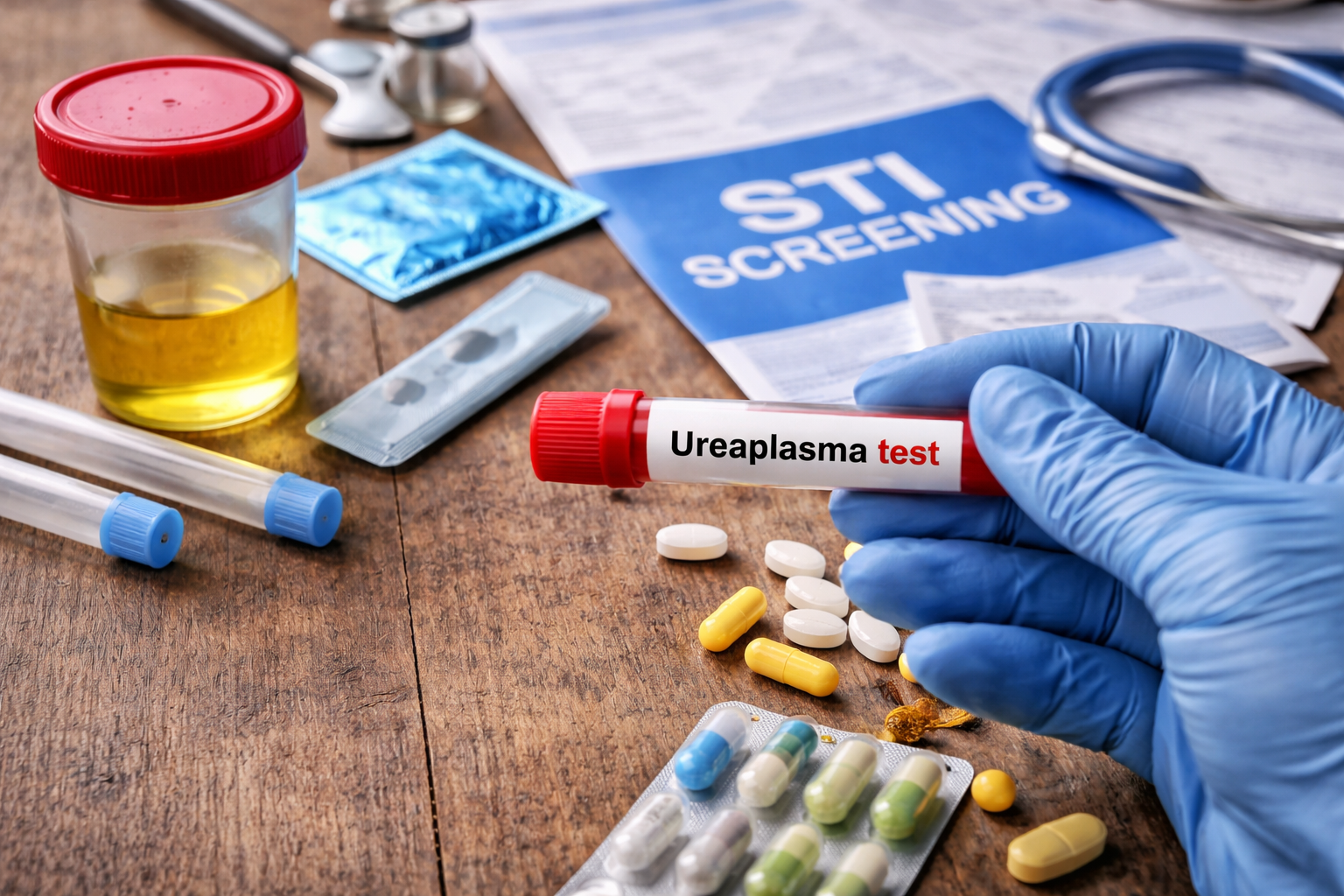
If you searched for ureaplasma, there’s a good chance you’re already stressed. Maybe a test came back positive. Maybe a partner mentioned it. Maybe you’ve been dealing with burning, discharge, pelvic discomfort, or a string of symptoms that never seem to fit neatly into one box. And then you find online posts that swing between two extremes: “It’s nothing, ignore it,” or “It explains everything.” Neither version is that helpful.
The truth is a little less dramatic and a lot more useful. Ureaplasma is a group of very small bacteria that can live in the urogenital tract. Many people who have it have no symptoms at all. That matters. A lot. Because a positive test does not automatically mean you have a clear infection that must be treated right away, and it definitely does not mean every symptom you’ve had for six months suddenly has one magic explanation.
At the same time, it is not nonsense. Ureaplasma can matter in some settings. It can be part of the picture in some symptomatic people. It can show up in discussions around persistent urethritis, some pregnancy concerns, neonatal complications, and certain tricky clinical situations. That’s why clinicians don’t treat the topic like a joke. They just also don’t treat every positive result like a five-alarm fire.
And honestly, that middle ground is what makes ureaplasma such a confusing search term. It sits right in that frustrating zone where something can be common, sometimes harmless, sometimes relevant, and very easy to overread. So the useful question is not “Is ureaplasma real?” It is “When does it actually matter?”
That’s what this guide is for. It explains what ureaplasma is, why a positive test can be misleading without context, what symptoms can overlap with it, when testing tends to be more or less helpful, and why pregnancy is the one area where the conversation gets more serious fast.
What ureaplasma actually is
Ureaplasma refers to bacteria in the Mollicutes group, with the two names most people run into being Ureaplasma parvum and Ureaplasma urealyticum. They can live in the genital tract and sometimes in the urinary tract. They are tiny, medically interesting, and much more common than many people realize.
That commonness is not a side note. It is the whole reason the topic gets messy. If a germ is rare, a positive result often feels easier to interpret. If a germ is common, interpretation gets harder. Is it the reason you feel bad? Is it just there? Is it one piece of a bigger puzzle? With ureaplasma, those are real questions, not nitpicking.
And this is where internet advice often goes off the rails. People talk about ureaplasma as if it behaves like chlamydia or gonorrhea, where a positive test has a cleaner meaning and a clearer public-health script. Ureaplasma is not that tidy. It may be present in people with no symptoms. It may also show up in people who do have symptoms, without proving it is the only reason those symptoms exist.
So if you want the shortest honest summary, it is this: ureaplasma is real, common, sometimes relevant, and context-heavy.
- It can be found in people with no symptoms
- A positive result does not automatically equal disease
- Symptoms and exam findings matter more than panic
- Pregnancy and newborn questions are a different conversation from routine adult screening
Why a positive test can feel bigger than it is
A lot of people first hear about ureaplasma after a long, frustrating workup. Maybe they’ve been treated for yeast, BV, or a urinary issue. Maybe STI tests were negative. Then a multiplex PCR panel finally throws out “Ureaplasma spp.” and it feels like the answer just dropped out of the sky. That emotional reaction makes sense. After uncertainty, any answer can feel powerful.
But there’s a catch. A positive result can mean colonization, not necessarily a clear-cut infection that needs treatment on its own. That’s not a trick. It’s just how this organism behaves in real life. It can live there without causing major trouble.
This does not mean your symptoms are imaginary. It means the result needs interpretation, not automatic storytelling.
Here’s a more grounded way to think about it:
| Situation | What a positive ureaplasma result may mean | Why context matters |
|---|---|---|
| No symptoms at all | Colonization may be more likely than active disease | Routine treatment is often not the default in asymptomatic people |
| Burning, discharge, urethral irritation | It may be part of the picture in some cases | Other causes still need to be ruled out first |
| Persistent symptoms after negative standard STI tests | The result may become more clinically interesting | Interpretation depends on syndrome, sex, pregnancy, and exam findings |
| Pregnancy or neonatal concerns | The conversation becomes more cautious | Pregnancy evidence is more nuanced and higher stakes |
That table is really the whole emotional reset. A positive test is not meaningless. It is just not self-explanatory.
What symptoms people usually worry about
When ureaplasma gets discussed in symptomatic adults, it is usually in the orbit of urethritis or genital-tract irritation. In men or people with a penis, that often means burning with urination, urethral discomfort, or discharge. In women or people with a cervix, the picture is murkier because symptoms like discharge, irritation, odor, spotting, or pelvic discomfort overlap with a long list of other conditions that are far more common and better established.
That overlap is exactly why self-diagnosis goes sideways. A person with burning and discharge may think “ureaplasma” after one search, but the better clinical move is to think in layers: chlamydia, gonorrhea, trichomonas, BV, yeast, herpes, urinary causes, irritation, pelvic infection, and yes, maybe ureaplasma somewhere in the wider differential depending on the case.
Symptoms that tend to bring people into this conversation include:
- Burning or pain with urination
- Urethral irritation
- Discharge
- Persistent genital discomfort after other tests are negative
- Symptoms that keep returning after incomplete answers
But here’s the nuance again. Those symptoms are not a ureaplasma signature. They are shared territory. So the presence of symptoms makes the conversation more relevant, but it does not make the diagnosis obvious.
When testing may help, and when it usually doesn’t
This is the question a lot of people actually need answered. Should you test for ureaplasma just because you are curious, just because a partner tested positive, or just because you want every possible swab on earth done at once?
Usually, no.
Routine testing of asymptomatic adults is not generally recommended. That’s the part online clinics and forums often blur. The more sensible use of testing is in selected people with persistent symptoms, especially after more established infections and obvious causes have been addressed.
That means the best time to think about ureaplasma testing is often not at the beginning of a workup, but after the first, cleaner explanations have been handled. It’s more of a “this still isn’t making sense” test than a universal first-line test in most routine adult cases.
When testing is more likely to be worth discussing:
- Persistent urethral symptoms after more common causes were ruled out
- Chronic or recurrent symptoms where standard STI panels were negative
- Pregnancy or newborn situations where a specialist is already involved
- Complex fertility, recurrent-loss, or recurrent-infection workups where a clinician thinks the result would change management
When testing is often less useful:
- No symptoms at all
- A random screen with no clear reason
- Using a positive result as a shortcut past a full STI or gynecologic evaluation
- Retesting again and again after symptoms are gone just to chase reassurance
And this is where the anxiety loop can get rough. Once people learn the name, they sometimes keep testing for it over and over, hoping for a perfect “negative forever” finish line. Medicine does not always work that way, especially with organisms that can colonize people without clear disease.
How treatment decisions usually work
Treatment is where people understandably want a simple answer. What antibiotic? How long? Should both partners take it? Should you retest? But this is one of those cases where the best answer really is “it depends,” and for once that is not a cop-out.
If a clinician believes ureaplasma is contributing to a symptomatic infection, antibiotics may be used. Which antibiotic makes sense depends on the syndrome, pregnancy status, medication history, local resistance patterns, other infections being considered, and whether the patient actually has symptoms that line up with treatment in the first place.
That’s why self-treating from internet comments is such a mess. One person’s situation may involve persistent non-gonococcal urethritis. Another may be pregnant. Another may simply be colonized and not need treatment at all. Same organism name, different clinical picture.
Here’s the safer mental model:
| Question | Safer answer |
|---|---|
| Do all positive tests need antibiotics? | No. Symptoms and context matter. |
| Can one internet treatment plan fit everyone? | No. Pregnancy, sex, symptoms, and other STI results change the plan. |
| Should partners always be treated automatically? | Not in every scenario; that depends on symptoms, diagnosis, and clinician guidance. |
| Is repeat testing always useful after treatment? | Not always. It depends on the clinical reason for treating and whether symptoms persist. |
It’s not a flashy answer. It’s the one that causes fewer problems.
Pregnancy is where the conversation gets more serious
If you are pregnant, trying to get pregnant, or dealing with preterm-birth anxiety, ureaplasma content online can get scary fast. And there is a reason for that. This is the one setting where clinicians pay closer attention to the organism, because research has linked ureaplasma to some adverse pregnancy and neonatal outcomes.
But even here, the story is not simple enough for a one-line rule. The evidence is real, yet management is still nuanced. Colonization is common. Not every positive result predicts a bad outcome. And studies have not neatly settled the question of whether treating vaginal colonization early in pregnancy clearly improves outcomes for everyone.
So the practical takeaway is not “pregnant equals panic.” It is “pregnant equals ask your OB or maternal-fetal medicine team, not a random forum.”
This is especially true if any of these apply:
- You are pregnant and symptomatic
- You have a history of preterm birth or preterm rupture of membranes
- You were told ureaplasma showed up in a fertility or pregnancy workup
- Your baby’s care team raised the issue in a neonatal setting
That is a more careful, more clinical lane. It deserves real medical guidance, not panic posts and not total dismissal either.
What about fertility, chronic symptoms, and the internet rabbit hole?
This is where a lot of people get stuck. They have chronic symptoms, fertility worries, recurrent losses, or months of “everything keeps coming back normal.” Ureaplasma becomes attractive because it feels like an answer that other doctors missed.
Sometimes that instinct is understandable. Medicine does miss things. Persistent symptoms are real. But it’s still important not to turn ureaplasma into a universal explanation for every reproductive-health struggle. The evidence around fertility and long-term symptoms is not clean enough for that.
That doesn’t mean the concern is silly. It means the path forward should be thoughtful. If symptoms persist, the next right step is usually a good gynecologic, urologic, or sexual-health evaluation that looks at the whole picture: STI testing, BV, yeast, vulvar pain conditions, pelvic floor issues, urinary syndromes, skin conditions, irritation, partner timing, and yes, maybe targeted ureaplasma testing if the clinician thinks it changes management.
That kind of visit may feel less satisfying than finding a single villain name online. It is also more likely to help.
When to get checked sooner rather than later
Most ureaplasma questions do not require an ER visit. But some sexual-health or urinary symptoms absolutely deserve prompt care, and it would be a mistake to get distracted by one organism name and miss the bigger issue.
- Fever with pelvic pain
- Severe testicular pain or swelling
- Pregnancy with bleeding, pain, fever, or unusual discharge
- New STI exposure plus symptoms
- Persistent symptoms after treatment for a diagnosed STI
That is not ureaplasma drama. That is just good medical common sense.
FAQ
What is ureaplasma?
Ureaplasma is a group of very small bacteria that can live in the urogenital tract. Two names people often see are Ureaplasma parvum and Ureaplasma urealyticum.
Is ureaplasma an STI?
It can be sexually transmitted, but the topic is messier than classic STIs like chlamydia or gonorrhea because ureaplasma can also be present in people without symptoms.
Does a positive ureaplasma test mean I definitely need treatment?
No. A positive result does not automatically mean active disease. Symptoms, pregnancy status, exam findings, and other test results matter.
Can ureaplasma cause symptoms?
It may be relevant in some symptomatic people, especially around persistent urethral symptoms, but it is not a clean one-bug explanation for every case of burning, discharge, or pelvic discomfort.
Should asymptomatic people be routinely tested for ureaplasma?
Usually no. Routine testing of asymptomatic adults is generally not recommended.
Why does pregnancy make ureaplasma more complicated?
Because research has linked ureaplasma to some adverse pregnancy and neonatal outcomes, even though the best approach to routine screening and treatment of colonization is still not simple.
Should my partner be treated if I test positive?
Not always automatically. That decision depends on symptoms, the clinical scenario, and what your treating clinician thinks is actually driving the problem.
Conclusion
Ureaplasma is one of those topics that gets bigger online than it looks in clinic. Not because it is fake. Because it is common, context-heavy, and easy to misunderstand. A positive test can mean something. It can also mean less than people fear.
The useful takeaway is not “ignore it” and it is not “treat everyone.” It is this: symptoms matter, context matters, pregnancy changes the conversation, and a good evaluation beats panic every time. That may sound less satisfying than a one-word answer, but it is a lot closer to the truth.
If you are asymptomatic, a ureaplasma result often means less than the internet makes it sound. If you are symptomatic, especially with persistent urinary or genital symptoms, the result might be worth discussing as part of a larger workup. And if you are pregnant, this is one of those moments where specialist guidance matters far more than message-board certainty.
So yes, ureaplasma matters. Just not in the cartoon version of the story. It matters in the real one — the one where medicine asks what is actually happening, not just what name showed up on a lab report.





Leave a Reply