

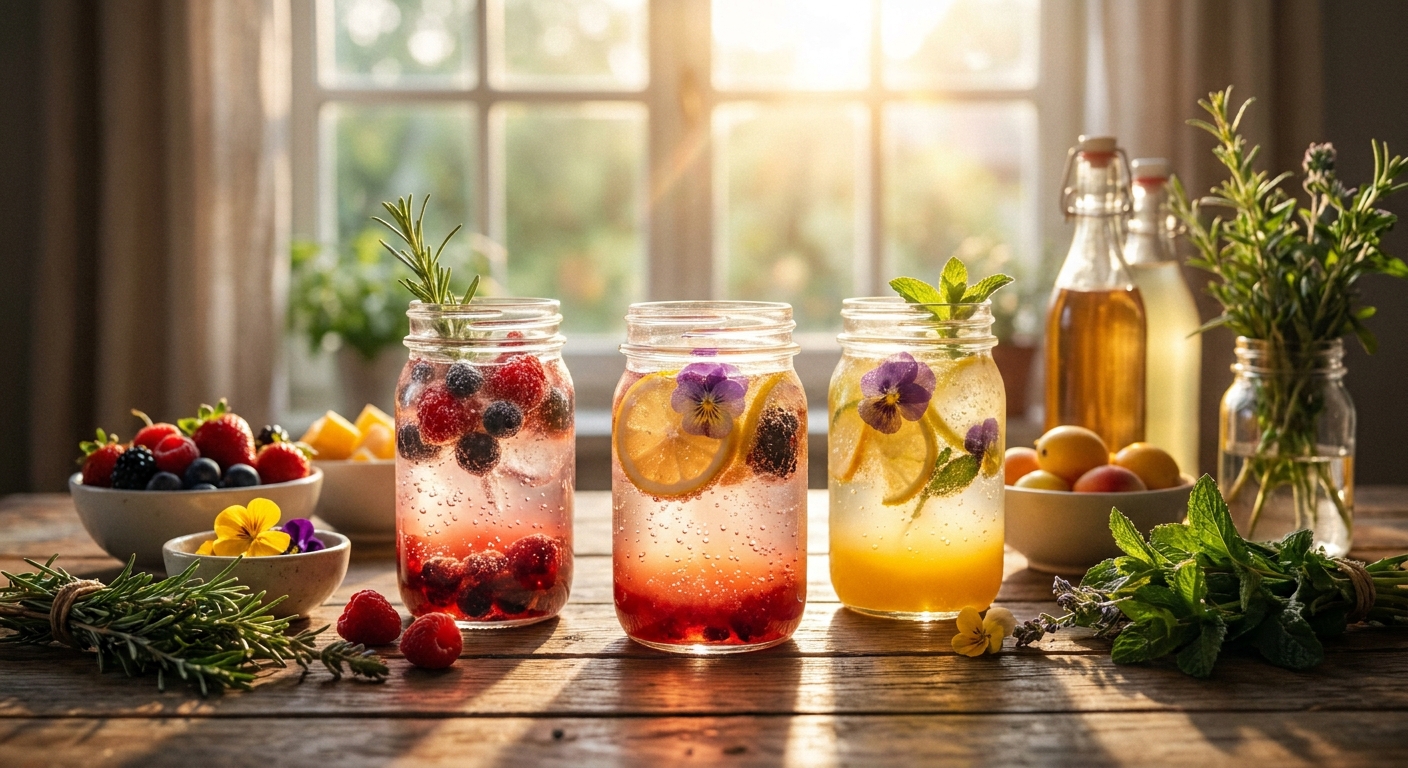
What is a Probiotic Drink Doing to Your Gut?
If you are standing in the grocery store asking yourself exactly what is a probiotic drink and why everyone on your feed is suddenly obsessed with them, you are definitely not alone. Honestly, it can be pretty confusing trying to navigate the endless rows of glowing bottles, fizzy liquids, and strange-sounding names like kombucha, kefir, and tepache. But here is the straightforward truth: a probiotic drink is simply a beverage packed with living, beneficial bacteria and yeasts that actively support your digestive system, boost your immune response, and keep your body’s internal ecosystem perfectly balanced.
Let me share a quick story that makes this super clear. A few years ago, during a brutally hot summer in Kyiv, my grandmother handed me an ice-cold jar of homemade traditional kvass. I was complaining about a sluggish stomach, and she laughed, claiming her fermented beet concoction was the ultimate gut healer long before any of these fancy, expensive bottles hit modern supermarket shelves. And you know what? She was absolutely right. Ukraine has a massive, rich history of utilizing wild fermentation, relying on the natural bacteria in the environment to preserve food and create drinks that make you feel incredible.
These beverages are not just trendy sodas; they are functional tools. By introducing live cultures directly into your digestive tract, you are essentially sending reinforcements to the good bacteria that already live inside you, helping them fight off the bad guys and digest your food more efficiently. Trust me, once you understand how this works, your grocery trips will never be the same.
The Core Benefits: Why You Need Fermented Liquids
To truly grasp the power of these beverages, we need to talk about what they actually do inside your stomach. The value proposition here is massive: bio-availability. When you consume beneficial bacteria in liquid form, your body absorbs the nutrients, organic acids, and microbial goodness much faster and more efficiently than taking a dry, chalky pill. Liquid fermentation creates an acidic environment that actually helps the bacteria survive the harsh journey through your stomach acid.
Here are two concrete examples of how this value plays out in real life. Example 1: Think about post-workout recovery. Instead of a standard sports drink loaded with artificial colors, a coconut water kefir provides natural electrolytes alongside lactic acid bacteria, which helps reduce inflammation and settle the stomach. Example 2: Immune support during cold season. Drinking a daily shot of ginger kombucha gives you the synergy of raw, antiviral ginger combined with living probiotics, creating a highly effective shield against common seasonal bugs.
| Drink Type | Key Bacteria Strains | Primary Health Benefit |
|---|---|---|
| Kombucha | Acetobacter, Saccharomyces | Detoxification & Joint Health |
| Milk Kefir | Lactobacillus, Bifidobacterium | Bone Density & Digestion |
| Beet Kvass | Lactobacillus plantarum | Liver Support & Blood Cleansing |
| Tepache | Wild Pineapple Yeasts | Anti-inflammatory & Hydration |
So, how do you actually pick the right one for your body? It is easier than you think if you follow these basic steps:
- Check the sugar content carefully. The bacteria need sugar to ferment, but a quality drink should have very little residual sugar left over. Aim for under 5 grams per serving.
- Look for the word ‘raw’ or ‘unpasteurized’. If a fermented drink has been heavily pasteurized, all the amazing beneficial bacteria have been killed off by heat, defeating the whole purpose.
- Verify the cloudiness. A good, authentic fermented beverage should look slightly cloudy and might even have little floating bits (the ‘mother’ culture) at the bottom. That is the sign of true life!
Origins of Fermentation
The story of how we learned to drink bacteria is absolutely fascinating. Thousands of years ago, human beings didn’t have refrigerators. If you had extra milk, fruit, or vegetables, you had to find a way to keep them from rotting. Ancient communities discovered that if they left certain liquids in specific conditions, they didn’t spoil; they transformed. In the Caucasus Mountains, nomadic shepherds realized that milk stored in leather pouches would turn into a thick, tangy, effervescent drink that gave them incredible energy and longevity. This was the birth of kefir. Similarly, in ancient China, they were brewing what they called the ‘Tea of Immortality,’ which we now know as kombucha. They weren’t doing this for targeted gut health; they were doing it strictly for survival, preservation, and safe hydration.
Evolution Across Cultures
As civilizations grew, so did the complexity of their brews. Every culture around the world developed its own signature fermented drink based on whatever ingredients were locally available. In Eastern Europe and Ukraine, stale rye bread and beets were transformed into sour, refreshing kvass. In Mexico, pineapple rinds were thrown into wooden barrels with brown sugar and spices to create mildly alcoholic, highly probiotic tepache. In Japan, they fermented rice to make specific types of sake and amazake. What started as a basic preservation tactic slowly became deeply embedded in traditional medicine. Grandmothers and village healers knew these tangy liquids settled upset stomachs, cured hangovers, and restored vitality after long illnesses, even if they didn’t know the microscopic science behind it.
Modern State of Gut Health
Fast forward to the year 2026, and the landscape has completely shifted. We are no longer relying on accidental wild fermentation in wooden barrels; we are living in the era of precision gut science. Supermarket coolers are now dominated by highly controlled, scientifically formulated beverages. However, this commercialization has a dark side. Many mainstream brands are mass-producing drinks that mimic the taste of fermentation but lack the actual living colonies, pumping them full of artificial sweeteners instead. That is why understanding the true nature of these liquids is more critical now than ever. We are finally circling back to those ancient roots, demanding real, raw, living foods to counteract the highly processed diets that dominate our modern plates.
The Microbiome Matrix
To really appreciate these beverages, we need to talk about the science of the microbiome matrix. Your gut is basically a bustling microscopic metropolis containing trillions of microorganisms. These little guys do everything from breaking down complex carbohydrates to producing essential neurotransmitters like serotonin. Yes, the chemicals that make you feel happy are largely manufactured in your stomach! This connection is known as the gut-brain axis. When your microbiome is out of balance—often caused by stress, antibiotics, or highly processed foods—bad bacteria take over, leading to bloating, brain fog, and chronic fatigue. Drinking a fermented beverage introduces a massive wave of good cops into the city, crowding out the bad guys and restoring peace, order, and efficient digestion to the environment.
Bacterial Strains Explained Simply
You don’t need a PhD in microbiology to understand what you are drinking, but knowing a few technical terms gives you a massive advantage when reading labels. Let’s break down the scientific facts:
- Lactobacillus: This is the most common friendly bacteria found in kefir and fermented veggies. It creates lactic acid, which drops the pH of your stomach, making it an incredibly hostile environment for dangerous pathogens.
- Bifidobacterium: Usually hanging out in your large intestine, this strain is famous for breaking down complex fiber that you can’t digest on your own, turning it into short-chain fatty acids that reduce systemic inflammation.
- Saccharomyces boulardii: This is actually a beneficial yeast, not a bacterium, commonly found in authentic kombucha. It is incredibly tough, easily surviving stomach acid, and is famous for fighting off traveler’s diarrhea.
- CFU (Colony Forming Units): You will see this acronym on labels. It simply tells you exactly how many billions of living microorganisms are swimming in the bottle at the time it was manufactured.
Day 1: Start Small with Water Kefir
If you have never touched fermented drinks before, jumping straight into intense, sour brews might shock your system. Start your journey with water kefir. It is light, mildly sweet, and incredibly gentle on a sensitive stomach. Drink just four ounces in the morning. This introduces a modest, manageable amount of friendly bacteria to begin waking up your digestive tract without causing any uncomfortable bloating.
Day 2: Introduce Mild Kombucha
On the second day, grab a bottle of mild, commercially prepared kombucha. Look for flavors like ginger or peach, which are highly palatable. Kombucha brings a different set of yeast and bacteria to the party, specifically ones that help support liver function. Drink half a bottle with your lunch to aid in breaking down your midday meal.
Day 3: Try Traditional Dairy Kefir
Now we are bringing out the heavy hitters. Dairy kefir has significantly more diverse strains of bacteria than regular yogurt. The fermentation process actually consumes most of the lactose, making it easier to digest even if you are mildly lactose sensitive. Have a small glass of plain, unsweetened kefir as a late afternoon snack to keep your blood sugar perfectly stable.
Day 4: Experiment with Beet Kvass
It is time to embrace the earthy, savory side of gut health. Beet kvass is deeply traditional and incredibly powerful for blood cleansing and liver support. It tastes earthy, salty, and sour. Take this like a health shot—just two or three ounces in the morning. It might taste strange at first, but your body will quickly crave the intense mineral boost.
Day 5: Mix in Apple Cider Vinegar Tonics
While technically a vinegar, raw, unpasteurized apple cider vinegar with the ‘mother’ operates very similarly to other fermented drinks. Mix one tablespoon of ACV into a large glass of water with a pinch of sea salt. Drink this about twenty minutes before your heaviest meal to naturally spike your stomach acid and improve protein digestion.
Day 6: Explore Tepache
Let’s have some fun. Tepache is a traditional Mexican drink made from fermented pineapple skins. It is incredibly refreshing, loaded with bromelain (an enzyme that fights inflammation), and has a wonderful, natural tropical fizz. You can often find this at local health food stores or easily brew it yourself in a few days. Drink it over ice as a fantastic evening treat.
Day 7: Build Your Routine
By day seven, your gut microbiome has been introduced to a massive variety of beneficial strains. Now, it is about listening to your body. Did the dairy kefir make you feel energized? Did the kombucha help your afternoon slump? Pick the two drinks you enjoyed the most and make them a permanent, rotating part of your weekly grocery list.
Myths vs. Reality
Myth: All bacteria are dangerous and must be eliminated.
Reality: We are literally made of bacteria! Without the trillions of friendly microbes living inside our bodies, our immune system would entirely collapse and we wouldn’t be able to absorb nutrients from our food.
Myth: Fermented drinks are just fancy, sugary sodas.
Reality: While they require sugar to start the brewing process, the live cultures actually ‘eat’ the vast majority of that sugar during fermentation, leaving behind beneficial organic acids and only trace amounts of sweetness.
Myth: You will feel the magical effects immediately after one sip.
Reality: Rebuilding a damaged microbiome takes time and consistency. You might notice better digestion within a few days, but deep systemic benefits like clearer skin and better immunity usually take a few weeks of daily consumption.
Myth: More is always better.
Reality: Chugging massive amounts of unfamiliar bacteria can cause rapid die-off of bad yeast, leading to temporary bloating and gas. Always start slow.
Can I drink them daily?
Absolutely. Daily consumption is actually highly recommended to keep a steady flow of good bacteria entering your digestive system.
Do they need to be refrigerated?
Yes. Genuine, raw, living fermented drinks must be kept cold. If left at room temperature, they will continue to ferment, becoming overly acidic or even exploding from built-up carbonation.
Are they safe for kids?
Most mild options like water kefir are totally safe for kids in small amounts. However, traditional kombucha contains trace amounts of naturally occurring alcohol, so use your best judgment.
What is the best time to drink them?
Many people prefer drinking them first thing in the morning on an empty stomach, or about twenty minutes before a large meal to heavily prime their digestive enzymes.
Do they replace probiotic supplements?
They can! Real food sources often provide better bio-availability than standard pills, but if you have a severe clinical deficiency, consult a doctor about combining both approaches.
Will they cure an upset stomach?
They are fantastic for long-term resilience and minor indigestion, but they are not a quick-fix medicine for acute food poisoning or severe stomach bugs.
Can I make them at home?
Definitely. Making your own kombucha, kefir, or kvass at home is incredibly cheap, surprisingly easy, and yields a much stronger, more vibrant product than what you buy in the store.
The Final Word on Fermentation
We’ve covered a massive amount of ground, from the scientific strains fighting battles in your gut to ancient shepherds brewing kefir in the mountains. If you want a stronger immune system, stable energy, and smooth digestion, these living liquids are your best friends. Stop staring at the coolers and start drinking them today!





Leave a Reply