

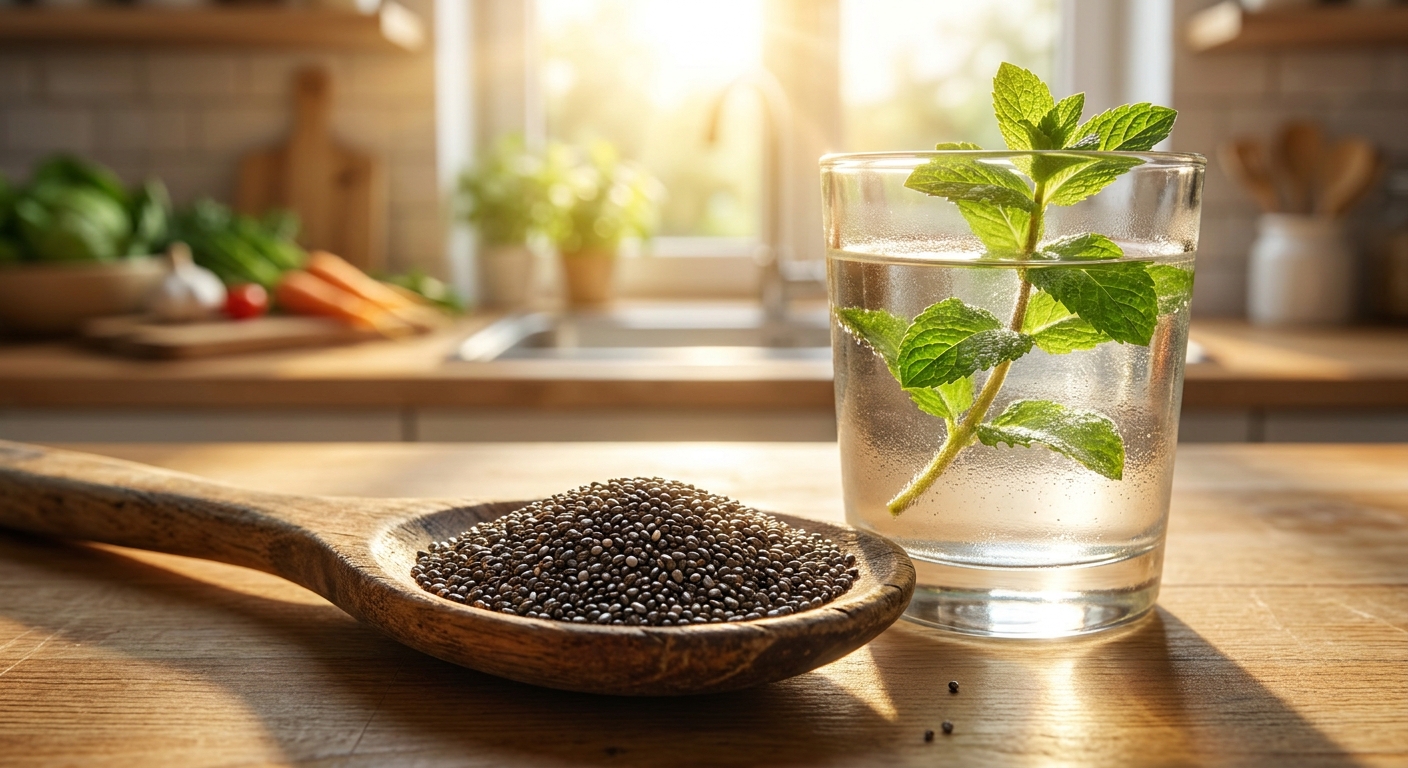
So, Do Chia Seeds Make You Poop?
If you are staring at your breakfast bowl asking do chia seeds make you poop, you are definitely not alone in this bathroom-bound curiosity. Let me tell you right away: yes, they absolutely do, and they do it with remarkable efficiency. Listen, we have all been there, struggling with sluggish digestion and desperately searching for a natural solution that actually works without causing painful cramps. My personal fascination with gut health started back home in Ukraine, right in the heart of Kyiv. My grandmother, who spent her whole life relying on local flaxseed remedies and fermented kefir for digestion, was extremely skeptical when I brought home a bag of these tiny, exotic black seeds. She laughed and called them ‘expensive sand.’ But after I convinced her to try a small soaked spoonful in her morning water, she became a total convert within forty-eight hours, raving about how incredibly light and energized she felt.
The fundamental thesis here is simple but undeniable: these ancient seeds pack a massive, unmatched fiber punch that fundamentally alters your digestive transit time, effectively making you a regular, happy visitor to the toilet. But why exactly does this happen? What is the biological mechanism that turns a dry little seed into a gastrointestinal superhero? As we navigate our way through 2026, where optimizing digestive wellness is practically a daily lifestyle religion, understanding the precise mechanics of what you are putting into your body is critical. Together, we are going to break down exactly what happens in your digestive tract when you swallow a spoonful of this superfood, why the slippery substance they form is basically a gentle broom for your intestines, and how you can harness this natural power immediately.
The Mechanics of Digestion: Why These Seeds Work
To fully grasp how these seeds operate inside your stomach, we need to look closely at their unique nutritional profile, specifically their mind-blowing fiber content. They are loaded with a precise balance of two critical types of fiber: soluble and insoluble. Soluble fiber absorbs heavy amounts of water, creating a thick, gel-like consistency that massively softens your stool. Insoluble fiber, on the other hand, does not dissolve; instead, it adds necessary bulk, acting like a gentle push that moves the waste through your colon like a high-speed train on a perfectly greased track.
This dual-action mechanism is exactly why you experience such rapid and predictable relief from constipation. The value proposition here is absolutely immense. For example, if you struggle with chronic irregularity due to a sedentary office job, a simple daily pudding can entirely replace harsh, chemical laxatives that leave you feeling depleted. As another example, if you are traveling across time zones and experiencing dreaded ‘vacation constipation,’ a quick shot of these hydrated seeds in a glass of lemon water can reset your entire biological system in mere hours.
| Superfood Seed | Fiber Profile (per ounce) | Primary Gut Impact |
|---|---|---|
| Chia | 9.8 grams (Soluble/Insoluble mix) | Forms heavy mucilage gel, massively softens stool |
| Flaxseed | 8.0 grams (Mostly insoluble) | Adds bulk, speeds up transit time, requires grinding |
| Hemp Hearts | 1.2 grams (Low fiber) | Soothes tract with high omega fats, minimal laxative effect |
| Pumpkin Seeds | 1.7 grams (High roughage) | Acts as a physical roughage broom for the lower intestines |
To get the absolute best results, you cannot just eat them randomly. You need a strategy. Here are the cardinal rules you must follow:
- Hydration is completely non-negotiable: If you eat them dry, they will aggressively absorb water directly from your gut lining, causing severe, painful constipation. Always soak them first until they swell.
- Start with microscopic doses: Begin with just one single teaspoon daily. Jumping straight to three tablespoons will leave you painfully bloated and gassy because your gut bacteria cannot handle the sudden fiber overload.
- Morning timing is everything: Consuming them first thing in the morning on a completely empty stomach triggers the gastrocolic reflex much faster, signaling your bowels that it is time to move.
- Temperature matters: Mixing them with slightly warm water rather than ice-cold water helps relax the smooth muscles of your digestive tract, promoting faster evacuation.
Origins in the Ancient World
Long before health influencers started meticulously blending them into pastel-colored aesthetic smoothies, these seeds were a rugged, foundational survival staple for the mighty Aztecs and Mayans. The word ‘chia’ actually translates directly to ‘strength’ in the ancient Mayan language. Elite warriors and messengers would consume just a single tablespoon of these seeds to sustain themselves during grueling, multi-day marches across harsh terrains. They recognized very early on that the seeds provided incredibly sustained energy and, crucially, kept their internal digestive systems functioning perfectly without needing large, heavy meals that would slow them down in the heat of battle or during long hunts.
Evolution from Food to Ritual
As the centuries passed, the cultivation of this resilient crop expanded aggressively throughout Central America. It wasn’t just seen as a food source; it became deeply embedded in indigenous religious ceremonies. The Aztecs offered them by the basketful to their gods, recognizing the sheer life-giving properties of the plant. Unfortunately, when the Spanish conquistadors arrived and sought to crush indigenous culture, they completely banned the cultivation of the plant because of its strong association with native religious practices. For hundreds of years, the crop survived only in small, isolated patches hidden high in the remote mountains of Mexico and Guatemala, secretly preserved by families who diligently passed down the knowledge of its medicinal and digestive benefits from generation to generation.
The Modern State of Superfoods
Fast forward to today, and the global demand has absolutely exploded beyond anyone’s wildest expectations. The agricultural infrastructure supporting this crop has grown into a highly sophisticated, multi-billion dollar global industry. We now see them grown commercially in massive, sun-drenched fields in Australia, South America, and even parts of the United States. Modern agronomy has heavily optimized the harvesting process, ensuring that the seeds retain their absolute peak omega-3 and fiber content from the field to your pantry. They have transitioned from a nearly forgotten ancient grain to an absolute necessity in our modern kitchens, primarily because people are desperately seeking organic, natural solutions to combat the painful digestive stagnation caused by highly processed, fiber-deficient modern diets.
The Science of Soluble Fiber and Gut Microbiota
Mucilage Production Explained
When you drop these tiny seeds into a glass of water, you will notice a thick, translucent halo forming around them within mere minutes. This fascinating substance is called mucilage. Mucilage is a highly complex carbohydrate, specifically an exopolysaccharide, which has an incredible, almost magnetic capacity to bind with water molecules. In simple terms, it acts exactly like a biological sponge. When this thick gel enters your stomach and pushes into your intestines, it does a few remarkable things. First, it prevents your digestive enzymes from breaking down carbohydrates too fast, stabilizing your blood sugar. More importantly for your bathroom habits, this mucilage physically traps moisture inside your colon. Instead of hard, dry stools that are agonizing to pass, the mucilage ensures absolutely everything remains completely soft, plump, and thoroughly lubricated, facilitating a fast and smooth exit.
Short-Chain Fatty Acids and Colon Health
Beyond just the physical sweeping motion of the gel, there is a wildly complex chemical reaction happening deep in your large intestine. The trillions of bacteria living in your gut actively ferment the dietary fiber found in the seeds. This fermentation process produces highly beneficial short-chain fatty acids (SCFAs) like butyrate, propionate, and acetate. Butyrate, in particular, is the absolute primary energy source for your delicate colon cells. It drastically reduces internal inflammation and actively stimulates peristalsis—the involuntary, rhythmic muscle contractions that push waste down and out of your body. Let’s look at the hard biological facts:
- Hydrophilic properties: A single tiny seed can rapidly absorb up to twelve times its own weight in liquid, making it one of nature’s absolute most potent hydrating agents for your bowels.
- Omega-3 to Omega-6 ratio: They contain a biologically optimal 3:1 ratio of these essential fatty acids, which actively works to cool down and reduce chronic intestinal inflammation.
- Prebiotic function: The specific type of insoluble fiber acts as premium food for Bifidobacteria, massively increasing their beneficial population in your gut microbiome.
- Transit time acceleration: Clinical studies consistently show that regular consumption can safely reduce gastric emptying time by up to thirty percent, directly alleviating stubborn chronic constipation.
The 7-Day Digestion Reset Plan
Are you completely ready to test this out yourself? Here is a meticulously designed, step-by-step, 7-day protocol to safely and effectively introduce this superfood into your diet without overwhelming your system or causing excess gas.
Day 1: The Gentle Introduction
Start with exactly half a teaspoon soaked in eight ounces of room-temperature water for twenty full minutes. Stir it vigorously to prevent clumping. Drink this simple concoction first thing in the morning before you eat anything else. Your native gut bacteria need this gentle time to adjust to this powerful new prebiotic source.
Day 2: The Pudding Experiment
Increase the dose slightly to one full teaspoon. Mix it thoroughly with half a cup of unsweetened almond milk, a dash of real vanilla extract, and a tiny pinch of cinnamon. Leave it securely in the fridge overnight. Eat this small, delicious pudding as an afternoon snack to keep your digestion happily moving post-lunch.
Day 3: The Smoothie Integration
Now we step up the volume to one and a half teaspoons. Blend them aggressively into your morning green smoothie. The intense mechanical blending of the machine breaks down the tough outer shell slightly, making the interior nutrients and fats even more bioavailable to your intestinal walls.
Day 4: The Hydration Station
Two full teaspoons today. Mix them into a large, thirty-two-ounce water bottle with fresh squeezed lemon juice and a tiny pinch of pink sea salt. Sip this aggressively throughout your entire workday. The continuous, steady flow of fiber and heavy hydration is the ultimate trigger for a healthy afternoon bowel movement.
Day 5: The Oatmeal Upgrade
Two and a half teaspoons stirred vigorously into a warm bowl of morning oatmeal. The heat from the oats drastically speeds up the mucilage release. This warm, dense, fiber-rich meal is incredibly soothing for an irritated, inflamed digestive tract and promotes a massive feeling of satiety.
Day 6: The Salad Sprinkle
Three whole teaspoons (which equals one full tablespoon). Soak exactly half of them in your olive oil salad dressing (like a tangy vinaigrette) and sprinkle the dry rest squarely on top of your greens just minutes before eating. This provides a fantastic mix of gelled and slightly crunchy textures for maximum mechanical bowel stimulation.
Day 7: The Full Maintenance Dose
Congratulations, you have officially reached the ideal maintenance phase. Consume one to two full tablespoons daily, smartly split between your morning and evening meals. Your digestive transit should now be perfectly regular, totally predictable, entirely strain-free, and leaving you feeling incredibly light.
Busting Common Digestive Myths
There is a massive amount of wild misinformation floating out there on the internet about fiber and digestion. Let’s clear the air and set the record straight right now.
Myth: You can eat them completely dry straight from the bag by the spoonful.
Reality: Doing this is incredibly dangerous and highly discouraged by doctors. Dry seeds will aggressively pull moisture directly from your esophagus and intestines, potentially causing blockages, choking hazards, and severe constipation. Always hydrate them fully first.
Myth: Eating more fiber instantly and magically equals better digestion.
Reality: If you drastically increase your fiber intake without simultaneously doubling your water intake, you will literally create a dense, concrete-like mass in your colon. Heavy hydration is the absolute key to making the fiber work properly.
Myth: They only work if they are finely ground up into a powder.
Reality: Unlike tough flaxseeds, these do not absolutely need to be milled to be digested. Your stomach acid and body can easily break down the soaked whole seeds to fully extract the mucilage gel and omega nutrients.
Frequently Asked Questions
How fast do they work for constipation?
Usually, you will feel the effects within 12 to 24 hours, depending entirely on your baseline hydration levels and your resting metabolic rate. Drink more water to speed this up.
Can I eat them dry if I drink water immediately after?
It is still very risky. They can clump together in your throat before they even reach your stomach. Pre-soaking in a glass is always the safest and most effective method.
Do they cause painful gas?
Initially, yes, they might. The sudden influx of fermentable fiber ferments in the gut, causing temporary bloating. This is why following the 7-day gradual plan is absolutely critical.
Is this safe for young kids?
Absolutely, but in much smaller, heavily monitored doses. Usually, a quarter teaspoon mixed thoroughly into yogurt is a great starting point for children dealing with constipation.
What if I take prescription medication?
Because of the heavy gel they form, they can sometimes slow down the absorption of certain oral medications. Always space them out by at least two hours from your pills.
Can I eat them right before bed?
Yes, a small soaked portion eaten an hour before bed often leads to a fantastic, effortless morning bowel movement the moment you wake up.
Why is my stomach cramping after eating them?
You either ate way too much too soon, or you did not drink nearly enough water. Drop your dose back down to a half teaspoon and double your fluid intake instantly.
Does roasting destroy the fiber?
Heat does not destroy the fiber, but it can degrade the delicate omega-3 fatty acids. Raw and soaked is always biologically superior to roasted.
Final Thoughts
So, we have definitively and thoroughly answered the burning question. These magnificent, ancient little seeds are truly nature’s ultimate, gentle broom for your digestive system. If you want to permanently fix your frustrating bathroom routine, grab a bag from the store today, follow the soaking rules diligently, and watch your gut health absolutely thrive. Your stomach will thank you. Share this comprehensive guide with a friend or family member who desperately needs a gentle push in the right digestive direction!





Leave a Reply