

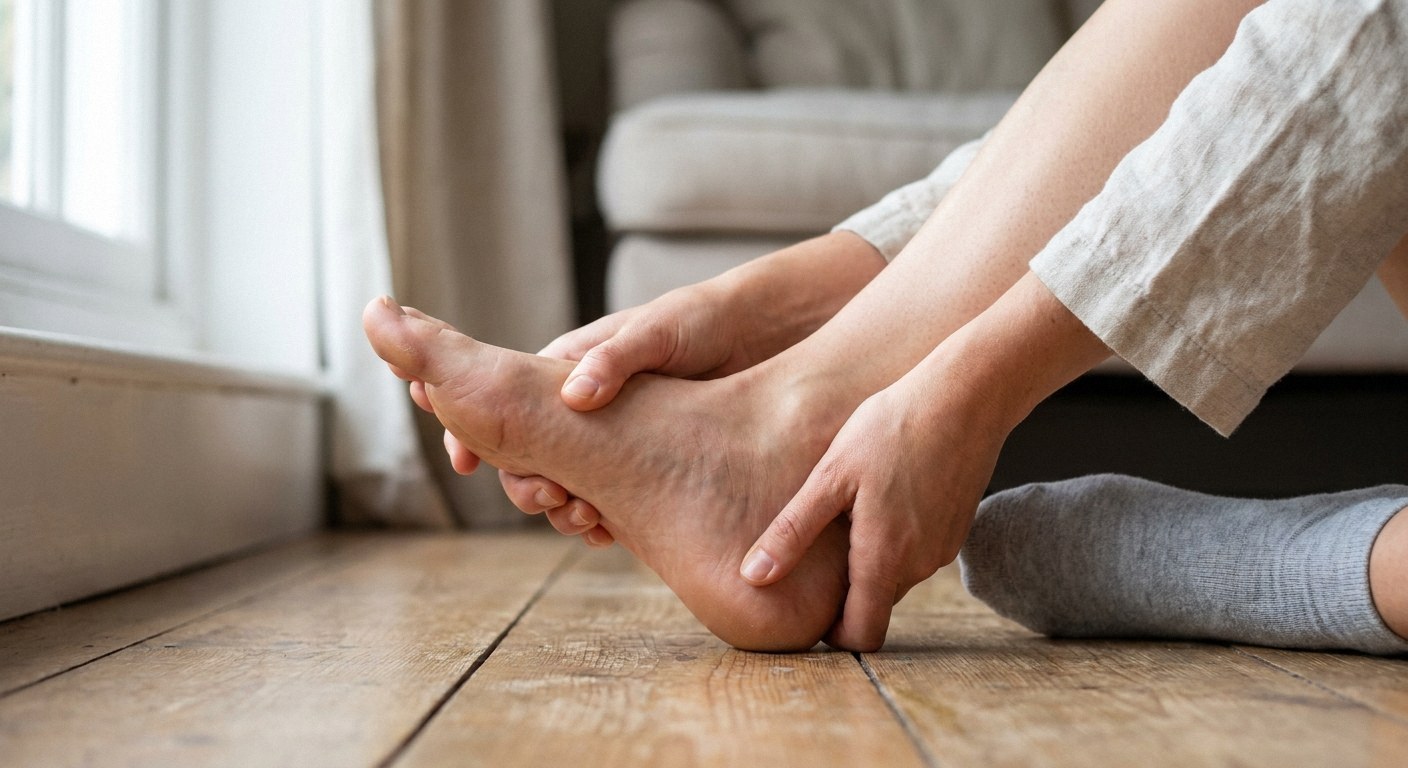
Discomfort in the toes can stem from a variety of sources, ranging from minor friction to underlying joint conditions. Identifying the exact location and nature of this toe pain is the first step toward finding meaningful relief. Proper care requires careful attention to the specific symptoms and their daily triggers.
Addressing Toe Pain and Its Frequent Triggers
Managing toe pain requires a clear understanding of daily habits and physical stresses placed on the feet. Whether the aching is sudden or develops gradually over weeks, the triggers often relate to repetitive strain or localized inflammation. Exploring these foundational causes provides a roadmap for targeted symptom management.
A careful assessment of daily habits often reveals the subtle mechanical stresses that cause persistent discomfort in the extremities.
Certain inflammatory conditions commonly target the small joints of the foot. Gout, for example, frequently presents as intense, sudden swelling and tenderness, particularly in the joint at the base of the big toe. Other forms of arthritis can also cause stiffness and aching that worsen with movement or specific weather changes. Identifying these systemic triggers can help individuals seek appropriate medical evaluations and adjust their lifestyles accordingly.

Injuries account for a significant portion of acute discomfort in the foot region. Stubbing a digit against furniture or dropping a heavy object on the foot can lead to bruising, sprains, or even fractures in the delicate bones. Rest, ice, and elevation usually form the foundation of immediate care for these unexpected physical impacts. Taking these early steps helps mitigate swelling and protects the area from further trauma.
Overuse syndromes present another frequent challenge for people who engage in repetitive physical activities. Long-distance running, dancing, or even walking extensively on hard surfaces can subject the forefoot to immense pressure. This constant pounding sometimes irritates the surrounding tendons and ligaments, leading to persistent soreness that requires structured rest periods. Allowing the tissues adequate time to recover remains essential for maintaining long-term foot health.
Structural Issues and Footwear Factors
The shoes a person wears play a pivotal role in the overall health of their feet and the alignment of their joints. Consistently forcing the foot into an unnatural shape can generate immense pressure across the small bones and soft tissues. Careful footwear selection remains one of the most effective preventative measures available.
The Impact of Poorly Fitting Shoes
Narrow toe boxes and high heels are notorious for forcing the front of the foot into cramped, restrictive spaces. This sustained compression limits natural movement, and the resulting friction often leads to localized irritation and skin breakdown.
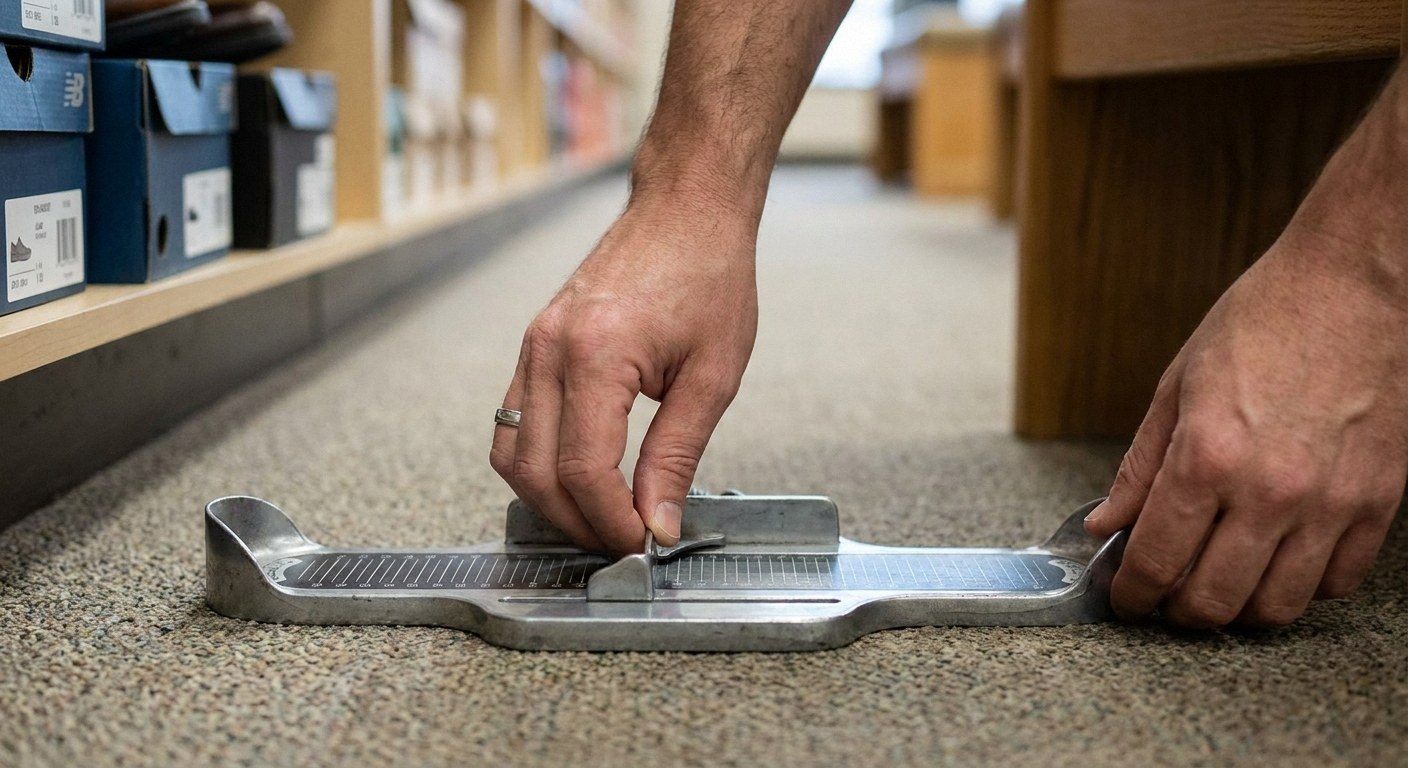
Over time, wearing constrictive footwear can fundamentally alter the natural mechanics of walking. The constant rubbing against tight materials frequently produces corns and calluses on the tops or sides of the affected digits. Choosing wider shoes with ample room for natural splay is a fundamental strategy for avoiding this specific type of mechanical stress. Finding the right fit allows the foot to function exactly as intended during each step.
Inadequate arch support further complicates matters by changing how weight is distributed across the front of the foot. When the arch collapses or lacks proper support, the smaller joints endure heavier, unbalanced loads. Inserting supportive insoles can sometimes redistribute this pressure and alleviate the resulting strain on the delicate structures. Many people notice significant improvements in comfort simply by upgrading the internal support of their daily footwear.
Bunions and Hammer Toes
Structural deformities develop slowly over time, often altering the physical appearance of the foot while generating significant discomfort. These changes typically require both lifestyle adjustments and specific supportive measures to manage effectively.
A bunion forms when the joint at the base of the big toe shifts out of alignment, creating a prominent bony bump on the inside edge of the foot. This structural shift forces the digit to lean toward the smaller toes, creating friction and localized swelling. Individuals dealing with this condition often struggle to find shoes that accommodate the newly widened shape of their foot.
Hammer toes involve a different mechanical issue where the middle joint of a smaller digit bends downward involuntarily. This abnormal curling often leads to painful rubbing against the top interior surface of a shoe, which can eventually cause severe blistering. Protective padding and specialized footwear modifications frequently serve as the first line of defense against this recurring friction.
Evaluating Symptom Patterns
Paying close attention to how and when the discomfort occurs provides valuable clues regarding its underlying origin. Noting whether the sensation is sharp, dull, throbbing, or accompanied by visible changes can guide individuals toward better management strategies. Keeping a symptom journal often reveals helpful patterns that might otherwise go unnoticed.
Recognizing the early warning signs of joint distress allows individuals to implement protective measures before minor aches become chronic barriers to movement.
Some types of irritation are closely linked to specific activities, such as running or standing for extended periods on concrete floors. When the aching subsides quickly with rest, it often indicates a mechanical strain rather than an underlying joint disease. Tracking these patterns over a few weeks helps build a clearer picture of the primary aggravating factors in a person’s routine. Modifying these routines can yield immediate improvements in overall foot comfort.
| Symptom Type | Common Characteristics | Potential Association |
|---|---|---|
| Sharp, acute sensation | Occurs immediately after physical impact | Sprains, fractures, or contusions |
| Redness and intense heat | Rapid onset, often happening overnight | Gout or localized joint inflammation |
| Persistent dull ache | Worsens after prolonged standing or walking | Mechanical stress or improper footwear |
Monitoring the progression of these symptoms is crucial for determining the necessity of professional intervention. If the affected area becomes increasingly discolored, numb, or severely swollen, these signs suggest a more complex issue requiring specialized attention. Consulting a healthcare provider ensures a proper diagnosis and the development of an effective, tailored care plan. Delaying this assessment can sometimes allow minor issues to develop into chronic mobility challenges.
FAQ
Finding clear answers about foot discomfort helps individuals make informed decisions regarding their daily care routines. The following questions address some of the most common concerns related to identifying and managing this specific type of irritation. Reviewing these fundamentals can clarify when to attempt home care and when to seek professional advice.
What should I do immediately after stubbing my toe?
The immediate response should involve resting the foot and applying a cold compress wrapped in a cloth to minimize initial swelling. Elevating the affected leg can also help reduce throbbing sensations and prevent excess fluid from accumulating in the injured area.
How can I tell if my shoes are causing my discomfort?
If the aching primarily occurs during or immediately after wearing a specific pair of shoes, footwear is a highly probable culprit. Additionally, noticing corns, blisters, or a visibly cramped feeling in the forefoot suggests that the shoes lack adequate space.
When is it necessary to see a doctor for foot discomfort?
Professional medical evaluation is advisable if the discomfort prevents bearing weight or walking with a normal, balanced stride. Severe swelling, visible deformity, or symptoms that persist for more than a few days without improvement also warrant a consultation with a healthcare provider.
Can changes in weather affect joint comfort in the feet?
Shifts in barometric pressure and ambient temperature can influence the fluid inside the joints, sometimes increasing stiffness. Individuals with underlying joint conditions often notice increased aching in their extremities during cold, damp, or rapidly changing weather patterns.
Are there specific exercises to help relieve foot tension?
Gentle stretching routines, such as picking up small objects with the feet or rolling a tennis ball under the arch, can improve flexibility. These movements help maintain a healthy range of motion and reduce overall stiffness in the muscles supporting the front of the foot.
How can I prevent calluses from forming on my feet?
Calluses generally develop in response to repeated friction and pressure from tight shoes or abnormal walking patterns. Wearing well-fitted footwear with a wide toe box and applying protective friction pads can significantly reduce their formation over time.





Leave a Reply