

Unpacking the Mystery: why do i crave salt?
Have you ever found yourself staring into the pantry at midnight, aggressively wondering, why do i crave salt right now? You are definitely not alone. I remember a specific evening last summer while volunteering near the Carpathian mountains in Ukraine. I noticed my friend Oksana salting her fresh tomatoes so heavily they looked like they were frosted with snow. When I asked her about it, she just laughed and shrugged, explaining her body physically demanded it after the long, sweaty days working outside in the intense heat. It got me thinking about the primal signals our bodies send us on a daily basis and how often we completely misunderstand them.
We usually brush off a sudden salty snack attack as just a bad dietary habit or a momentary lack of willpower. But your physical system is actually a highly sophisticated biological machine attempting to communicate a genuine physiological necessity. It is sending you an urgent SOS message. Cravings are essentially just text messages from your nervous system. By learning to decode these biological messages, you gain total control over your health. We are going to look closely at the complex biological, psychological, and environmental triggers pushing you toward the pretzel bag, and give you exact steps to manage those overwhelming urges.
Read also: How to Choose the Best low fat cheese; Guide: how to make alkaline water at home.
The Core Reasons Behind Your Salty Desires
When you feel that intense, undeniable pull toward potato chips or french fries, several underlying mechanisms are usually at play simultaneously. A lot of people mistakenly think they just lack self-discipline, but the reality is heavily tied to hydration, stress levels, and your daily lifestyle routines.
Here is a quick breakdown of what your body is actually trying to tell you when it intensely begs for sodium:
| Trigger Category | What Your Body Actually Needs | Immediate Solution |
|---|---|---|
| Dehydration | Fluid balance restoration | Drink a sugar-free electrolyte beverage |
| Chronic Stress | Adrenal gland support | Deep rest and cortisol management |
| Sleep Deprivation | Sustainable energy regulation | Consistent, uninterrupted sleep schedule |
Understanding the root cause is half the battle. If you just mindlessly eat heavily processed junk food, you are putting a temporary band-aid on a much deeper systemic issue. Let me give you some specific, detailed reasons why this biological phenomenon happens to you:
- Severe Electrolyte Depletion: Whenever you sweat profusely, either from an intense workout session, running a marathon, or just sitting in a hot room, your body loses massive amounts of crucial sodium through your pores. Your brain immediately triggers a craving to replace those lost minerals before your internal systems start misfiring.
- Adrenal Fatigue from Chronic Stress: When you are constantly stressed from work or life, your adrenal glands work overtime to produce cortisol. Over time, these glands can become utterly fatigued, leading to a massive drop in aldosterone—a specific hormone that dictates exactly how much sodium your kidneys retain. Less aldosterone means you lose significantly more sodium in your urine, making you crave it aggressively all day long.
- Premenstrual Syndrome (PMS) Fluctuations: Hormonal fluctuations can drastically alter how your body holds onto both water and essential minerals. Many people experience a massive, unavoidable spike in sodium cravings right before their cycle begins due to these shifting fluid dynamics.
- Boredom and Psychological Habituation: Sometimes, the craving is purely psychological rather than physical. The loud crunch and intense, rewarding flavor profile of salty snacks trigger a fast dopamine release in the brain, offering a temporary mood boost when you are feeling sluggish or bored.
The Historical Timeline of Human Salt Consumption
The Ancient Origins of Salt Seeking
Early humans were basically biological survival machines constantly on the hunt for scarce minerals. Back in our ancient hunter-gatherer days, sodium was incredibly difficult to find. Unlike modern grocery stores packed with aisles of chips, early humans had to follow animal tracks to natural mineral licks just to survive the elements. Because of this extreme environmental scarcity, our human brains evolved to highly reward salt consumption. Whenever ancient humans finally found it, their brains fired off massive amounts of dopamine, ensuring they would eat as much as possible to survive harsh conditions. That exact primal wiring still exists in your head today.
The Evolution of Salt as Currency
As human civilization rapidly grew, the intrinsic value of this crucial mineral skyrocketed worldwide. During the height of the Roman Empire, soldiers were frequently paid with daily rations of salt instead of gold. This fascinating historical practice is actually the origin of the English word ‘salary’. It was highly prized not just for its incredible flavor, but for its unparalleled ability to preserve food safely long before modern refrigeration ever existed. Curing meats, making traditional Ukrainian salo (cured pork fat), and fermenting vegetables allowed humans to survive brutal, unforgiving winters. It became a foundational cornerstone of trade, empire building, and global economics. Entire trade routes, like parts of the legendary Silk Road, were established solely to transport blocks of sodium across massive continents.
The Modern State of Processed Foods
Fast forward to our current era. Now that we are navigating the year 2026, the entire food landscape has completely flipped upside down. We went from extreme mineral scarcity to dangerous hyper-abundance. Massive food manufacturers have aggressively weaponized our primal biological wiring by packing almost every processed food with absolutely massive amounts of hidden sodium. Even foods that do not taste inherently salty on the tongue, like sandwich bread, breakfast cereal, and canned tomato soups, are secretly loaded with it. Because our palates have painfully adapted to this excessively high baseline, we now crave higher and higher amounts just to register the flavor. This unnatural, engineered environment drastically confuses our delicate internal hunger cues.
The Biology and Chemistry of Sodium Demands
How Kidneys Regulate Electrolytes
Your kidneys are essentially the master control room for your entire fluid balance. They constantly filter your blood every single minute, deciding exactly how much water and sodium to keep circulating and how much to excrete through urine. When your blood sodium levels drop too low, a dangerous condition technically called hyponatremia, the kidneys frantically signal the brain to alter your immediate behavior. The brain instantly responds by making you crave savory, salty items. It is a brilliant negative feedback loop specifically designed by nature to prevent your delicate cells from swelling with excess water and ultimately failing.
The Role of Adrenal Glands and Cortisol
Your adrenal glands sit right on top of your kidneys like tiny, highly active biological hats. They handle your body’s complex response to stress by pumping out cortisol and aldosterone. When you are severely burnt out from work, toxic relationships, or just managing life in general, these glands struggle immensely to keep up with the demand. When aldosterone levels randomly plummet due to extreme, prolonged stress, your body basically forgets how to hold onto sodium entirely.
Here are a few fascinating scientific facts about how sodium operates inside you:
- Sodium is strictly required to generate electrical action potentials, which are the microscopic sparks that allow your neurons to communicate with one another.
- It physically facilitates the critical contraction and relaxation of all muscle tissue, including keeping your heart beating rhythmically.
- It actively maintains the proper, life-sustaining balance of water inside and outside of your cellular walls through the process of osmosis.
- Proper systemic sodium levels actively help your small intestine absorb critical, life-giving nutrients like glucose and essential amino acids.
- Without adequate sodium circulating, your overall blood pressure can drop dangerously low, causing severe dizziness, fainting, and lethargy.
Your 7-Day Plan to Regulate Sodium Cravings
If you want to finally stop being a helpless slave to the late-night snack cabinet, you need a systematic, biological approach. Here is a comprehensive day-by-day protocol to gently reset your mineral balance.
Day 1: Track Your Baseline
Spend the entire first day just observing your natural habits. Do not aggressively change anything yet. Log everything you eat and drink in a journal, and note exactly what time your cravings hit the absolute hardest. Are you reaching for chips right after a stressful work meeting? Are you waking up craving something savory? Identify the exact behavioral patterns first.
Day 2: Hydrate Properly
Most people deeply confuse systemic thirst with actual hunger, particularly regarding cravings for sodium. Start your morning immediately by drinking a large glass of filtered water with a tiny pinch of high-quality sea salt and a fresh squeeze of lemon. This provides a perfectly balanced electrolyte hit right when you wake up, setting a positive, hydrated tone for your biological levels throughout the entire day.
Day 3: Manage Stress Hormones
Since chronic stress directly depletes your vital sodium reserves via the overworked adrenal glands, dedicate day three to aggressive, intentional relaxation. Block out thirty strict minutes for a non-negotiable mental break. Try deep, diaphragmatic breathing exercises, a brisk walk outside in the sun, or just lying on the floor in absolute silence. Lowering your circulating cortisol is highly effective for reducing intense food cravings.
Day 4: Increase Potassium Intake
Sodium and potassium naturally operate on a delicate biological seesaw inside your cellular walls. If you have far too much of one, you usually severely lack the other. Boost your potassium intake today by intentionally eating ripe avocados, baked sweet potatoes, fresh bananas, or dark spinach. This naturally balances out the massive sodium load from any processed foods you might have accidentally eaten.
Day 5: Upgrade Your Salt Quality
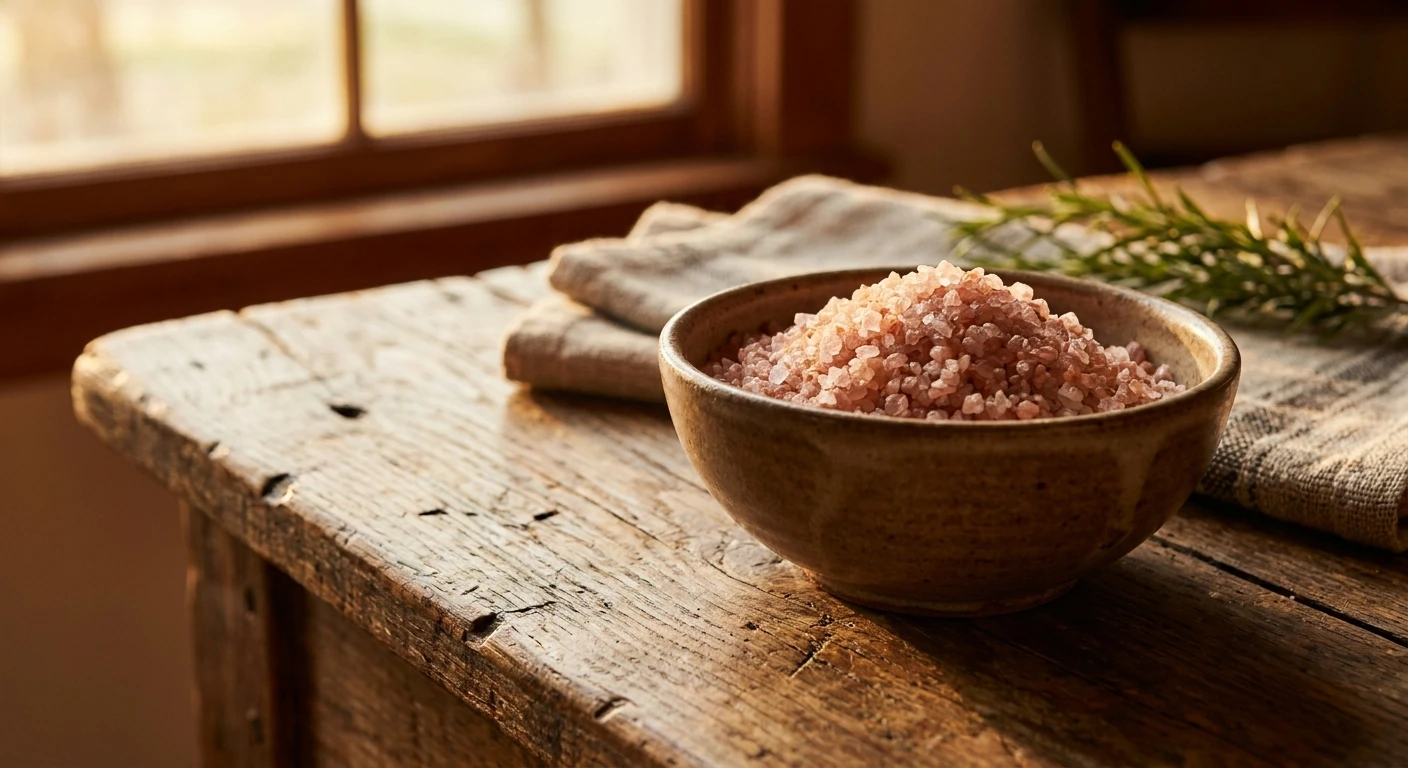
Stop eating heavily refined, bleached table salt that has been aggressively stripped of all its natural trace minerals. Switch entirely to natural alternatives like Celtic sea salt or Himalayan pink salt. These unrefined options contain a much broader spectrum of trace minerals like natural magnesium and calcium, which actually help satisfy your body’s genuine mineral requirements much faster than refined varieties.
Day 6: Optimize Sleep Hygiene
Severe sleep deprivation always makes your tired brain seek out instant energy and massive dopamine hits, heavily driving junk food consumption. Make tonight a massive priority. Turn off all glowing screens an hour before bed, significantly lower the room temperature, and aim for a solid eight hours of uninterrupted rest. Notice how your volatile appetite stabilizes the following day.
Day 7: Review and Adjust Habits
Look back at the entire week. Closely compare your intense urges from Day 1 to Day 7. You will likely notice a massive, undeniable reduction in those frantic, must-have-chips-now moments. Keep utilizing the morning hydration trick and maintaining a high potassium intake as permanent, long-term lifestyle habits.
Busting Common Salt Myths
There is so much outdated misinformation floating around about diet and sodium. Let us clear the air right now so you can make informed choices.
Myth: All salt is inherently bad for your health and will instantly give you dangerous high blood pressure.
Reality: Sodium is an absolutely essential mineral heavily required to sustain human life. While highly processed, massive doses can negatively impact blood pressure in sensitive individuals, a moderate amount of high-quality salt is completely vital for proper cellular function and systemic hydration.
Myth: Having a craving means you should immediately eat heavily processed junk food to easily fix it.
Reality: Your body wants the raw mineral, not the deep-fried potato or artificial chemical flavorings. A small handful of lightly salted raw nuts or a warm mug of bone broth will totally satisfy the physiological need without all the negative caloric baggage.
Myth: Drinking massive amounts of plain water always cures food cravings.
Reality: If you are severely depleted in essential electrolytes, drinking excessive amounts of plain, mineral-free water can actually dangerously dilute your blood further, making the biological craving significantly worse.
Myth: Fancy sea salt contains significantly less sodium than regular grocery store table salt.
Reality: By exact weight, they contain almost exactly the same amount of active sodium. Sea salt simply has much larger, bulkier crystals, meaning slightly less fits into a standard measuring spoon.
Frequently Asked Questions
Why do I want salty foods when I am sick?
When you are ill, especially with a high fever or severe stomach bug, you lose precious fluids rapidly. Your recovering body aggressively demands sodium to help physically retain whatever water you are managing to consume.
Can a lack of sleep really trigger these intense urges?
Absolutely. Sleep deprivation fundamentally disrupts your primary hunger hormones, specifically ghrelin and leptin. Your incredibly tired brain desperately seeks out highly palatable, savory foods for a quick dopamine and energy hit.
Is it normal to crave salt during pregnancy?
Yes, pregnancy drastically increases your total blood volume and totally changes your internal fluid dynamics. Your working body requires significantly more minerals to actively support both you and the growing baby.
Can sweating heavily cause hyponatremia?
Yes. If you sweat very heavily during intense endurance sports and only rehydrate your system with plain water, you risk dangerously diluting your blood sodium levels, leading to severe cramps.
Does drinking alcohol make you crave savory foods?
Alcohol is a notoriously strong diuretic. It forcefully pushes your kidneys to excrete extra fluid and vital electrolytes. The morning after drinking, your dehydrated body is begging for immediate replenishment.
Why do I suddenly want potato chips after working out?
You sweated out a significant amount of your crucial mineral reserves. Your primal brain pushes you toward chips because they are a fast, concentrated, easily accessible source of replacement sodium.
What is the healthiest way to satisfy a craving?
Opt for nutrient-dense whole food options like green olives, fermented pickles, lightly salted edamame, or simply drinking a high-quality, zero-sugar electrolyte powder mixed into cold water.
Are there medications that cause these specific cravings?
Yes, certain pharmaceutical diuretics and common blood pressure medications alter exactly how your kidneys process daily electrolytes, sometimes leading to heavily increased desires for savory items.
How do I know if my cravings indicate a serious medical condition?
If your specific urges are extremely severe, highly sudden, and actively accompanied by chronic dizziness, extreme fatigue, or random weight loss, you must consult a medical professional immediately to completely rule out adrenal insufficiency issues like Addison’s disease.
Can emotional stress mimic physical hunger?
100%. Emotional eating is incredibly common and totally natural. The loud physical crunch and savory taste of chips provide immediate sensory distraction and temporary comfort from overwhelming daily anxiety.
Conclusion
Figuring out the deep, underlying reason for your intense dietary cravings is the absolute ultimate key to feeling much better fast. Whether you are severely dehydrated, struggling with immense chronic stress, or just need to completely rethink your daily hydration strategy, your body is always actively communicating with you. Start properly listening to those natural signals instead of fighting them blindly. Keep this in mind: you hold the power to fix this. Grab a fresh glass of water with a small pinch of natural sea salt right now, and take the very first step toward perfectly balancing your internal biological ecosystem today!




Leave a Reply