

Understanding Sudden Sharp Pain Under Left Breast Female Symptoms
If you are frantically searching for answers about a sudden sharp pain under left breast female, you are absolutely not alone. Experiencing an unexpected, stabbing sensation in the chest area can immediately trigger anxiety, sending your mind racing toward worst-case scenarios. However, the human chest cavity is a complex, dense network of muscles, nerves, bones, and organs, and the vast majority of the time, this alarming discomfort is not related to a life-threatening cardiac event. When a sharp twinge strikes out of nowhere, it demands attention, but it also requires a calm, factual assessment of what your body is actually experiencing.
Our goal right now is to give you clarity, calm your nerves, and provide a clear roadmap for identifying the root of the problem. We are breaking down the intricate anatomy of the left side of the chest, exploring the underlying muscular, digestive, and neurological causes, and delivering practical, actionable steps to help you manage this symptom effectively. By understanding how different bodily systems interact right beneath your ribs, you can make informed decisions about your health, recognize when you simply need rest, and know exactly when it is time to seek professional medical intervention.
Read also: Wondering Why Does My Armpit Hurt? Causes & Relief; Cold Sweats: Real Causes and Fast Proven Solutions.
Let’s strip away the panic and look at the facts. You need to know exactly how to decode the signals your body is sending, distinguish between a pulled muscle and referred nerve pain, and take control of your well-being with absolute confidence.
Decoding the Core Causes and Mechanisms
When you feel a localized, piercing ache on the left side of your chest, you are likely dealing with one of three primary bodily systems: the musculoskeletal system, the gastrointestinal tract, or the respiratory system. The value of understanding these distinctions is massive. First, recognizing these signs saves you from unnecessary panic—knowing the difference between harmless chest wall pain and something more serious allows you to breathe easier. Second, it helps you communicate effectively with healthcare providers if you do need to book an appointment, ensuring you get the right diagnostic tests quickly.
Below is a breakdown of the most frequent culprits behind left-sided chest discomfort, showing how diverse the origins can be.
| Symptom Origin | Common Triggers & Conditions | Immediate Action or Observation |
|---|---|---|
| Musculoskeletal | Costochondritis, pulled intercostal muscles, poor posture, heavy lifting | Check if the pain worsens when you press on the ribcage or twist your torso. |
| Gastrointestinal | Trapped gas in the splenic flexure, acid reflux, gastritis, indigestion | Note if the pain occurs after eating a large meal or laying down too quickly. |
| Respiratory | Pleurisy, asthma flare-ups, chest infections, severe coughing fits | Observe if the stabbing sensation intensifies sharply when taking a deep breath. |
To accurately assess what you are feeling in the moment, you need a systematic approach. Follow these immediate steps to evaluate the sensation:
- Check your breathing dynamics: Take a slow, controlled, deep breath. If the pain spikes at the peak of your inhalation, it is highly likely related to the chest wall, muscles, or the lining of the lungs (pleura) rather than the heart itself.
- Note the duration and exact location: Cardiac pain often feels like a heavy, radiating pressure that lasts for minutes, whereas muscular pain or nerve pinches (like precordial catch syndrome) often manifest as a fleeting, pinpoint stab that vanishes almost as quickly as it appeared.
- Observe your physical movements: Try gently twisting your upper body from side to side, or raising your left arm above your head. If this physical movement reproduces the exact pain, it strongly points to a musculoskeletal issue, such as a strained intercostal muscle.
- Assess your digestive timeline: Think about your last meal. If you recently consumed spicy, acidic, or heavy foods, or if you drank carbonated beverages, the pain might simply be trapped gas pressing upward against your diaphragm.
Origins of Medical Diagnostic Practices
Historically, the medical community struggled significantly to differentiate the myriad causes of chest pain, particularly in women. For decades, the standard medical model for diagnosing chest-related emergencies was based almost entirely on male physiology and typical male symptom presentations. Women reporting a sharp, localized pain under the left breast were frequently misdiagnosed, either having their symptoms dismissed as mere hysteria or being subjected to cardiac treatments they did not actually need. The origins of diagnostic cardiology lacked the nuanced understanding that female anatomical structures, hormonal fluctuations, and pain thresholds often present entirely differently than those of men.
Evolution of Chest Pain Assessment
As medical science progressed through the late 20th century, the evolution of diagnostic tools revolutionized how doctors approach chest pain. The widespread adoption of the electrocardiogram (ECG), sophisticated blood panels looking for cardiac enzymes (like troponin), and advanced imaging technologies such as MRIs and CT scans allowed physicians to see beyond the surface. Medical professionals began to categorize chest pain with incredible precision. They realized that issues like costochondritis—an inflammation of the cartilage connecting the ribs to the breastbone—were incredibly common and completely benign, yet capable of mimicking the terrifying sensation of a heart issue. This era brought a crucial shift: doctors started asking better questions about the exact nature, timing, and triggers of the pain.
Modern State of Female Cardiac Care
Today, the modern state of healthcare takes a highly specialized, gender-aware approach to chest pain. Cardiology and general practice guidelines now explicitly recognize that women frequently experience atypical symptoms. Furthermore, there is a much deeper appreciation for the interconnectedness of the body. Modern diagnostics quickly rule out life-threatening issues, allowing doctors to focus on common female-specific factors such as hormonal changes affecting breast tissue density, the structural impact of ill-fitting supportive undergarments, and stress-induced muscle tension. The current medical landscape empowers women to seek answers without fear of dismissal, utilizing rapid, non-invasive tests to pinpoint the exact cause of a sudden stab under the ribs.
The Anatomy of the Left Chest Cavity
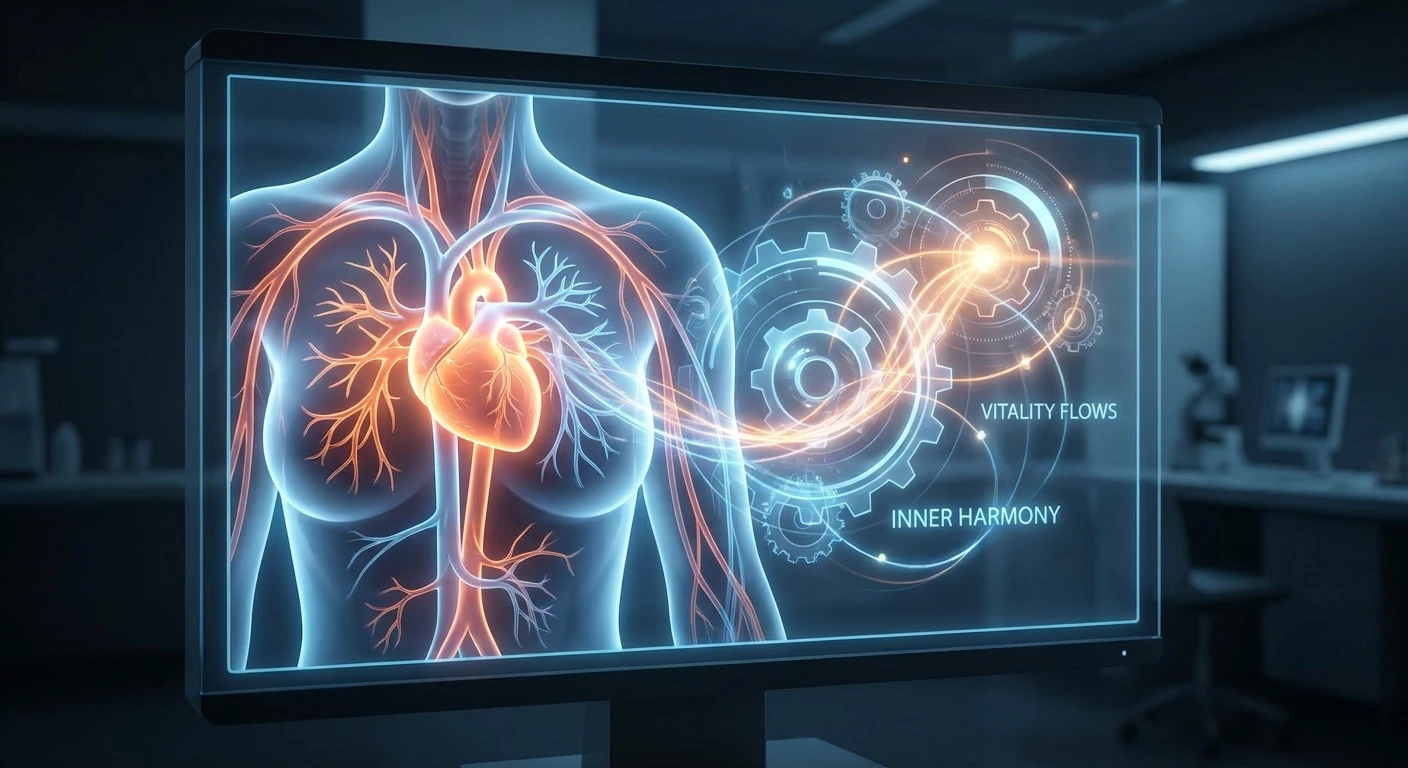
To truly understand why you feel a sudden, sharp pain, you need to visualize the incredible density of the left chest cavity. Right beneath your left breast sits a complex arrangement of vital structures. You have the lower lobes of the left lung, enveloped in a sensitive double-layered membrane called the pleura. Beneath the lungs sits the diaphragm, a massive sheet of muscle critical for respiration. Tucked just below the diaphragm on the left side is the stomach and a sharp bend in the colon known as the splenic flexure. Surrounding all of this is the ribcage, bound together by intercostal muscles and woven with a dense network of nerves. When any single one of these structures becomes inflamed, irritated, or cramped, it sends rapid distress signals to the brain. Because all these organs and muscles are packed into such a tight space, it can be incredibly difficult to isolate exactly which structure is complaining.
Neurological Pathways and Referred Pain
One of the most fascinating aspects of human anatomy is how the nervous system processes discomfort, often resulting in a phenomenon known as referred pain. The nerves that service your diaphragm, stomach, and heart often share the same pathways to the spinal cord. When the brain receives a pain signal from the stomach due to severe acid reflux, it can get “confused” and interpret the pain as coming from the chest wall or under the breast. This cross-wiring is why digestive distress so frequently masquerades as a cardiac issue.
- Precordial Catch Syndrome: A harmless condition caused by a pinched or irritated nerve in the chest wall, resulting in a sudden, sharp, needle-like pain that worsens when you breathe in deeply, usually resolving in seconds.
- Costochondritis Inflammation: The cartilage joining the ribs to the sternum becomes inflamed due to physical strain or viral infections, creating sharp, localized pain that is highly tender to the touch.
- Splenic Flexure Syndrome: Excessive gas becomes trapped in the bend of the colon just under the left ribcage, creating immense pressure that pushes upward, mimicking chest wall or heart pain.
- Hormonal Tissue Shifts: Fluctuations in estrogen and progesterone can cause breast tissue to become fibrous, swollen, and tender, leading to sharp twinges that radiate deeply toward the chest wall.
- Intercostal Muscle Spasms: The tiny muscles between the ribs can spasm from excessive coughing, awkward twisting, or heavy lifting, causing intense, localized stabbing sensations during movement.
Your Actionable 7-Step Assessment Plan
If you are currently experiencing this symptom and have confirmed it is not a medical emergency, you need a structured way to track, manage, and resolve the discomfort. This step-by-step assessment protocol will help you identify the root cause and find relief over the next few days.
Step 1: Rule Out Medical Emergencies Immediately
Before doing anything else, verify your safety. If your sharp pain is accompanied by shortness of breath, dizziness, cold sweats, pain radiating down your left arm, or a crushing pressure in the center of your chest, bypass this guide entirely and seek emergency medical attention. Safety and rapid response are always the top priorities when dealing with chest symptoms.
Step 2: Document the Exact Location and Intensity
Grab a notebook and start tracking the pain. Note exactly where the stab occurs—is it directly under the center of the breast, closer to the armpit, or lower near the stomach? Rate the pain on a scale of 1 to 10, and document how long it lasts. Are we talking about a three-second twinge or a dull ache that lingers for an hour? This data is crucial.
Step 3: Analyze Your Recent Physical Exertion
Think back over the last 48 hours. Did you start a new upper-body workout? Did you lift heavy boxes, vacuum vigorously, or sleep in a strange position? Musculoskeletal strains can take a day or two to fully manifest. If you can link the pain to physical exertion, you are likely dealing with a simple muscle strain.
Step 4: Monitor Your Digestive Habits and Diet
Pay close attention to what you eat and how your body reacts. Does the pain strike after a heavy, spicy, or greasy meal? Do you feel bloated? If the sharp pain correlates with eating or excessive burping, you are likely dealing with trapped gas, acid reflux, or gastritis rather than a chest wall issue.
Step 5: Implement Gentle Posture Corrections
Slouching over a desk or phone for hours compresses the chest cavity, leading to shallow breathing and tight intercostal muscles. Actively work on your posture. Roll your shoulders back, sit up straight, and allow your ribcage to fully expand. Correcting your alignment can instantly relieve pressure on irritated nerves and strained cartilage.
Step 6: Apply Targeted Temperature Therapy
If you suspect muscle strain or costochondritis, apply a heating pad to the affected area for 15-20 minutes to relax the muscles and promote blood flow. If the area feels warm or inflamed, a cold pack wrapped in a towel can help numb the sharp nerve pain. Alternate as needed to find the most effective relief.
Step 7: Schedule a Comprehensive Medical Review
If the sharp pain persists for more than a few days, becomes a chronic daily occurrence, or causes you severe anxiety, it is time to book an appointment with your doctor. Bring the notes you took in Step 2. A healthcare professional can perform an ECG, listen to your lungs, and palpate your chest to give you a definitive, peace-of-mind diagnosis.
Myths vs. Reality of Left-Sided Chest Pain
There is a massive amount of misinformation surrounding chest pain, leading to unnecessary anxiety. Let’s clear up the most common misconceptions with hard facts.
Myth: Every single pain on the left side of the chest indicates a heart problem.
Reality: The overwhelming majority of localized, sharp, sudden pains in this area are related to musculoskeletal strains, trapped digestive gas, or nerve pinches. Cardiac pain is usually described as a generalized, heavy pressure rather than a pinpoint stab.
Myth: Gas and indigestion only cause stomach aches, not chest pain.
Reality: Gas trapped in the upper digestive tract, specifically the splenic flexure, can push forcefully against the diaphragm, perfectly mimicking the sensation of a serious chest issue.
Myth: Only older adults need to worry about sudden chest twinges.
Reality: While severe cardiac events are rarer in young women, issues like precordial catch syndrome, costochondritis, and exercise-induced muscle strains are incredibly common in teenagers and younger adults.
Myth: Breast-related pain only happens during specific times of your hormonal cycle.
Reality: While hormonal fluctuations certainly cause cyclical tenderness, structural issues like cysts, fibroadenomas, or simply wearing an unsupportive bra can trigger sudden, sharp nerve pain in the breast tissue at any time of the month.
Frequently Asked Questions & Next Steps
Can high levels of anxiety cause this type of sharp pain?
Absolutely. Anxiety and panic attacks can cause you to hyperventilate and tense your chest muscles unconsciously. This extreme tension can lead to sharp, stabbing pains in the chest wall, which unfortunately creates a vicious cycle of more anxiety and more pain.
When should I bypass a doctor and go straight to the emergency room?
Go to the ER immediately if the sharp pain is accompanied by dizziness, fainting, severe shortness of breath, a feeling of heavy pressure in the center of the chest, or pain that radiates into your jaw, neck, back, or left arm.
Does costochondritis eventually go away on its own?
Yes, costochondritis is generally a self-limiting condition. It often resolves on its own with rest, gentle stretching, and over-the-counter anti-inflammatory medication, though it can take several weeks or even months to disappear completely.
Can chronic heartburn really feel like a stabbing needle?
Yes. Severe acid reflux or Gastroesophageal Reflux Disease (GERD) can cause stomach acid to splash high up into the esophagus. This can cause esophageal spasms, which are frequently described as sudden, intense, needle-like stabbing pains behind the ribs.
What exactly is precordial catch syndrome?
It is a highly common, entirely harmless condition where a nerve gets temporarily pinched in the chest wall. It causes a sharp, terrifying pain that gets much worse when you try to take a breath, but it usually vanishes entirely within a minute or two.
How does a doctor diagnose the exact cause of the pain?
A doctor will typically start by taking a detailed history and gently pressing on your chest (palpation) to check for musculoskeletal tenderness. They will listen to your heart and lungs, and may run an ECG or a chest X-ray to quickly rule out cardiac or respiratory emergencies.
Can a pulled muscle from coughing cause lingering sharp pain?
Yes. A severe bout of coughing, whether from a cold, bronchitis, or asthma, can easily strain the intercostal muscles between your ribs. This strain will cause a sharp, localized pain every time you move, twist, or cough again until the muscle fully heals.
Navigating a sudden sharp pain under the left breast can be an incredibly stressful experience, but arming yourself with anatomical knowledge is your best defense against panic. By systematically ruling out emergencies, tracking your symptoms, and understanding the intricate connections between your muscles, digestive tract, and nerves, you take control of your health narrative. Listen to your body, apply practical interventions, and never hesitate to seek professional guidance. If your pain persists or causes you severe distress, schedule a consultation with your healthcare provider today to get the definitive answers and peace of mind you deserve.




Leave a Reply