

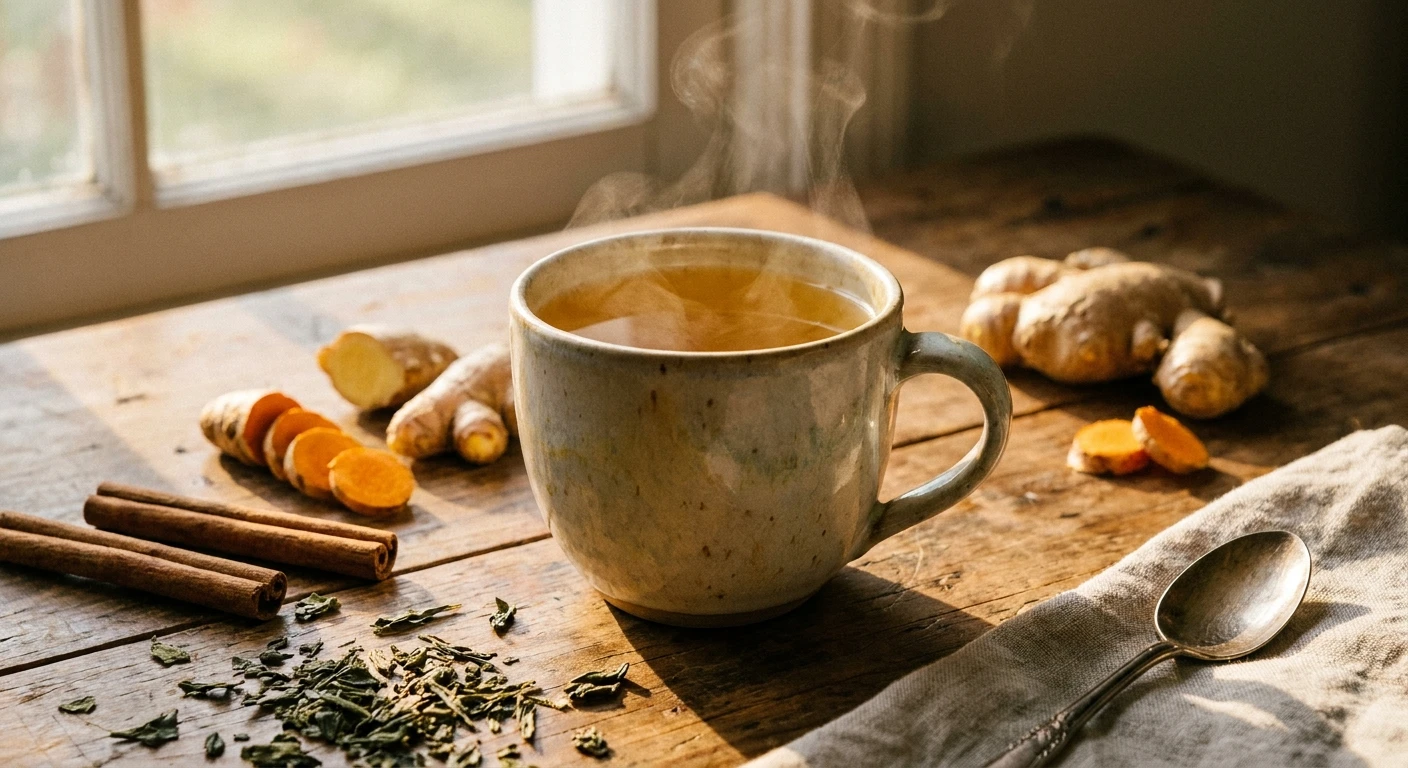
Why You Need an Anti Inflammatory Tea Routine Right Now
Sipping on a warm cup of anti inflammatory tea is arguably the easiest, most comforting way to calm your nervous system and soothe your body from the inside out. We all deal with physical stress, random aches, and the subtle wear-and-tear of daily life. Chronic inflammation sits at the root of almost every modern physical complaint, from stiff joints on a rainy morning to persistent fatigue that simply will not budge. It acts like a slow-burning fire within your tissues, degrading cellular function over time. Think of a daily herbal infusion as a gentle, natural defense mechanism that works quietly behind the scenes to extinguish that fire.
Instead of waiting for painful flare-ups to disrupt your schedule, you can actively manage your body’s response to environmental stress through mindful hydration. Plants like raw ginger, ground turmeric, and pure green tea leaves are packed with bioactive compounds that specifically target swelling and cellular irritation. This approach is not about adhering to complex diets. It is simply about replacing your second cup of regular coffee with a beverage that actively heals your tissues. By committing to this simple habit, you give your overworked digestive tract a break, supply your bloodstream with powerful antioxidants, and help your immune system regulate itself naturally without heavy interventions. Let’s look exactly at how this natural alchemy works, which specific ingredients actually move the needle for your health, and how to build a lasting routine.
Read also: Proven pumpkin seed oil benefits For Health; Okra Water: Health Benefits and Daily Recipes.
The core mechanism of any high-quality herbal infusion relies on specific phytochemicals that block inflammatory pathways at the source. When you drink a properly brewed cup of these botanicals, you extract potent, water-soluble antioxidants that absorb quickly through your digestive lining. The real, tangible value comes from the synergistic effect of whole-plant ingredients working together in harmony. For example, combining earthy turmeric root with freshly cracked black pepper and a healthy fat like coconut oil radically increases absorption rates. Blending delicate green tea with a squeeze of fresh lemon juice stabilizes the fragile catechins so they survive your stomach acid and reach your lower intestines intact.
| Tea Type | Active Compound | Primary Health Benefit |
|---|---|---|
| Green Tea (Sencha or Matcha) | Epigallocatechin gallate (EGCG) | Systemic cellular protection and metabolic support |
| Turmeric Root | Curcumin | Deep joint relief and chronic pain management |
| Ginger Root | Gingerol | Immediate digestive calming and nausea reduction |
| Rosehip & Hibiscus | Vitamin C & Flavonoids | Connective tissue repair and immune system defense |
To get the maximum clinical potency out of your daily brew, you need to follow a few straightforward rules. Throwing a dusty tea bag into lukewarm water simply will not cut it if you want real physiological changes.
- Control your water temperature meticulously: Boiling water instantly destroys the delicate compounds in green tea, rendering them bitter. Conversely, tough roots like ginger require a heavy rolling boil to extract their medicinal oils.
- Maximize your steep time: Herbal tisanes need at least ten to fifteen minutes to fully release their therapeutic properties. Always cover your mug to trap the volatile essential oils.
- Enhance bioavailability with smart pairings: Pair fat-soluble herbs like turmeric with healthy fats. Add citrus to green teas to protect antioxidants during digestion.
By treating your home brewing process with a bit of respect, you multiply the health benefits of every single cup.
The Ancient Origins of Herbal Medicine
The practice of steeping medicinal plants in hot water entirely predates written human history. Early civilizations across Asia, specifically operating within Traditional Chinese Medicine and ancient Ayurveda, mapped out the energetic and physical effects of hundreds of roots, leaves, and flowers. These early practitioners did not have digital microscopes to identify cellular inflammation, but they clearly recognized symptoms of ‘heat’ and ‘stagnation’ in the physical body. They prescribed specific barks and fleshy rhizomes to cool the overheated system, effectively treating what we now identify medically as systemic chronic inflammation.
Evolution Across Global Trade Routes
As ancient maritime fleets and overland trade routes expanded, the vital ingredients essential for these healing brews traveled far beyond their native soils. The global spice trade fundamentally altered European medicine forever, bringing highly potent, anti-inflammatory agents like dried ginger, cardamom, and clove to the Western world. Traditional apothecaries began blending these expensive spices with abundant local European herbs like wild chamomile and willow bark. This unprecedented cross-cultural exchange created incredibly complex new formulations, mixing aggressively warming spices of the East with gentle, cooling botanicals native to the Mediterranean region.
The Modern State of Herbal Infusions
Today, the rigorous science of modern pharmacognosy completely validates what ancient intuitive healers knew instinctively for millennia. Clinical laboratory testing allows scientists to measure the exact antioxidant capacity of different plant species and understand how they interact with human biology on a molecular level. We now have access to standardized extracts, certified organic whole leaves, and meticulously sourced roots. The wellness industry has embraced these traditional blends, offering them in highly accessible formats. Yet, the most effective method remains the simplest: acquiring high-quality ingredients and steeping them fresh in your own kitchen to preserve their volatile oils.
Understanding Oxidative Stress at a Cellular Level
To truly appreciate how these warm beverages work to heal your body, you have to look deeply at the hidden mechanics of oxidative stress. Every single day, your normal metabolic processes and unavoidable exposure to environmental toxins produce free radicals. These are highly unstable molecules that aggressively damage healthy cells, proteins, and even your DNA. When this cellular damage accumulates faster than your body can repair it, the immune system triggers a defensive inflammatory response. If the oxidative stress never stops, neither does the internal inflammation. The massive flood of antioxidants found in your daily brew act as generous electron donors. They neutralize erratic free radicals before they can cause structural damage, effectively shutting down the biological alarm bells that keep your immune system trapped in a state of high alert.
How Phytochemicals Block Inflammation Pathways
Beyond simply sweeping up dangerous free radicals, specific plant compounds actively interfere with the very enzymes that produce inflammatory chemicals in the first place. Think of enzymes like COX-2 and LOX as the biological machinery that manufactures pain, heat, and swelling in your tissues. Certain phytochemicals act like a heavy wrench thrown directly into those gears.
- EGCG in green tea directly inhibits the cellular production of pro-inflammatory cytokines, significantly reducing long-term damage in joint tissues and delicate blood vessels.
- Curcumin from turmeric operates on multiple molecular targets, drastically lowering histamine levels while blocking the COX-2 enzyme. It functions much like popular chemical painkillers, but completely without dangerous gastrointestinal side effects.
- Gingerol found in raw ginger helps effectively modulate immune pathways by heavily suppressing the natural synthesis of prostaglandins, directly easing severe muscle soreness and joint stiffness.
- Quercetin powerfully stabilizes your mast cells, stopping them from releasing the sheer volume of histamine that causes allergic swelling and redness.
You do not need a degree in biochemistry to benefit from these mechanics. Providing your body with a steady stream of phytochemicals ensures your cellular defenses remain fully armed.
Building a truly functional habit requires structure and intention. Here is a practical, 7-day protocol designed to systematically introduce different healing botanicals into your daily routine, deliberately targeting various body systems for maximum restorative impact.
Day 1: The Classic Ginger Reset
Begin your week with powerful simplicity. Grate an inch of fresh, juicy ginger root and simmer it vigorously in water for fifteen minutes. This intensely warming, spicy brew jumpstarts sluggish digestion and directly targets systemic morning stiffness. Drink it first thing to flush out overnight stagnation.
Day 2: Golden Turmeric Awakening
Take a heaping teaspoon of organic turmeric powder, a pinch of freshly ground black pepper, and a small spoonful of raw coconut oil. Steep this combination heavily with near-boiling water. The natural fats and piperine ensure the curcumin rapidly reaches your bloodstream, providing deep relief for chronically achy joints.
Day 3: Green Tea Afternoon Boost
Swap your acidic afternoon coffee for a vibrant bowl of ceremonial grade matcha or loose-leaf sencha. Keep the water temperature carefully around 170 degrees Fahrenheit. This provides a clean energy lift while completely flooding your vascular system with incredibly powerful, protective catechins.
Day 4: Chamomile and Lavender Calm
By mid-week, focus entirely on nervous system repair. Brew whole, fragrant chamomile flowers with dried culinary lavender an hour before bed. Lowering your mental stress directly lowers your cortisol levels, which radically reduces systemic swelling and promotes deep cellular repair.
Day 5: Rosehip and Hibiscus Recovery
These incredibly bright botanicals are outrageously rich in natural Vitamin C and potent flavonoids. Brew them slightly cooler to carefully preserve fragile vitamins. This tart, refreshing drink is perfect for connective tissue recovery after intense physical strain.
Day 6: Peppermint and Fennel Digestion
Today we target the crucial gut-brain axis. Steep fresh peppermint leaves alongside lightly crushed fennel seeds. This combination actively relaxes the smooth muscles of the intestines, reducing uncomfortable bloating and halting gastrointestinal distress.
Day 7: The Master Blend Integration
Celebrate the end of the week by combining sliced ginger, fresh turmeric, a thick slice of lemon, and a tiny dash of raw honey. This full-spectrum master brew harmoniously combines robust digestive support, deep joint relief, and powerful immune modulation.
Myth: All tea reduces inflammation equally across the board.
Reality: The oxidation process matters heavily. Highly oxidized black varieties lose many of their specific anti-inflammatory catechins compared to gently steamed green or white leaves.
Myth: You need to buy expensive supplements to get real results.
Reality: The most potent, biologically active ingredients are almost always the cheapest. Fresh ginger root from your grocery store, when simmered properly, is highly effective and completely affordable.
Myth: The physical results of drinking herbal infusions are instant and permanent.
Reality: While a hot drink can soothe your stomach immediately, downregulating systemic inflammatory markers requires consistent daily consumption over several weeks.
Myth: More is always better when it comes to medicinal herbs.
Reality: Overloading your system with massive concentrated doses of botanical extracts can stress your liver. Moderate daily doses of whole-plant infusions provide the safest, sustainable benefits.
Can I drink it every day?
Yes, daily consumption of gentle botanicals like fresh ginger or high-quality green tea is very safe and highly recommended for building cumulative health benefits.
When is the best time to drink it?
Drink stimulating green or white blends in the morning or early afternoon, and save caffeine-free herbal roots for your relaxing evening routine.
Do I need to add black pepper to turmeric tea?
Yes, the piperine compound found in black pepper increases the intestinal absorption of curcumin by up to two thousand percent, making it exponentially more effective.
Can I sweeten it with sugar?
Refined sugar promotes cellular inflammation, defeating the purpose of the drink. Use a conservative amount of raw honey or pure stevia instead.
Is it safe on an empty stomach?
Strong ginger or steeped green tea can cause mild nausea on an empty stomach for some. Drink them after a meal if you feel discomfort.
Can cold brew work as well?
Cold brewing extracts different compound ratios but remains highly beneficial, refreshing, and excellent for extracting sweet flavors without bitterness.
How long before I see joint relief?
Consistent use usually yields noticeable physical improvements in joint stiffness and soreness within three to six weeks.
Stop letting minor aches dictate the quality of your life. Grab your favorite mug, start brewing these powerful natural remedies, and take active control of your cellular health today!





Leave a Reply