

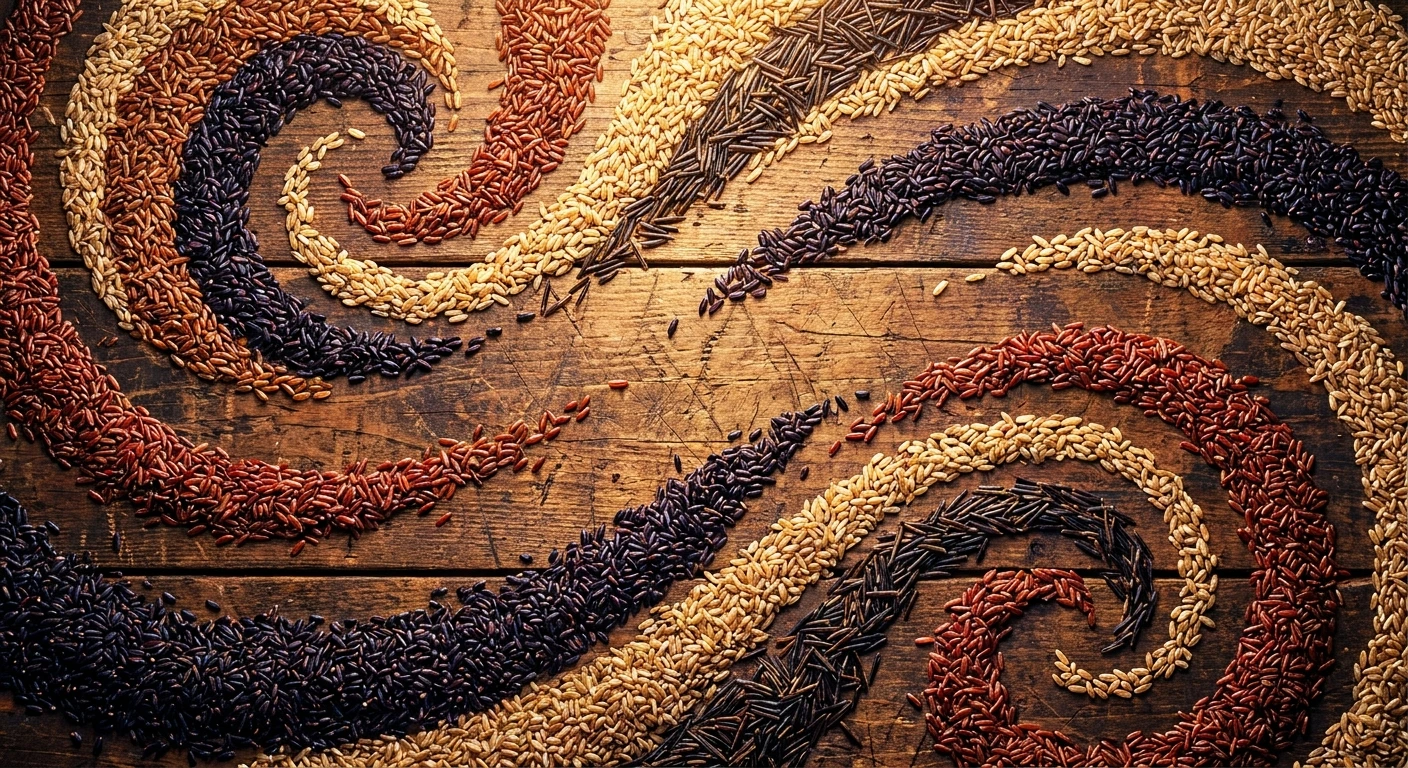
Finding the healthiest rice to eat for Daily Nutrition
Wondering exactly which grain is the healthiest rice to eat when planning your weekly meals? You are not alone in this nutritional search, as rice serves as a primary dietary staple for more than half the global population. Walking down the supermarket aisle presents you with a dizzying array of options: long-grain, short-grain, jasmine, basmati, parboiled, black, red, and wild varieties. The sheer volume of choices can make grocery shopping feel like a complex puzzle. However, by understanding the unique macronutrient and micronutrient profiles of these different varieties, you can easily select the perfect grain to match your specific dietary goals. Whether your focus involves managing blood sugar levels, boosting your daily antioxidant intake, or simply adding more high-quality dietary fiber to your routine, the right grain makes a monumental difference. Your daily bowl of food is not just a carrier for sauces and proteins; it is a fundamental building block of your overall health. Moving away from highly refined grains and embracing nutrient-dense alternatives provides sustained energy throughout the day, supports healthy digestion, and ensures your body receives essential vitamins and minerals that are often stripped away during commercial processing.
Core Nutritional Benefits of Whole Grains
When evaluating grain options, the distinction between refined and unrefined varieties completely changes your metabolic response. Swapping standard white rice for pigmented or whole grain alternatives drastically improves the nutritional density of your meals. Whole varieties retain the nutrient-packed bran layer and the vitamin-rich germ, which are entirely removed during the manufacturing of white rice. The bran provides an excellent source of dietary fiber, which is crucial for maintaining a healthy gut microbiome and ensuring slow, steady digestion. The germ contains essential fatty acids, B vitamins, and antioxidants. Among these unrefined options, black rice, often celebrated for its deep purple hue, offers massive amounts of anthocyanins—the exact same antioxidants found in blueberries. Red rice contains beneficial compounds that support cardiovascular health, while wild rice delivers an impressive protein-to-calorie ratio compared to standard grains. Understanding these specific value propositions helps you build a well-rounded, health-conscious pantry.
Read also: Best Keto Fruit Options for Low-Carb Diets; Why You Must Try Chia Seeds in Water.
| Rice Variety | Key Nutritional Profile | Best Dietary Use |
|---|---|---|
| Black Rice | Extremely high in anthocyanin antioxidants | Reducing systemic inflammation and cellular protection |
| Brown Rice | Rich in insoluble dietary fiber and magnesium | Supporting daily digestive health and sustained energy |
| Wild Rice | High protein and lower carbohydrate content | Plant-based muscle recovery and low-calorie diets |
To maximize your health benefits, consider these primary advantages of consuming unrefined rice varieties:
- Superior Fiber Content: Whole grains significantly increase your daily fiber intake, which helps regulate bowel movements, lowers cholesterol levels, and keeps you feeling full and satisfied for much longer periods.
- Lower Glycemic Index: Because the fibrous bran slows down the digestive process, complex grains do not cause the rapid, dangerous spikes in blood sugar that are typically associated with highly processed white carbohydrates.
- Abundant Micronutrients: Unrefined options provide critical minerals such as manganese, phosphorus, selenium, and magnesium, which are vital for bone health, enzyme function, and maintaining a robust immune system.
Origins of Rice Cultivation
The agricultural history of rice spans more than 10,000 years, beginning in the Pearl River Valley region of ancient China. Early farmers domesticated wild grasses, relying on the natural, unrefined grains to sustain their growing communities. For thousands of years, humans consumed whole grain varieties almost exclusively. The milling process was done entirely by hand using heavy wooden pestles and stone mortars. Because this manual labor was incredibly time-consuming and labor-intensive, removing the outer bran layer completely was rare. Therefore, ancient populations naturally consumed a diet rich in complex carbohydrates, fiber, and essential B vitamins, completely unaware of the precise nutritional science that protected them from modern metabolic diseases.
Evolution of Milling and Refining
The dramatic shift in global consumption patterns occurred during the Industrial Revolution. The invention of mechanized milling machinery in the 19th century allowed producers to strip the bran and germ efficiently on a massive commercial scale. White rice rapidly became a symbol of status and wealth because of its refined appearance, softer texture, and significantly longer shelf life. However, this industrial breakthrough came with a severe nutritional cost. The widespread adoption of polished white rice led directly to outbreaks of beriberi, a deadly disease caused by a severe deficiency of Vitamin B1 (thiamine)—a nutrient that is highly concentrated in the discarded rice bran. This historical crisis forced modern food manufacturers to begin artificially enriching refined grains with synthetic vitamins to prevent mass malnutrition.
The Modern State of Whole Grains
Today, there is a massive global resurgence in the popularity of ancient, unrefined grains. Health-conscious consumers are actively seeking out heritage varieties and unpolished options to combat modern lifestyle diseases like type 2 diabetes and obesity. Supermarkets now stock specialized products ranging from sprouted grains to exotic blends. Agricultural scientists and dietitians heavily advocate for returning to whole foods, recognizing that natural dietary fiber and intact phytochemicals perform essential biological functions that artificial vitamin fortification simply cannot replicate. This modern shift reflects a renewed appreciation for traditional, minimally processed agriculture.
Nutritional Biochemistry of Rice
To truly understand how grain impacts your body, you must look at its botanical structure. A complete grain consists of three distinct parts: the fibrous outer bran, the nutrient-dense core called the germ, and the starchy middle layer known as the endosperm. When you eat refined grains, you consume only the starchy endosperm, which provides quick energy but lacks substantial nutritional depth. Whole grains keep the entire structure intact. The biochemistry of these unrefined grains facilitates a slow release of glucose into your bloodstream. Furthermore, pigmented varieties contain powerful phytochemicals. The deep purple-black color of certain grains is caused by specific flavonoids that actively neutralize free radicals within your body, protecting your cells from oxidative stress and DNA damage over time.
Glycemic Index and Digestibility
The way your body digests these grains depends heavily on the ratio of two specific types of starch: amylose and amylopectin. Grains with a high amylose content, such as basmati, do not gelatinize easily during cooking. They remain separate, fluffy, and digest much slower, resulting in a lower glycemic index. In contrast, grains high in amylopectin become very sticky and soft, digesting rapidly and causing quicker blood sugar spikes. You can further alter the digestibility of any cooked starch through a specific cooling process.
- Resistant Starch Formation: Cooking and subsequently cooling starchy foods for 12 to 24 hours alters their chemical structure, creating resistant starch that acts like dietary fiber and feeds beneficial gut bacteria.
- Phytic Acid Considerations: The bran layer contains phytic acid, which binds to minerals like iron and zinc; however, thoroughly soaking grains before cooking neutralizes this compound and drastically improves mineral absorption.
- Anthocyanin Stability: The powerful antioxidants found in deeply pigmented varieties are partially water-soluble, meaning cooking them in the absorption method (rather than boiling and draining) preserves their maximum nutritional value.
Day 1: Introduction to Brown Rice
Begin your week by incorporating traditional brown rice into your evening meal. Because of its tough outer bran layer, it requires a slightly longer cooking time and more water than you might be used to. Soak the grains for about 30 minutes before simmering to soften the texture and increase nutrient bioavailability. Pair this nutty, chewy base with lean proteins like grilled chicken or tofu, and a large serving of steamed broccoli for a highly satisfying, fiber-rich dinner.
Day 2: Exploring Wild Rice Blends
Wild rice is botanically an aquatic grass, boasting a distinctively earthy flavor and a much higher protein content. Because cooking pure wild grain can take up to an hour, try utilizing a pre-mixed blend of brown and wild varieties for your Tuesday meals. This combination creates a beautiful texture contrast. Toss the cooked blend with roasted mushrooms, fresh thyme, and a light vinaigrette for an outstanding, nutrient-dense lunch salad.
Day 3: Antioxidant Boost with Black Rice
Midweek is the perfect time to introduce forbidden black rice. Known historically as an exclusive food reserved solely for ancient Chinese emperors, this variety turns a stunning deep purple when cooked. Use it to create a visually striking side dish alongside baked salmon. The natural sweetness of this grain also makes it incredible for healthy desserts; try simmering it with a splash of unsweetened coconut milk and a dash of cinnamon.
Day 4: Red Rice for Heart Health
Red rice offers a complex, slightly earthy flavor profile and is packed with beneficial compounds that support cardiovascular function. Prepare a large batch on Thursday to use in a hearty grain bowl. Mix it with roasted sweet potatoes, fresh spinach, sliced avocados, and a tahini dressing. The firm texture holds up beautifully when mixed with heavy dressings, making it ideal for meal prepping.
Day 5: Sprouted Brown Rice Benefits
Sprouted, or germinated, brown rice undergoes a specific soaking process that significantly increases its levels of gamma-aminobutyric acid (GABA), a neurotransmitter that promotes relaxation and reduces anxiety. Cooking sprouted grains is generally faster, and the texture is much softer than standard unrefined varieties. Serve this highly digestible option with a light, broth-based vegetable soup to end your workweek on a gentle, nourishing note.
Day 6: Resistant Starch Experiment
Use Saturday to experiment with food science by maximizing resistant starch. Cook your favorite variety—even a high-amylose white basmati if you prefer—and place it immediately into the refrigerator overnight. The next day, reheat it gently or use it cold in a vibrant vegetable fried rice recipe. This cooling technique lowers the overall caloric impact and transforms the carbohydrates into fuel for your microbiome.
Day 7: Creating Your Custom Blend
Wrap up your 7-day plan by batch-cooking a custom mixture for the upcoming week. Combine one cup of brown, half a cup of red, and a quarter cup of wild grains. Cook this personalized blend using vegetable broth instead of plain water to infuse deep, savory flavors. Store it in airtight glass containers in the fridge so you have instant access to a complex, health-promoting carbohydrate base for your meals.
Myths & Reality About Grains
Myth: Eating any type of rice late at night automatically causes rapid weight gain.
Reality: Weight management depends entirely on your total daily caloric intake and portion sizes. Consuming moderate amounts of high-fiber, complex grains can actually prevent late-night sugar cravings by keeping your blood sugar completely stable while you sleep.
Myth: You should completely avoid brown rice because it always contains dangerous, toxic levels of arsenic.
Reality: While it is true that agricultural crops absorb minerals from the soil and water, you can effectively mitigate this risk. Rinsing your grains thoroughly, boiling them in excess water (like pasta) rather than using the absorption method, and varying your dietary choices keeps exposure minimal and safe.
Myth: Refined white rice is essentially equivalent to eating pure table sugar and has absolutely no nutritional value.
Reality: Although it lacks dietary fiber, it is a highly digestible source of immediate energy that is extremely useful for athletes. Additionally, many modern commercial brands are enriched with vital B-vitamins and iron.
Is wild rice actually rice?
No, it is technically an aquatic grass seed native to North America. However, it cooks and behaves exactly like traditional grains and provides an exceptional source of plant-based protein, fiber, and essential minerals.
Does rinsing rice remove nutrients?
Rinsing primarily removes surface starch, which improves texture and prevents clumping. For unrefined varieties, it does not significantly reduce internal nutrition, but if you are using enriched white rice, heavy washing can wash away the added water-soluble vitamins.
How do I make brown rice softer?
To achieve a fluffy, tender texture, soak the raw grains in clean water for 30 to 60 minutes before cooking. Ensure you use a slightly higher water-to-grain ratio, typically 2:1, and allow it to rest covered for 10 minutes off the heat after simmering.
What is forbidden rice?
Forbidden rice is simply another name for black rice. In ancient times, it was cultivated in very small quantities and strictly reserved for royalty due to its supposed health-promoting properties and stunning, rich color.
Is parboiled rice healthy?
Yes, parboiled or converted rice undergoes a steam-pressure process before milling. This technique forces the water-soluble vitamins from the outer bran layer deep into the starchy endosperm, making it significantly more nutritious than standard polished white varieties.
Can I eat rice every day?
Absolutely. Billions of people safely consume it daily. The key to daily consumption is choosing unrefined whole grains, practicing proper portion control, and pairing it with abundant vegetables, healthy fats, and high-quality proteins to create balanced meals.
Does rice have gluten?
All pure, natural varieties of this grain—including those labeled as “glutinous” or sticky—are naturally 100 percent free of dietary gluten. They are perfectly safe for individuals diagnosed with celiac disease or non-celiac gluten sensitivity.
What is the glycemic index of basmati?
Traditional basmati has a medium glycemic index, usually ranging between 50 and 58. Its high amylose starch content means it breaks down much slower during digestion compared to short-grain sticky varieties, providing more sustained energy.
Choosing the healthiest rice to eat fundamentally transforms a simple side dish into a powerful tool for optimal wellness. By shifting your pantry staples toward complex, unrefined, and pigmented varieties, you fuel your body with critical antioxidants, dietary fiber, and sustained energy. Stop settling for nutrient-depleted, heavily processed grains. Take control of your daily nutrition, experiment with vibrant whole foods this week, and discover exactly how delicious eating for your health can truly be!





Leave a Reply