

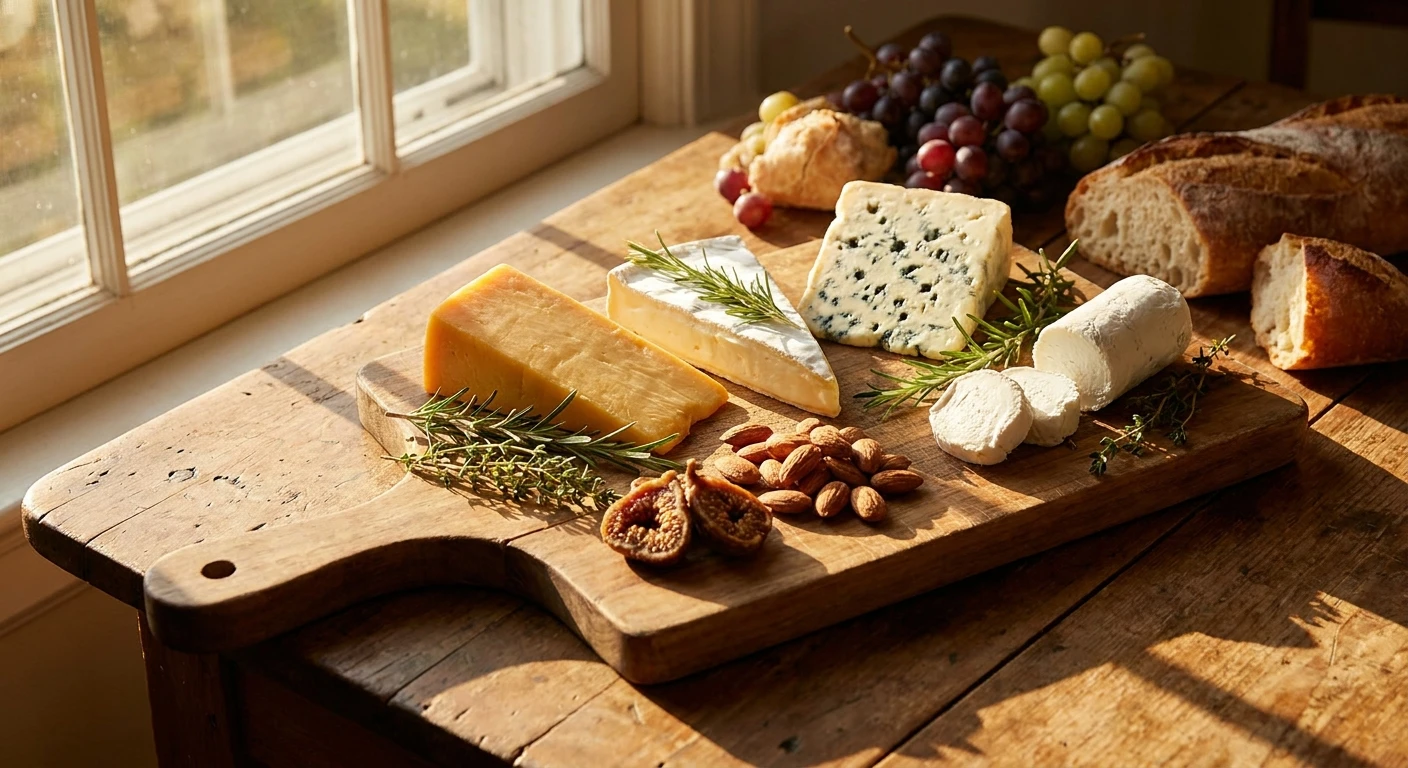
Finding the Lowest Carb Cheese for Your Daily Diet
When you are navigating the strict macronutrient requirements of a ketogenic or targeted low-carbohydrate lifestyle, finding the lowest carb cheese becomes a major priority. Most people naturally assume that all dairy is fundamentally free of carbohydrates, but the biological and chemical reality is far more complex. Raw milk contains lactose, which is a naturally occurring disaccharide sugar. Depending heavily on how that liquid milk is processed, fermented, and aged, the final solid product can range from virtually zero carbohydrates to surprisingly high sugar counts that can quickly disrupt your metabolic state. You need accurate, factual information to make the best dietary choices without sacrificing culinary flavor or daily convenience.
The good news is that high-quality, full-fat dairy can be one of the most satisfying and nutritionally dense components of a low-carbohydrate nutrition plan. It provides a massive amount of essential fats, high-quality bioavailable proteins, and crucial micronutrients like calcium, phosphorus, and vitamin D. The real key is understanding the specific biological processes that dictate exactly how much residual sugar remains in the final block you purchase. By learning how to properly read nutritional labels, understanding the mechanics of the aging process, and selecting the right specific varieties, you can easily integrate delicious dairy into your daily routine. Get ready to master your macros, optimize your grocery shopping, and discover exactly which dairy products deserve a permanent spot in your refrigerator.
Read also: Best Keto Fruit Options for Low-Carb Diets; Discover the healthiest rice to eat for Nutrition.
Understanding the exact macronutrient breakdown of different dairy products offers massive benefits for your baseline metabolic health, steady daily energy levels, and sustained, long-term weight management. Choosing the correct types helps you completely avoid hidden sugars that cause unexpected insulin spikes and subsequent mid-afternoon energy crashes. For example, a high-quality, traditionally aged Brie offers an incredibly rich flavor profile, excellent healthy fats, and virtually undetectable carbohydrates, making it a perfect functional food. Another excellent example is traditional Goat cheese, which provides a wonderfully tangy flavor profile and high gastrointestinal digestibility while remaining incredibly low in total sugar.
On the other hand, consuming heavily processed dairy products or unaged, excessively sweet cheeses can quietly sabotage your strict dietary goals. Pre-shredded cheeses in plastic bags often contain added potato starch or powdered cellulose designed to prevent clumping on the assembly line, which directly and unnecessarily adds carbohydrates to your carefully planned meals.
Here is a detailed breakdown of popular options to help you easily visualize the critical macronutrient differences:
| Cheese Type | Carbohydrates per 100g (Approx.) | Best Dietary Use |
|---|---|---|
| Aged Cheddar | 1.3 grams | Snacking, melting, burgers |
| Brie | 0.5 grams | Charcuterie boards, baking |
| Parmesan (Parmigiano-Reggiano) | 3.2 grams | Garnishing, salads, soups |
| Processed Cheese Slices | 8.0 – 10.0 grams | Avoid on strict low-carb diets |
To ensure you are consistently choosing optimal options for your health and metabolic state, follow these essential selection rules:
- Always check the ingredients list for added starches. If you see potato starch, cornstarch, or cellulose printed anywhere on the label, leave that package on the supermarket shelf. Always buy a solid block of cheese and grate it yourself at home to maintain total control over your macros.
- Focus closely on the aging duration. The longer a product sits in a climate-controlled aging cave, the more time the natural bacterial cultures have to consume the residual lactose. Seek out products specifically marked as aged for 12, 24, or even 36 months for the absolute lowest possible sugar content.
- Prioritize full-fat variations over reduced-fat alternatives. When food manufacturers remove the natural, healthy fat from dairy to create “lite” versions, they almost always replace that lost texture with chemical fillers, artificial stabilizers, and hidden carbohydrates to maintain a palatable mouthfeel. Full fat is biologically superior for strict macro control.
The Origins of Cheesemaking and Carbohydrate Content
The practical art of transforming highly perishable liquid milk into stable, solid cheese dates back thousands of years to ancient Mesopotamia and the fertile crescent regions around 8000 BC. Early human civilizations obviously did not have the luxury of electrical refrigeration, meaning raw milk would spoil rapidly in the intense heat. By accidentally discovering that storing milk in natural animal stomachs caused it to quickly curdle—thanks to the naturally occurring enzyme rennet—they inadvertently created the world’s very first low-carbohydrate dairy products. The natural bacterial fermentation process that preserved the food for long journeys also efficiently consumed the milk sugars. These ancient nomadic herdsmen relied heavily on the dense caloric energy of these early solid curds to survive harsh winters and long migrations, completely unaware of the precise macronutrient science and carbohydrate elimination at play.
The Evolution of Dairy Processing
As cheesemaking slowly expanded across the European continent, vast regional variations emerged entirely based on local microclimates, available livestock breeds, and unique storage conditions. Monasteries throughout the Middle Ages systematically perfected the delicate art of washing rinds and aging massive wheels in deep, cool, limestone caves. During this rapid culinary evolution, the extended aging processes developed for famous varieties like Gouda in the Netherlands or Parmigiano-Reggiano in Italy naturally stripped away almost all the residual carbohydrates. The specific wild bacteria cultures utilized in these traditional, old-world methods were highly efficient at metabolizing lactose into lactic acid, creating incredibly sharp, complex flavor profiles and a naturally low-sugar profile that successfully defined European culinary traditions for several centuries.
The Modern State of Low-Carb Diets and Cheese
Fast forward to the modern industrial era, and the global industrial revolution fundamentally changed dairy production forever. Mass manufacturing introduced rapid pasteurization on a massive global scale, which was fantastic for food safety, but it also rapidly brought about heavily processed “cheese products” heavily loaded with artificial emulsifiers, cheap whey proteins, and added refined sugars. However, the recent massive explosion of ketogenic and targeted low-carb lifestyles has created a powerful resurgence in consumer demand for traditional, artisanal cheesemaking. Today, modern consumers are highly educated about reading macronutrient profiles and actively seek out authentic, unadulterated blocks. This modern awareness has forced massive corporate grocers to prominently stock high-quality, naturally aged dairy, making it much easier than ever before to maintain a strict nutritional regimen while simultaneously enjoying gourmet, high-end foods.
Understanding Lactose and Carbohydrate Conversion
To truly grasp the scientific reasons why some dairy is perfectly suited for a low-carb diet while others are highly problematic, you need to understand the fundamental biochemistry of mammalian milk. The primary carbohydrate naturally present in all mammalian milk is lactose. Lactose is a disaccharide sugar, which means it is composed of two simpler sugars—galactose and glucose—firmly bound together. When milk is completely fresh, it contains a highly significant amount of this disaccharide sugar, giving the liquid a slightly sweet taste profile. During the very initial stages of cheesemaking, the milk is mechanically separated into solid curds and liquid whey. The vast majority of the water-soluble lactose is immediately drained away with the liquid whey. This simple mechanical separation is the critical first scientific step in drastically reducing the overall carbohydrate footprint of the final solid product.
The Fermentation Process and Macronutrient Breakdown
The real scientific magic, however, happens specifically during the fermentation and extended aging stages. Professional cheesemakers purposefully introduce specific strains of lactic acid bacteria, primarily from the Lactococcus or Lactobacillus species, directly into the fresh curds. These microscopic organisms absolutely require biological energy to survive and multiply, and their primary preferred food source is the residual lactose left trapped inside the curds. As they rapidly consume the lactose, they metabolize it and excrete pure lactic acid as a natural biological byproduct. This continuous biochemical conversion not only heavily lowers the internal pH and safely preserves the cheese from harmful pathogens, but it effectively eliminates the vast majority of the remaining carbohydrates.
Here are the core scientific facts regarding this remarkable metabolic process:
- Bacterial Metabolism: A single microscopic molecule of lactose is completely broken down by the enzyme lactase, which is naturally produced by the starter cultures, into pure lactic acid, completely removing the glycemic impact of the sugar.
- Moisture Content Correlation: Harder cheeses inherently possess vastly lower moisture content because they are physically pressed harder and aged much longer. Less internal moisture strictly means less residual whey, which translates directly to significantly lower sugar content.
- Enzymatic Breakdown of Proteins: During extended aging (a process called proteolysis), solid proteins break down into smaller amino acids, often creating tyrosine crystals (the delightful crunchy bits found in aged cheddar or parmesan) which strongly signal a highly matured, virtually zero-carb product.
- Lipolysis: The simultaneous breakdown of complex fats into free fatty acids directly contributes to the strong, pungent aroma and sharp taste of aged dairy, a process that operates entirely independently of carbohydrate levels.
Integrating these incredibly nutrient-dense foods into your weekly nutritional routine requires a bit of smart planning to ensure you balance your protein and fat ratios perfectly. Here is a comprehensive, highly actionable 7-day culinary plan to help you systematically explore the best low-carb dairy options currently available on the market.
Day 1: Introduction to Aged Cheddar
Start your week with an absolute culinary classic. High-quality aged cheddar (minimum of 12 months) is incredibly versatile in the kitchen and packs almost strictly zero carbs. Grate it fresh over a hearty morning omelet made with pasture-raised eggs and fresh organic spinach. The incredibly sharp, tangy flavor cuts beautifully through the rich fat of the eggs, providing a highly satiating breakfast that naturally keeps your blood sugar perfectly stable all the way until lunch.
Day 2: Exploring the Creaminess of Brie
On the second day, happily introduce authentic French Brie into your routine. This soft-ripened delicacy is exceptionally high in beneficial fat and practically completely devoid of sugar. For a perfect, luxurious midday meal, gently bake a small wheel of Brie until the center is soft and gooey, then serve it alongside crisp celery sticks, fresh cucumber slices, and a small handful of roasted macadamia nuts. It feels exactly like an absolute cheat meal while seamlessly keeping your macros completely flawless.
Day 3: Adding Gouda to Your Midday Routine
Mid-week perfectly calls for the remarkably nutty, slightly sweet profile of traditionally aged Gouda. Make absolutely sure you select a highly mature, hard Gouda rather than a young, mild one, as the extended aging process is exactly what actively eliminates the lactose content. Slice it relatively thick and pair it with high-quality, uncured salami or delicate prosciutto for a lightning-fast, highly portable lunch that requires zero actual cooking time and delivers massive, sustained physical energy.
Day 4: Incorporating Goat Cheese into Salads
Chèvre, or fresh, artisanal goat cheese, is absolutely brilliant for effectively breaking up the potential monotony of strictly eating hard cheeses. Its distinctly crumbly texture and sharp, tangy bite make it the ultimate flavor-enhancing salad topping. Toss fresh peppery arugula, extra virgin olive oil, a quick splash of organic apple cider vinegar, roasted pumpkin seeds, and generous crumbles of goat cheese together in a large bowl. The healthy fats actively present in the cheese will perfectly help your body rapidly absorb the fat-soluble vitamins hidden in the raw greens.
Day 5: Snacking with Swiss Cheese
Traditional Swiss cheese, particularly high-end varieties like Emmental or authentic Gruyère, is incredibly famous for its distinct visual holes and deeply nutty flavor profile. It is also exceptionally low in total carbohydrates. Keep small, pre-cut cubes of quality Swiss safely stored in your refrigerator for quick, highly convenient snacking. If you ever feel a sudden craving hitting you in the late afternoon, simply eating 30 grams of Swiss cheese carefully paired with a few large black olives provides an immediate, low-carb energy fix.
Day 6: Cooking with Parmesan
As the long weekend rapidly approaches, utilize highly authentic Parmigiano-Reggiano for a savory dinner. This incredibly hard, granular cheese is massively umami-rich and absolutely perfect for deeply enhancing savory cooked dishes. Generously coat fresh chicken breasts in a savory mixture of finely crushed pork rinds and heavily grated Parmesan, then bake them in the oven for a perfect, zero-carb breaded chicken alternative. The melted cheese naturally creates a wonderfully crispy, golden crust that easily rivals any traditional flour-based recipe.
Day 7: Crafting the Ultimate Low-Carb Cheese Board
Cap off your highly successful week by deliberately building a luxurious, visually stunning charcuterie board. Beautifully combine small portions of all the amazing cheeses you confidently explored this week: the sharp cheddar, the soft creamy Brie, the deeply nutty Gouda, the tangy goat cheese, the classic Swiss, and large, rustic shards of Parmesan. Surround them heavily with low-carb accompaniments like roasted Marcona almonds, raw walnuts, premium cured meats, and a small handful of fresh, antioxidant-rich blackberries. It is the absolute perfect way to elegantly entertain guests or simply treat yourself to a gourmet, highly metabolically friendly weekend feast.
The modern world of dietary fats and dairy processing is unfortunately completely filled with wild misinformation. It is firmly time to completely clear up the persistent confusion.
Myth: All cheese is completely zero carb and can automatically be eaten in unlimited, massive quantities without consequence.
Reality: While many aged, hard varieties are indeed very close to zero, softer, highly unaged fresh options like standard ricotta, store-bought cottage cheese, and certain flavored cream cheeses retain significantly higher amounts of milk lactose. Furthermore, total caloric intake still matters for baseline weight management; dairy is extremely calorie-dense and must be properly portioned correctly.
Myth: Highly processed, individually wrapped cheese slices are just as nutritionally good for a low-carb diet as natural, solid blocks.
Reality: Processed dairy slices almost always contain added skim milk powders, cheap whey concentrates, and artificial chemical stabilizers that massively and unnecessarily raise the carbohydrate count. Always strictly choose natural, solid blocks of real, unadulterated cheese.
Myth: Popular vegan or entirely plant-based cheese is automatically much healthier and significantly lower in total carbs.
Reality: Most commercial vegan cheeses are heavily manufactured using ground cashew bases, isolated potato starches, tapioca flour, and highly refined industrial seed oils. They are typically vastly higher in total carbohydrates and incredibly highly processed compared to natural, traditional dairy.
Myth: Consuming any high-fat cheese rapidly causes immediate, severe cardiovascular health issues.
Reality: Modern, highly rigorous nutritional science has largely completely debunked the outdated link between consuming natural, saturated dairy fats and heart disease in metabolically healthy individuals. The real, proven metabolic danger stems directly from combining high dietary fat with high amounts of refined carbohydrates.
Is standard mozzarella officially considered low carb?
Yes, traditional whole-milk mozzarella is relatively very low in carbohydrates, typically containing strictly about 1 to 2 grams per generous 100-gram serving. It is genuinely excellent for high-heat baking and making extremely popular low-carb pizza crusts (such as the famous fathead dough).
Does cooking, baking, or melting cheese artificially add any carbohydrates?
No, the direct physical application of high heat simply fundamentally alters the physical molecular structure of the dairy proteins and thoroughly melts the natural fats. It absolutely does not magically create or add any new sugars to the food.
Can I freely eat cream cheese while following a strictly ketogenic diet?
Yes, plain, high-quality full-fat cream cheese is an absolute foundational keto staple. However, always carefully check the back nutritional label, as some heavily flavored commercial versions intentionally contain added refined sugars, and even completely plain cream cheese generally has about 1 net gram of carbs per standard ounce.
What about fresh options like ricotta and cottage cheese?
These specific fresh, entirely unaged cheeses are vastly higher in internal moisture and naturally retain much more of the original lactose. While they can successfully fit into a well-planned low-carb diet in strict moderation, they are absolutely not the lowest carb options currently available and require highly careful daily portion control.
Exactly why do pre-shredded bags mysteriously have more carbs?
Industrial food manufacturers heavily coat factory pre-shredded cheese in cheap anti-caking agents like highly refined potato starch, cornstarch, or synthetic powdered cellulose just to keep the individual shreds from heavily sticking together in the plastic bag. These specific agents quietly add hidden, totally unnecessary carbohydrates to your meal.
Is traditional Greek feta cheese completely safe for maintaining deep ketosis?
Authentic feta is a truly fantastic, highly reliable option. It is naturally remarkably low in total carbs, incredibly high in bold flavor, and actively provides a truly great salty, briny kick to fresh salads and classic Mediterranean dishes without negatively impacting your strict daily macro limits in any way.
Does the specific type of source milk (cow, goat, sheep) massively affect the final carb count?
While the distinct base milks absolutely have slightly different starting biological compositions, the final, completely finished carbohydrate count is functionally determined much more heavily by the actual mechanical fermentation and extended aging process than by the specific mammalian origin of the raw milk.
Exactly how long should a cheese naturally be aged to fully guarantee a low carb count?
Generally speaking, absolutely anything properly aged for a minimum of 6 full months or longer will definitively have a significantly reduced lactose footprint. For the absolute lowest possible counts, heavily look for artisan products proudly aged anywhere from 12 to a full 24 months.
In final conclusion, effectively finding the absolute perfect dairy products to strongly support your strict metabolic goals absolutely does not have to be highly confusing. By actively prioritizing hard, traditionally aged varieties and completely avoiding heavily processed or artificially pre-shredded industrial options, you can easily enjoy a highly rich, intensely flavorful diet that successfully keeps your blood sugar completely perfectly stable all day long. Remember to always meticulously read your ingredient labels and consistently buy your dairy in pure, solid block form absolutely whenever possible. Powerfully take complete control of your daily nutrition today by completely redesigning your home refrigerator with these high-quality, incredibly metabolically friendly staples. Watch exactly how much exponentially easier it immediately becomes to effortlessly hit your strict daily macros while still thoroughly enjoying every single delicious meal! Keep pushing forward with your dietary goals.





Leave a Reply