

Understanding How to Drain Ear Sinus Fluid Safely
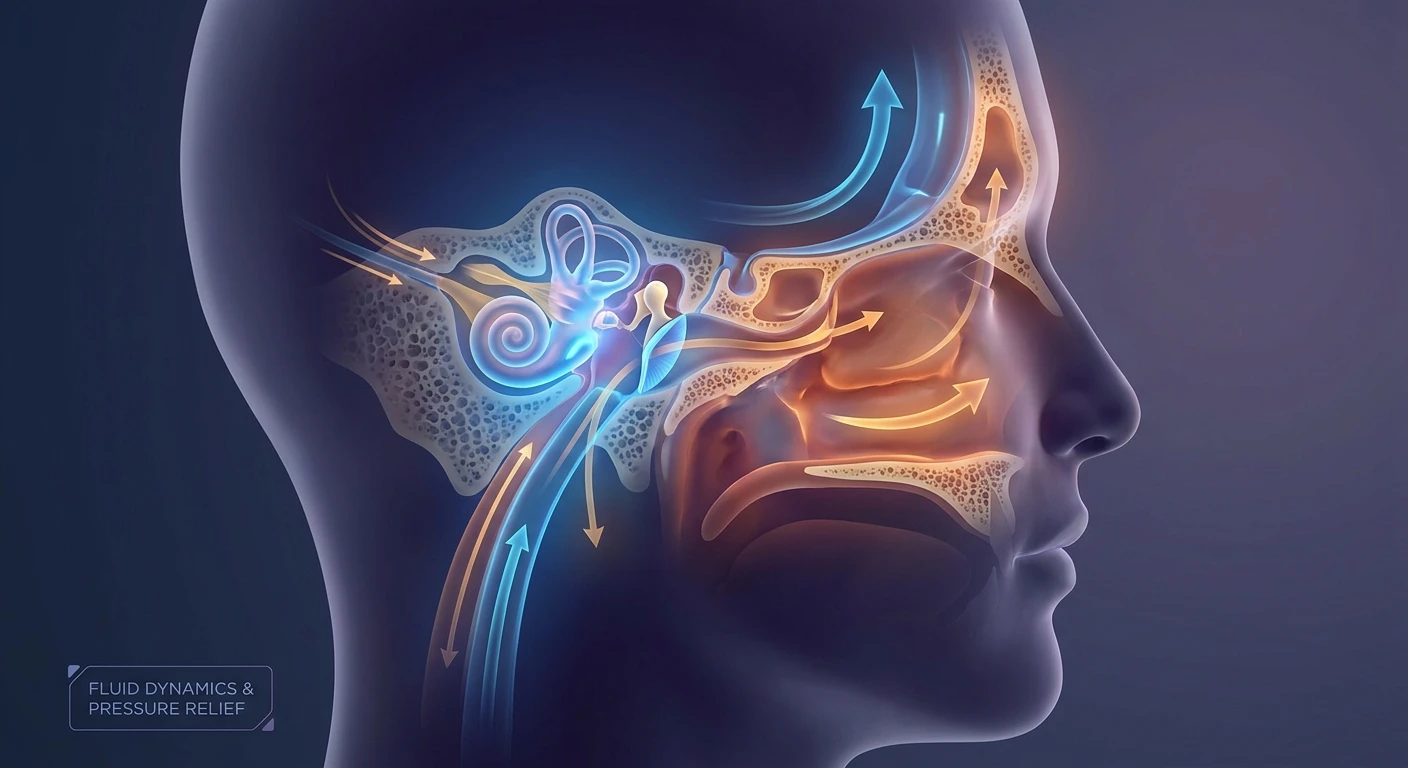
Figuring out exactly how to drain ear sinus fluid can provide immense relief when you are struggling with that uncomfortable, muffled sensation in your head. When nasal passages swell due to a cold, allergies, or an infection, the tiny channels connecting your upper throat to your middle ear—known as the Eustachian tubes—often become blocked. This blockage traps air and secretions, leading to a feeling of fullness, reduced hearing, and sometimes sharp pain. You might feel like you are walking around underwater. Addressing this discomfort requires a targeted approach to reduce inflammation and encourage natural drainage without damaging the delicate eardrum.
To successfully clear the blockage, you need a combination of mechanical maneuvers, hydration strategies, and appropriate therapies. The middle ear naturally produces small amounts of fluid to keep tissues healthy, but this liquid needs a clear escape route. When that route shuts down, negative pressure builds up, pulling even more liquid into the space. Regaining your auditory clarity and comfort means taking proactive, safe steps to re-open these vital biological pathways. By focusing on proven methods to thin mucus and relieve pressure, you can speed up the recovery process significantly.
Read also: Stop Ear Pain Covid Symptoms Fast; Finding the Best Cough Drops for Fast Throat Relief.
The Core Mechanics of Ear and Sinus Congestion
Before you apply any remedy, understanding the physiological link between your sinuses and ears is essential. The respiratory tract is lined with a continuous mucous membrane. When an allergen or virus attacks the nasal passages, the inflammation rapidly spreads to the back of the throat and up into the Eustachian tubes. Because these tubes are relatively narrow, even a minor amount of swelling can seal them entirely. The trapped liquid provides an ideal breeding ground for bacteria, which is why untreated congestion sometimes evolves into painful middle ear infections.
There are several distinct causes for this biological bottleneck, and each triggers the system slightly differently. Here is a breakdown of common conditions that lead to fluid retention:
| Underlying Condition | Primary Symptoms | Impact on Ear Fluid Drainage |
|---|---|---|
| Allergic Rhinitis | Clear nasal discharge, sneezing, itchy eyes | Histamine release swells the mucous membranes, narrowing the Eustachian tube. |
| Viral Respiratory Infection | Thick mucus, sore throat, low-grade fever | Viruses damage the cilia (hair cells) that normally sweep fluid away from the ear. |
| Acute Sinusitis | Facial pain, pressure, severe congestion | Heavy sinus inflammation creates a vacuum effect, pulling serous fluid into the middle ear. |
Effective relief relies on addressing the root cause. For instance, using targeted steam inhalation rapidly loosens thickened mucus by introducing warm moisture directly to the inflamed tissues. Similarly, swallowing or yawning engages the specific muscles of the throat designed to pull the Eustachian tube open momentarily, allowing trapped air and liquid to escape. To actively encourage drainage, you can rely on these foundational techniques:
- The Valsalva Maneuver: Pinch your nose tightly, close your mouth, and gently blow out as if clearing your nose. Do this very softly to avoid damaging your eardrums.
- The Toynbee Maneuver: Pinch your nose and take a sip of water, then swallow. The swallowing action combined with the closed airway helps pull the tubes open.
- Steam Therapy: Inhale vapor from a bowl of hot water or a hot shower for ten to fifteen minutes to thin the secretions blocking the drainage pathways.
- Warm Compresses: Apply a moist, warm cloth to the side of your head and neck to stimulate localized blood flow and relax tense muscles around the jaw and ear canal.
Anatomical Origins of Ear Fluid Buildup
The biological architecture of the human ear and sinus system is a marvel of evolutionary engineering, but it comes with inherent vulnerabilities. The Eustachian tube serves as the primary pressure-regulation valve for the skull. In healthy individuals, it remains closed to protect the middle ear from the loud sounds of our own breathing and speaking, opening only briefly when we swallow or yawn. The anatomical origins of fluid retention trace directly back to the physical dimensions of this tube. In adults, it runs at a steep downward angle, which relies heavily on gravity to drain cellular debris and normal secretions. When tissues swell, this narrow, angled canal simply collapses under the pressure.
Evolution of Ear Drainage Treatments
Humanity has battled earaches and congestion for millennia. Historically, treatments ranged from benign herbal remedies to downright dangerous practices. Ancient medical texts describe the use of heated oils poured directly into the ear canal—a practice that offered temporary soothing but did nothing to clear fluid trapped behind an intact eardrum. Later, the practice of ear candling emerged, falsely claiming to create a vacuum that pulls toxins out of the ear. Over the centuries, medical practitioners realized that the solution lay not in the outer ear canal, but in treating the nasal passages and the throat, marking a massive shift in how respiratory health was managed.
Modern State of Sinus and Ear Care
Today, medical science approaches ear fluid buildup with precision and safety. We now know that treating the interconnected sinus network is the only reliable way to clear the ears. The modern state of care relies on pharmaceutical interventions like steroidal nasal sprays to reduce tissue swelling at the cellular level, and oral decongestants that constrict blood vessels in the nasal mucosa. For chronic cases where the fluid refuses to drain and thickens over time—a condition known as otitis media with effusion—otolaryngologists perform minor outpatient procedures, such as inserting tympanostomy tubes to artificially bypass the blocked Eustachian system and restore normal hearing immediately.
The Mechanics of Eustachian Tube Dysfunction
To truly grasp how to clear congestion, you must look at the microscopic environment of the mucous membranes. The lining of the respiratory tract contains goblet cells that secrete mucus, and millions of microscopic hair-like structures called cilia. The cilia beat in a synchronized, wave-like motion to transport mucus toward the back of the throat where it can be swallowed safely. When a viral infection or allergic reaction occurs, inflammation disrupts this delicate ciliary escalator. The tissues become engorged with blood, physically crushing the passageway closed. As the oxygen inside the sealed middle ear is slowly absorbed by the surrounding blood vessels, a state of negative pressure is created. This vacuum acts like a suction cup, drawing serous fluid—a clear, watery liquid—straight out of the mucosal lining and into the hollow ear space.
Fluid Dynamics in the Cranial Cavities
The viscosity of the trapped liquid dictates how easily it will drain once the tube finally opens. Early in an illness, the fluid is usually thin and watery (transudate). If the blockage persists, goblet cells continue producing mucus, and the fluid becomes thick, sticky, and sometimes infected with bacteria (exudate). Managing these fluid dynamics requires specific physical and chemical interventions.
- The adult Eustachian tube sits at a 45-degree angle, making upright posture critical for gravity-assisted drainage.
- In young children, the tube is nearly horizontal, which is why pediatric ear infections are significantly more common.
- Normal mucociliary clearance moves mucus at a rate of roughly 5 to 6 millimeters per minute.
- Barotrauma, caused by sudden altitude changes like flying or scuba diving, can force the tube shut and instantly trap fluid if the pressure isn’t equalized quickly.
- Decongestant medications work by stimulating alpha-adrenergic receptors, causing swollen blood vessels to shrink and widening the physical airway.
Day 1: Immediate Hydration and Steam Therapy
Begin your recovery protocol by focusing entirely on thinning the mucus. Drink at least eight large glasses of water throughout the day. Dehydration causes your body to produce thick, sticky mucus that refuses to budge. Supplement your hydration with active steam inhalation. Boil a pot of water, remove it from the heat, drape a towel over your head, and breathe deeply through your nose for ten minutes. The vapor delivers direct heat and moisture to the swollen turbinates in your nasal passages, promoting an immediate loosening of secretions.
Day 2: Implementing Gentle Pressure Equalization
Once the mucus is slightly thinner, start incorporating physical maneuvers to coax the Eustachian tubes open. Practice the Valsalva maneuver gently a few times a day: pinch your nose, close your lips, and push air into your nasal cavity until you feel a soft pop in your ears. Do not force it. If it causes pain, stop immediately. You can also chew sugar-free gum vigorously; the constant, repetitive motion of your temporomandibular joint massages the muscles surrounding the tubes.
Day 3: Utilizing Over-the-Counter Decongestants
If physical methods and steam are not enough, introduce pharmacological support. Oral decongestants containing pseudoephedrine can dramatically reduce the swelling in your mucous membranes. Alternatively, a topical nasal decongestant spray can provide rapid relief by shrinking the tissues right at the opening of the Eustachian tube. Limit the use of medicated nasal sprays to no more than three consecutive days to prevent rebound congestion, a condition where the swelling returns worse than before.
Day 4: Adopting Warm Compresses and Positional Drainage
Apply external heat to soothe the muscular tension often associated with sinus pressure. Soak a washcloth in comfortably hot water, wring it out, and hold it against the side of your neck, just below your ear. At night, adjust your sleeping position. Elevate your head using an extra pillow to enlist gravity’s help. Lying flat causes blood to pool in the head, increasing nasal congestion. Propping yourself up allows the fluid to drain downward toward the throat.
Day 5: Dietary Adjustments for Mucus Reduction
Your diet can actively influence mucus production. Avoid dairy products, which many people find thicken their respiratory secretions. Steer clear of high-histamine foods like aged cheeses, fermented foods, and alcohol, as these can trigger mild allergic responses that prolong nasal swelling. Instead, consume warm broths, herbal teas with ginger and lemon, and spicy foods containing capsaicin, which naturally thins mucus and triggers a runny nose, helping clear the system.
Day 6: Saline Nasal Irrigation and Sinus Rinsing
Use a neti pot or a saline squeeze bottle to flush your nasal passages mechanically. Mix distilled or boiled water with a medical-grade saline packet. Lean over a sink, tilt your head sideways, and gently pour the solution into your upper nostril, letting it flow out the lower one. This physically washes away trapped allergens, lingering viruses, and stagnant mucus, heavily reducing the inflammatory burden on the Eustachian tube openings.
Day 7: Evaluating Progress and Seeking Medical Advice
By the seventh day, the pressure and fluid should be noticeably reduced. If you are still experiencing severe muffled hearing, sharp pain, or if you develop a fever, it is time to consult a healthcare professional. Persistent fluid can solidify into a glue-like consistency or develop into a severe bacterial infection requiring prescription antibiotics or minor surgical intervention. Listen to your body and recognize when home care has reached its limit.
Myths vs. Reality of Ear Fluid Drainage
Myth: Ear candling is a safe and highly effective way to remove sinus fluid from behind the eardrum.
Reality: Ear candling is scientifically debunked and entirely ineffective. It does not create a vacuum. Worse, it poses a severe risk of dropping hot wax into your ear canal or burning your skin, while doing absolutely nothing for the fluid trapped in the middle ear.
Myth: You should blow your nose as hard as humanly possible to force the ears to pop and clear the fluid.
Reality: Aggressive and forceful nose blowing generates massive pressure spikes in the nasal cavity. This can actually backfire, driving infected mucus deeper into the Eustachian tubes and worsening the blockage.
Myth: Using cotton swabs (Q-tips) deep in the ear canal will absorb the built-up fluid.
Reality: Cotton swabs only access the outer ear canal. Sinus-related fluid is trapped behind the waterproof physical barrier of the eardrum. Pushing a swab deeply into the ear only risks puncturing the eardrum and causing permanent damage.
Frequently Asked Questions & Conclusion
Can chewing gum really help drain ear fluid?
Yes. The repetitive action of chewing and swallowing engages the tensor veli palatini muscle, which mechanically pulls the Eustachian tube open to let air in and fluid out.
How long does ear fluid typically take to drain?
Minor fluid buildup from a cold might resolve in a few days. However, severe congestion can take several weeks to completely drain, depending on the level of inflammation.
Does sleeping on one specific side help drain the ear?
If only one ear is blocked, sleeping on the affected side can sometimes allow gravity to assist in pulling the fluid out, but keeping your head elevated is generally more effective.
Are corticosteroid nasal sprays effective for ear congestion?
Yes. Over-the-counter steroid sprays reduce the chronic inflammation in the nasal passages, which slowly opens the pathway to the ears over a period of a few days.
When should I immediately see a doctor for ear fluid?
Seek medical attention if the congestion is accompanied by severe, unrelenting pain, high fever, fluid draining from the outer ear, or if symptoms last longer than two weeks.
Does eating spicy food help clear ear fluid?
Spicy foods containing capsaicin act as natural expectorants. They stimulate the mucous membranes, thinning out thick secretions and temporarily making drainage easier.
Can cardiovascular exercise help open Eustachian tubes?
Light aerobic exercise increases heart rate and blood flow, and releases adrenaline, which acts as a natural decongestant, often opening up blocked nasal and ear passages temporarily.
Navigating the discomfort of blocked ears requires patience and the right combination of physical and internal therapies. By understanding the anatomical connection between your sinuses and your middle ear, you can apply these proven techniques safely and effectively. Keep your head elevated, stay heavily hydrated, utilize gentle pressure equalization, and support your body’s natural healing mechanisms. If you consistently apply this advice, you will conquer the congestion. Start your hydration and steam therapy today, and take the first active step toward regaining clear hearing and total comfort.





Leave a Reply