

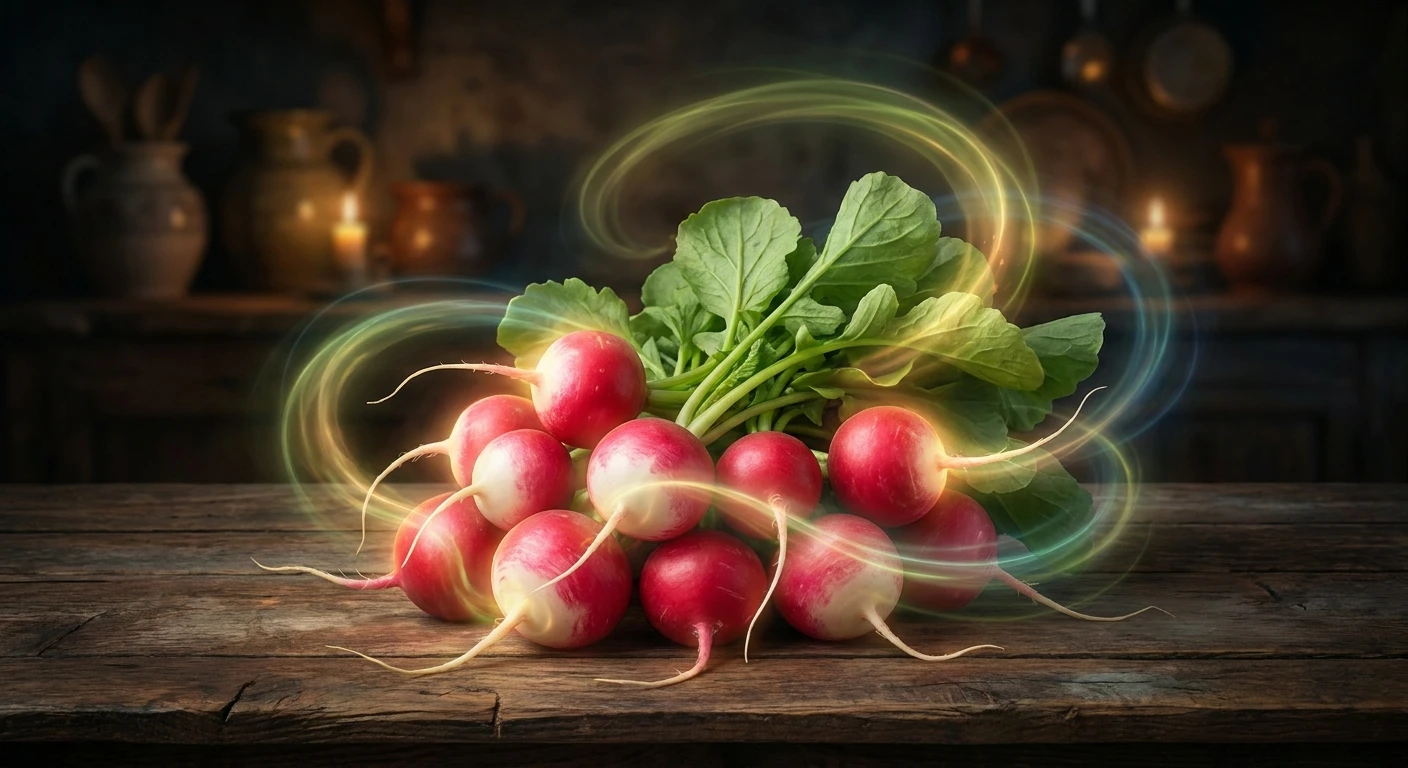
Unlocking the Health Benefits of Radishes
Listen, you might overlook that bright red bunch sitting in the produce section, but the health benefits of radishes are absolutely no joke. When evaluating the crisp, peppery vegetables available at your local market, these vibrant roots often get ignored in favor of more famous superfoods. That is a massive missed opportunity for your daily nutrition. As part of the Brassicaceae family, which also includes powerhouse vegetables like broccoli and kale, they bring an incredible arsenal of nutrients, antioxidants, and digestive aids straight to your plate. If you are serious about optimizing your physical well-being, enhancing your digestion, and keeping your hydration levels peaked, you need to pay attention to this humble root. They are practically bursting with vitamin C, essential minerals, and unique phytochemicals that actively work to protect your cells from daily damage. Forget about treating them as just a boring salad garnish; it is time to treat them as a primary functional food. The sheer physiological advantages of eating these crunchy vegetables regularly are backed by solid nutritional science, and by the time you finish reading this breakdown, you will completely change how you stock your kitchen.
Core Nutritional Impact and Dietary Value
Let us get right down to the hard facts and the sheer nutritional density of these peppery roots. The core value proposition here is simple: you get maximum nutrient delivery with minimal caloric intake. Whether you are an endurance athlete looking for quick cellular hydration or a busy professional trying to keep your immune system strong through the winter, this vegetable delivers on multiple fronts. For example, snacking on them between meals provides a satisfying crunch that halts junk food cravings while supplying an immediate hit of dietary fiber. Alternatively, tossing them into a heavy, rich meal acts as a natural palate cleanser and digestive aid, breaking down fats more efficiently.
Read also: Discover the healthiest rice to eat for Nutrition; Why You Must Try Chia Seeds in Water.
| Nutrient (Per 100g) | Concentration | Primary Physiological Action |
|---|---|---|
| Vitamin C | 14.8 mg | Neutralizes free radicals and synthesizes collagen |
| Potassium | 233 mg | Regulates fluid balance and vascular tension |
| Folate (Vitamin B9) | 25 mcg | Facilitates DNA synthesis and cellular repair |
| Dietary Fiber | 1.6 g | Promotes gut motility and stabilizes blood sugar |
To fully grasp what this means for your body, consider these three primary functional benefits:
- Enhances Digestive Efficiency: The high water and fiber content work together to maintain smooth bowel movements. Additionally, the specific sulfur compounds present stimulate bile production in the liver, which is essential for digesting complex fats.
- Supports Deep Cellular Hydration: Because they are composed of about 95% water, they actively hydrate your tissues. This is not just about quenching thirst; it is about delivering moisture carrying trace minerals directly into your cells to keep your skin glowing and your muscles functioning.
- Fortifies Immune Defense: The dense concentration of antioxidants, specifically anthocyanins (which give the skin its red color), directly combats oxidative stress. This reduces systemic inflammation and leaves your immune system with more energy to fight off invading pathogens.
Origins in Antiquity
You might think of them as just a modern supermarket staple, but their story actually goes way back to the earliest days of human agriculture. Historians have traced their wild ancestors to Southeast Asia, where ancient farmers first noticed the robust, fast-growing nature of the plant. Before long, these early cultivators realized the roots were not only edible but offered a reliable source of hydration and energy. By the time the ancient Egyptians were building the pyramids, radishes were a major part of the laborers’ daily rations. The builders relied on them alongside onions and garlic to prevent illness and sustain their stamina under the harsh sun. The ancient Greeks even valued them so highly that they reportedly offered them in solid gold replicas at the temple of Apollo.
Evolution Across Continents
As trade routes expanded, so did the cultivation of this resilient crop. The Romans were particularly instrumental in spreading different varieties across Europe. Pliny the Elder, the famous Roman author and naturalist, documented numerous types and sizes, noting their varied medicinal applications. Fast forward to the Renaissance, and European botanists were selectively breeding them to create the small, round, bright red varieties we are most familiar with today. Meanwhile, in East Asia, farmers took a different route, cultivating the massive, mild-flavored daikon radishes that became foundational to Japanese, Korean, and Chinese culinary traditions. This geographical split created a fascinating diversity in shape, color, and flavor profiles.
Modern State of Cultivation
Today, this vegetable is a global phenomenon, grown on nearly every continent. Because they mature so quickly—often going from seed to harvest in just three to four weeks—they are a favorite among both commercial farmers and backyard gardeners. The modern agricultural market sees thousands of tons harvested annually, ranging from the spicy Spanish black varieties to the delicate French breakfast types. Advanced farming techniques have optimized their growth to ensure a year-round supply, meaning you can access their nutritional benefits regardless of the season. They have truly transitioned from ancient survival food to a modern symbol of fresh, accessible nutrition.
Phytochemical Breakdown
For all the science enthusiasts out there, the biological mechanics behind these roots are absolutely fascinating. The distinct, peppery bite you experience is not just a flavor profile; it is a chemical defense mechanism. This vegetable belongs to the cruciferous family, meaning it is packed with glucosinolates. When you chew the root, you break the plant’s cell walls, initiating a rapid chemical reaction. The glucosinolates mix with an enzyme called myrosinase, immediately converting into powerful compounds known as isothiocyanates. These are the exact molecules responsible for that sharp nasal clearing sensation.
The Myrosinase Mechanism
Why should you care about isothiocyanates? Because they are biochemical superstars when it comes to human health. Once ingested, they interact with your body’s cellular pathways in highly specific ways. They signal your liver to produce detoxifying enzymes and actively interrupt inflammatory signaling within your tissues. Here is a breakdown of the scientific facts surrounding this mechanism:
- Isothiocyanates activate the Nrf2 pathway in human cells, which is the master regulator of antioxidant genes.
- This activation increases the production of glutathione, the body’s most potent endogenous antioxidant.
- The presence of the myrosinase enzyme is highly sensitive to heat, meaning raw consumption yields the highest concentration of active isothiocyanates.
- Anthocyanins present in the red skin work synergistically with these sulfur compounds to protect cardiovascular endothelial cells from lipid peroxidation.
Day 1: Fresh Crunch Hydration
Starting your week requires maximum energy and hydration. On day one, keep it incredibly simple. Wash a handful of fresh red radishes, slice them thinly, and toss them into your midday salad or eat them whole as a snack with a pinch of sea salt. This raw consumption maximizes the myrosinase enzyme activity, giving you the strongest possible dose of those cancer-fighting isothiocyanates and ensuring your afternoon hydration levels stay perfectly balanced.
Day 2: Roasted Roots
By day two, you might want to switch up the flavor profile. Roasting them fundamentally changes their chemical structure. Toss whole or halved pieces in a little olive oil and roast at 400 degrees Fahrenheit for 20 minutes. The heat neutralizes the sharp, peppery enzymes and caramelizes the natural sugars, resulting in a sweet, mellow, and tender side dish. While you lose some vitamin C to the heat, you make the dietary fiber much easier on a sensitive digestive tract.
Day 3: Pickled Perfection
Day three is all about gut health. Quick-pickling sliced radishes in a mixture of water, apple cider vinegar, and a touch of honey creates an incredible condiment. The acetic acid in the vinegar extracts the vibrant pink color, turning the whole jar a beautiful hue. Eating these pickled slices with your lunch not only adds a bright, tangy crunch to sandwiches or tacos but also provides a mild probiotic boost to support your intestinal microbiome.
Day 4: Smoothie Booster
Do not throw away the leafy tops! On day four, focus on the greens. Radish leaves are actually more nutritionally dense than the roots themselves, containing massive amounts of calcium, iron, and vitamin K. Toss a handful of the thoroughly washed green tops into your morning green smoothie. They have a mild, slightly earthy flavor that blends perfectly with spinach, green apples, and a squeeze of lemon juice, offering a massive morning energy surge.
Day 5: Sprouted Seeds
For day five, we look at the earliest stage of the plant’s life. Radish sprouts (microgreens) are highly concentrated sources of vitamins and antioxidants. In fact, microgreens can contain up to 40 times the nutrient levels of the mature plant. Sprinkle a generous handful of these spicy little sprouts over your avocado toast or morning eggs. They deliver a potent, concentrated dose of sulforaphane, directly supporting liver detoxification.
Day 6: Radish Greens Pesto
By the weekend, it is time to get creative. Take whatever leftover green tops you have and blend them with garlic, pine nuts (or walnuts), parmesan cheese, and high-quality olive oil. This radish leaf pesto is vibrant, slightly peppery, and incredibly rich in fat-soluble vitamins. Toss it with whole-grain pasta or use it as a robust spread on a grilled chicken sandwich. It is a brilliant way to ensure zero food waste while maximizing your nutritional intake.
Day 7: Fermented Kimchi Style
End the week by leaning into traditional preservation methods. Daikon radish is a primary ingredient in many types of kimchi. Eating traditionally fermented daikon provides your digestive system with a massive dose of live lactic acid bacteria. This active fermentation process essentially pre-digests the carbohydrates, making the nutrients instantly bioavailable while severely crowding out bad bacteria in your gut lining. A small side of this with your Sunday dinner will set your digestion up perfectly for the week ahead.
Debunking Common Radish Myths
Myth: They are just spicy water and have basically zero nutritional value.
Reality: While they are high in water, they are incredibly dense in vitamin C, potassium, and unique sulfur-based antioxidants that actively repair cellular damage.
Myth: The green leafy tops are toxic and must be thrown away immediately.
Reality: The greens are completely safe, highly nutritious, and often contain more vitamins and minerals (like calcium and iron) than the actual root.
Myth: Eating them raw will automatically cause severe heartburn.
Reality: While the peppery spice can be strong, they actually stimulate healthy digestive juices. If you have a sensitive stomach, simply roasting them removes the bite entirely while keeping the fiber.
Myth: Only the standard small red ones are good for you.
Reality: Every variety, from the massive white Daikon to the black Spanish radish, offers profound health benefits. Black varieties, in particular, are intensely beneficial for liver function.
Can you eat radishes every single day?
Absolutely. They are low in calories and high in water and fiber. Eating them daily is an excellent way to maintain steady vitamin C levels and support regular bowel movements without overloading on calories.
Are black radishes actually better for your liver?
Yes, traditional and modern herbalism both recognize black radishes for their high concentration of specific glucosinolates, which heavily stimulate bile production and assist the liver in clearing out toxins efficiently.
Do they help regulate high blood pressure?
They can certainly help. The high potassium content acts as a vasodilator, meaning it helps relax your blood vessels and improves blood flow, which naturally assists in managing blood pressure levels.
What happens to the nutrients when you roast them?
Roasting breaks down the sharp myrosinase enzyme, eliminating the spicy bite. While you will lose a small percentage of heat-sensitive Vitamin C, you retain all the dietary fiber, potassium, and essential minerals.
Are daikon radishes totally different nutritionally?
Not entirely. Daikon belongs to the same family and offers a very similar nutrient profile. The main difference is daikon is milder, larger, and often contains specific digestive enzymes like diastase, which helps break down complex carbohydrates.
Can dogs safely eat them?
Yes, in moderation. They are non-toxic to dogs and provide a good crunch. However, because of the spicy flavor, many dogs might just spit them out. Always cut them into small pieces to prevent choking.
Do they interact negatively with any medications?
For the vast majority of people, they are perfectly safe. However, because they can stimulate bile production, individuals with active gallstones should consume them cautiously and consult a doctor if they experience discomfort.
Ultimately, making the decision to incorporate these brilliant root vegetables into your daily routine is one of the easiest, most cost-effective ways to upgrade your diet. The health benefits of radishes go far beyond a simple crunch; they are a complex, deeply nutritious food that supports everything from cellular hydration to robust immune defense. Do not wait for the perfect recipe. Go grab a fresh bunch, wash them off, and start experiencing this spicy, satisfying superfood today!





Leave a Reply