

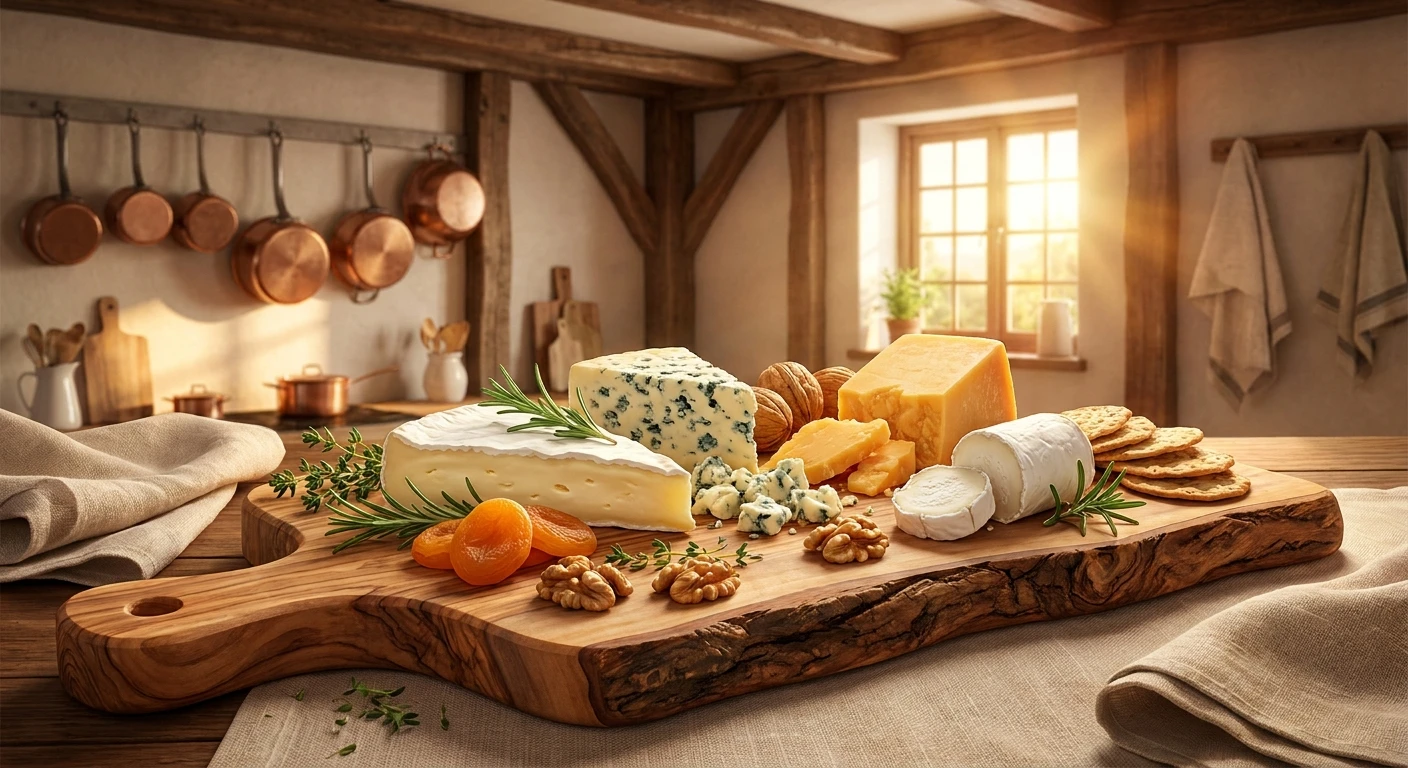
Everything You Need to Know About Low Carb Cheese
Finding a truly excellent low carb cheese is often the biggest game-changer for anyone trying to reduce sugar and carbohydrate intake. If you are tracking your macronutrients closely, you already know that dairy can be a minefield of hidden sugars. However, selecting the right low carb cheese allows you to enjoy rich, savory flavors without spiking your blood glucose or derailing your dietary progress. Cheese is naturally rich in fats and proteins, making it an ideal staple for ketogenic, Atkins, and other carbohydrate-conscious regimens. Yet, not all blocks, slices, and shreds are created equal. The carbohydrate content in any dairy product depends entirely on how it is processed, fermented, and aged. When milk is converted into cheese, bacteria consume the natural milk sugars, known as lactose. The longer this fermentation and aging process continues, the fewer carbohydrates remain in the final product. You want a snack that keeps you full, provides essential calcium, and fits perfectly into your daily macro limits. By understanding the nuances of different dairy varieties, you can make informed choices at the grocery store, avoiding the heavily processed options that rely on fillers and starches. This comprehensive guide provides all the factual information required to navigate the cheese counter confidently, ensuring you maximize flavor while strictly minimizing your carbohydrate footprint.
The Core Benefits and Nutritional Profile
Incorporating dairy into a restricted diet requires a firm grasp of nutritional science. The primary benefit of choosing optimal dairy products is the high satiety factor provided by the fat and protein combination. When you consume foods rich in these two macronutrients, your digestive system processes them slowly, which prevents the rapid energy crashes associated with carbohydrate-heavy meals. Furthermore, quality dairy offers an excellent source of bioavailable calcium, phosphorus, and fat-soluble vitamins like Vitamin A and Vitamin K2. The value proposition here is clear: you get a nutrient-dense food that acts as a flavor enhancer, a structural ingredient for baking, and a standalone snack, all without contributing significantly to your daily carbohydrate limit. For example, using a sharp aged Cheddar can elevate a simple plate of eggs, while a dollop of cream cheese can completely alter the texture of a sauce, making it rich and velvety. Below is a breakdown of popular options and their typical macronutrient profiles.
Read also: The Ultimate Guide to the Lowest Carb Cheese; Best Keto Fruit Options for Low-Carb Diets.
| Cheese Type | Carbs per 1oz (28g) | Best Culinary Use |
|---|---|---|
| Parmesan (Aged) | 0.9g | Grated over salads and roasted vegetables |
| Brie | 0.1g | Baked as a warm appetizer or eaten with nuts |
| Mozzarella (Whole Milk) | 0.6g | Melting over low-carb pizzas and casseroles |
| Cream Cheese (Full Fat) | 1.0g | Base for keto desserts and thick sauces |
| Cheddar (Sharp) | 0.4g | Sliced for snacking or melted into omelets |
To maximize the benefits of these foods while adhering to your dietary restrictions, follow these actionable guidelines:
- Monitor your portion sizes strictly: Even though the carbohydrate count is minimal, calories accumulate rapidly, and overconsumption can stall your progress.
- Always buy block cheese instead of pre-shredded bags: Manufacturers coat pre-shredded products in potato starch or cellulose to prevent clumping, which silently adds unnecessary carbohydrates to your meal.
- Pair your dairy with high-fiber vegetables: Combining fats with fibrous greens like spinach or broccoli improves digestion and enhances the absorption of fat-soluble vitamins.
- Prioritize full-fat versions over low-fat alternatives: Low-fat dairy products routinely compensate for the missing fat by adding extra sugars and carbohydrates to improve the texture and taste.
The Origins of Dairy Fermentation
The practice of crafting dairy into storable, nutrient-dense blocks dates back thousands of years. Early nomadic tribes discovered fermentation by accident when they stored fresh animal milk in containers made from animal stomachs. These natural containers contained rennet, an enzyme that causes milk to coagulate and separate into solid curds and liquid whey. This ancient preservation method inherently created a product with fewer sugars than fresh milk. Before modern refrigeration, humanity needed a reliable way to store the nutritional bounty of the spring and summer milk yields for the harsh winter months. The process of pressing the curds, heavily salting them, and leaving them to age in cool caves naturally depleted the lactose content, creating the very first iteration of what we now recognize as a carbohydrate-restricted food staple.
Evolution of Artisanal Cheese Making
As civilizations advanced, so did the sophistication of dairy fermentation. During the Middle Ages, European monks in isolated monasteries became master artisans of the craft. They meticulously documented the effects of temperature, humidity, and specific bacterial strains on the final product. These monks are credited with refining many of the hard, aged varieties we consume today, such as early forms of Parmesan and Gouda. Because these wheels were aged for months or even years in highly controlled cellar environments, the lactic acid bacteria had ample time to consume nearly all the available lactose. The result was a hard, crystalline structure that was virtually devoid of carbohydrates. This historical evolution was driven by the necessity for long-term preservation, but it inadvertently created the perfect macronutrient profile for modern dietary protocols.
The Modern State of Keto-Friendly Dairy
Currently, the dairy industry is highly optimized, producing an overwhelming variety of options for consumers. The resurgence of low-carbohydrate and ketogenic lifestyles has shifted market demand significantly. Consumers are now actively seeking out traditionally aged, high-fat dairy over the heavily processed, low-fat products that dominated the late twentieth century. Artisanal cheese makers are highlighting their long aging processes, explicitly marketing the low lactose content of their products to health-conscious buyers. However, this modern industrial scale also means that highly processed cheese products—often labeled as pasteurized prepared cheese products—are widely available. These items frequently contain added whey powders, emulsifiers, and artificial flavorings that can introduce hidden sugars. Therefore, modern consumers must remain vigilant, reading nutritional labels meticulously to ensure they are purchasing authentic, traditionally fermented dairy rather than highly engineered substitutes.
Lactose Conversion and Lactic Acid Bacteria
Understanding the precise biochemical mechanics of dairy fermentation clarifies exactly why certain options fit your macros while others do not. Milk naturally contains a disaccharide sugar called lactose. When a cheese maker introduces starter cultures to fresh milk, these specific strains of bacteria—such as Lactococcus lactis or Streptococcus thermophilus—begin to metabolize the lactose. As the bacteria consume the sugar, they produce lactic acid as a byproduct. This acidification is the primary catalyst that gives the product its characteristic tang and helps separate the solid curds from the liquid whey. Because the majority of the lactose is either consumed by the bacteria or drained away with the liquid whey, the remaining solid curd is inherently low in carbohydrates. The longer this bacterial activity is allowed to continue during the aging phase, the closer the carbohydrate count drops toward zero.
The Moisture-to-Carbohydrate Ratio
Moisture content is the most reliable predictor of carbohydrate density in any dairy product. As a general biochemical rule, water retains residual lactose. Therefore, softer, wetter varieties will naturally possess slightly more carbohydrates than their hard, aged counterparts. The pressing and aging phases of production are designed to expel moisture. As a wheel ages in a climate-controlled room, evaporation occurs, concentrating the fats and proteins while further reducing the trace amounts of milk sugar. This is why aged Parmesan has a crystalline, crumbly texture and almost zero carbohydrates, whereas fresh ricotta or cottage cheese retains a softer texture and a higher carbohydrate load.
- Fresh milk contains approximately 12 grams of carbohydrates per one-cup serving.
- The initial separation of whey removes roughly 80 percent of the original lactose content.
- During a 12-month aging process, moisture evaporates rapidly, dropping the carbohydrate count of hard cheeses to under 1 gram per serving.
- Soft cheeses like Camembert and Brie rely on a surface mold (Penicillium candidum) which alters the pH and breaks down the structure, keeping them low carb despite their high moisture content.
- Cottage cheese retains the most moisture and whey, typically resulting in 3 to 4 grams of carbohydrates per half-cup serving.
Day 1: Sharp Cheddar Starters
Starting your week with a reliable staple sets a strong foundation. Sharp Cheddar is universally accessible, incredibly flavorful, and perfectly aligned with your macronutrient goals. For your first day, use a sharp, aged Cheddar to create a simple snacking plate. Pair one ounce of sliced Cheddar with a handful of raw almonds and a few slices of cured pepperoni. This combination requires zero cooking, provides immediate energy, and keeps your blood sugar completely stable through the afternoon.
Day 2: The Brie and Bacon Combo
Brie offers a luxurious, creamy texture with virtually zero carbohydrates. Because it is a soft-ripened cheese, it melts beautifully. On the second day, place a small wedge of Brie in a baking dish, top it with crumbled, crispy bacon, and bake it at 350 degrees Fahrenheit until it becomes completely molten. Use celery sticks or cucumber slices to scoop up the melted mixture. The high fat content of the Brie combined with the savory crunch of the bacon provides an incredibly satiating meal.
Day 3: Feta for Fresh Salads
Feta provides a bright, briny contrast to heavy meats and fats. Originating in Greece, traditional Feta is made from sheep or goat milk and cured in a salty brine. For day three, construct a large, nutrient-dense Mediterranean salad. Toss two cups of fresh spinach with olive oil, a squeeze of lemon juice, some Kalamata olives, and a generous crumble of full-fat Feta. The acidity and saltiness of the Feta instantly elevate the raw greens without adding any significant carbohydrate load.
Day 4: Mozzarella Melting Masterclass
Whole milk Mozzarella is the ultimate melting cheese for low-carbohydrate cooking. It is mild, stretchy, and highly versatile. On day four, focus on creating a keto-friendly pizza alternative. Slice zucchini into thick rounds, brush them with olive oil, and roast them until tender. Top each zucchini round with a spoonful of sugar-free tomato sauce and a thick slice of whole milk Mozzarella. Broil the rounds until the dairy is bubbling and slightly browned for a perfect, low-carb comfort food experience.
Day 5: Parmesan Crisps Preparation
Aged Parmesan is the undisputed champion of the zero-carb category. Its hard, crystalline texture makes it perfect for creating crunchy snacks that replace traditional potato chips. Grate a block of fresh Parmesan and place small, circular mounds of the grated shreds onto a parchment-lined baking sheet. Bake them at 400 degrees Fahrenheit for about five minutes until the edges turn golden brown. Once they cool, these crisps provide a massive crunch and intense umami flavor, perfect for dipping into guacamole or eating plain.
Day 6: Cream Cheese Fat Bombs
Cream cheese is a critical ingredient for low-carbohydrate desserts because of its smooth texture and high fat density. On day six, prepare a batch of sweet fat bombs to curb any lingering sugar cravings. Blend one block of softened, full-fat cream cheese with a few tablespoons of unsweetened cocoa powder, a splash of vanilla extract, and your preferred zero-calorie sweetener. Roll the mixture into small bite-sized balls and chill them in the refrigerator. These treats deliver rich chocolate flavor while maintaining strict macro compliance.
Day 7: Goat Cheese and Herb Platter
Finish the week with the sharp, earthy flavors of Chèvre, or fresh goat cheese. Goat milk naturally contains slightly smaller fat globules, making it highly digestible for many people who struggle with cow dairy. On day seven, take a fresh log of goat cheese and roll it in finely chopped fresh herbs like dill, parsley, and thyme, along with some crushed walnuts. Serve this elegant, herbaceous log alongside raw bell pepper strips for a sophisticated, highly nutritious weekend snack.
Myth: All cheese is completely zero carb.
Reality: While many hard and aged varieties are virtually free of carbohydrates, fresh dairy products like ricotta, cottage cheese, and certain milk-heavy soft cheeses can contain 3 to 6 grams of carbohydrates per serving due to retained lactose.
Myth: Pre-shredded cheese has the exact same macros as block cheese.
Reality: Manufacturers coat pre-shredded cheese in anti-caking agents like potato starch, cornstarch, or cellulose. These powders can add up to 2 grams of hidden carbohydrates per cup, which quickly adds up in large recipes.
Myth: You can eat unlimited amounts of dairy on a ketogenic diet.
Reality: Dairy is incredibly calorie-dense. While it fits the carbohydrate restrictions perfectly, eating unlimited quantities will result in a massive caloric surplus, which will completely halt weight loss efforts and can lead to digestive discomfort.
Myth: Soft cheeses are always higher in carbohydrates than hard cheeses.
Reality: This is generally true for fresh cheeses, but mold-ripened soft cheeses like Brie and Camembert have almost zero carbohydrates because the ripening process efficiently consumes the lactose.
Myth: Pasteurized processed cheese slices are great for low carb diets.
Reality: Highly processed American cheese slices often contain added milk protein concentrates, whey powders, and sometimes actual sugar, pushing their carbohydrate counts much higher than natural, aged cheddar.
What is the lowest carb cheese available?
Aged hard cheeses like Parmesan, Pecorino Romano, and mature Gruyère contain the fewest carbohydrates. Because they are aged for extended periods, the moisture evaporates and the lactic acid bacteria consume nearly all the lactose, leaving less than one gram of carbohydrates per ounce.
Can lactose-intolerant people eat these cheeses?
Yes, many people with lactose intolerance can comfortably digest aged hard cheeses. The fermentation and aging processes eliminate almost all the lactose. However, very fresh, wet cheeses like ricotta or cottage cheese still contain significant lactose and may trigger symptoms.
Does melting cheese change its carbohydrate count?
No, applying heat to melt dairy does not alter its macronutrient profile. The carbohydrates, fats, and proteins remain exactly the same whether the product is consumed cold right out of the refrigerator or melted over a hot dish.
Is American cheese considered low carb?
It depends entirely on the brand and the manufacturing process. Genuine American cheese made by blending cheddar and Colby is relatively low in carbohydrates. However, highly processed “cheese products” often contain extra whey and emulsifiers, pushing the carbohydrate count to 2 or 3 grams per slice.
Why do some cheeses taste sweeter than others?
Certain varieties, like traditional Norwegian Gjetost or some young Goudas, retain more natural milk sugars. Additionally, some manufacturers add actual sugar or fruit to specialty dessert cheeses. Always check the nutritional label if the product tastes noticeably sweet.
How should I store hard cheeses?
Hard varieties should be wrapped tightly in parchment paper or specialized cheese paper, then placed inside a loosely sealed plastic bag in the crisper drawer of your refrigerator. This allows the dairy to breathe slightly while preventing it from drying out completely or absorbing other refrigerator odors.
Are vegan cheeses low carb?
Vegan alternatives are highly variable. Many are made from cashew or almond bases, which naturally contain more carbohydrates than dairy milk. Furthermore, some commercial vegan brands use tapioca starch or potato starch to mimic the melting properties of real dairy, significantly increasing the carbohydrate load.
Can I freeze low carb dairy products?
You can freeze harder varieties, but the freezing process alters the structural integrity of the fat and protein matrix. When thawed, the cheese will become crumbly and lose its ideal texture. Frozen dairy is best reserved for cooking and melting rather than eating fresh.
How does the aging process affect macronutrients?
As a wheel ages, water evaporates, which concentrates the fat and protein per ounce. Simultaneously, the active bacterial cultures continue to feed on any remaining trace sugars. Therefore, a 24-month aged Cheddar will have fewer carbohydrates and slightly more fat per ounce than a mild, 3-month aged Cheddar.
Managing your macronutrients does not mean sacrificing incredible flavor or culinary variety. By focusing on traditionally fermented, aged dairy products, you can maintain strict adherence to your dietary protocols while enjoying rich, satiating meals. Always prioritize block varieties over pre-shredded options, monitor your portions to control caloric intake, and leverage the unique melting and binding properties of different cheeses in your daily cooking. From crunchy Parmesan crisps to creamy Brie appetizers, the options are vastly diverse and highly functional. Check your refrigerator, ditch the starchy processed slices, and start upgrading your daily menu with authentic, nutrient-dense dairy. Share this guide with your keto friends and start planning your perfect low-carb meal prep today!





Leave a Reply