

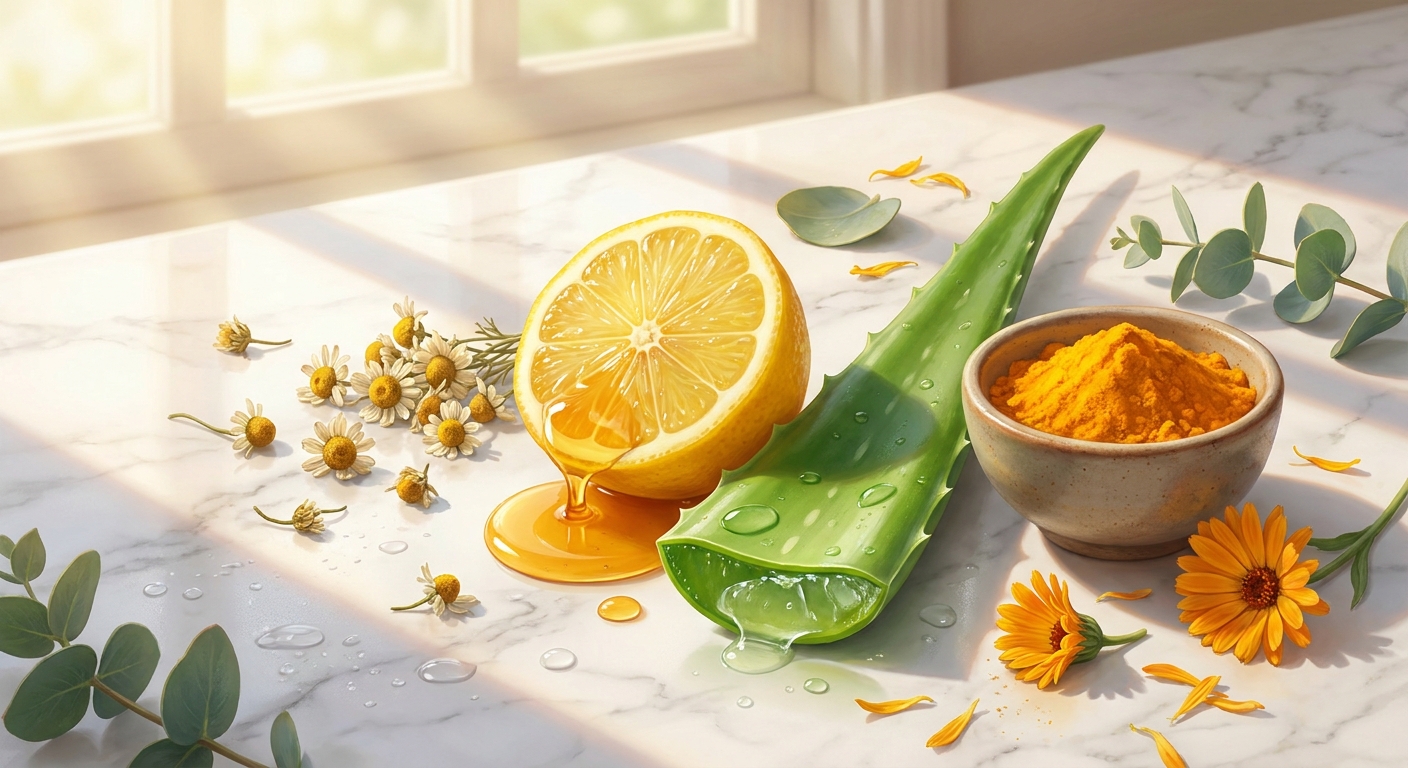
Here is exactly how to remove age spots naturally
Are you wondering how to remove age spots naturally without resorting to harsh chemical peels or dropping thousands on painful laser treatments? Look, I completely get the frustration. You wake up one morning, look in the mirror, and suddenly notice those little brown patches scattered across your cheeks or the back of your hands. They seem to appear out of thin air, but they are actually the result of years of sun exposure catching up with you.
When I was visiting my grandmother in Kyiv last summer, we were sitting in her kitchen drinking herbal tea when I complained about a stubborn dark spot on my forehead. Instead of sending me to a dermatologist, she pulled out an old, weathered notebook filled with handwritten herbal recipes. Even in her late seventies, her skin was incredibly clear and even-toned. I started testing her traditional botanical methods on my own sun damage, and the results completely changed my perspective on skincare.
You do not need synthetic bleaches to achieve an even complexion. Nature has already provided us with potent acids, powerful antioxidants, and effective tyrosinase inhibitors. You just need to know how to mix them and when to apply them. Consistency is your best friend here. We are going to walk through exactly what you need to do to fade those marks using ingredients you probably already have in your kitchen.
The Core Benefits and Mechanics of Botanical Treatments
Going the natural route is not just about saving money; it is about protecting the long-term health and structural integrity of your skin barrier. Commercial bleaching creams often contain hydroquinone, an ingredient that can cause severe irritation, redness, and in some rare cases, a bluish-black discoloration of the skin. Natural remedies work differently. They gently encourage cellular turnover and gradually break down the melanin deposits without inducing massive inflammation.
Let me give you a couple of practical examples. First, consider apple cider vinegar. It is packed with acetic acid, which acts as a very mild chemical exfoliant, slowly dissolving the dead, pigmented skin cells on the surface. Second, think about pure aloe vera gel. It contains a compound called aloesin, which actively inhibits the overproduction of melanin in hyperpigmented areas. These are not just old wives’ tales; they are biochemically proven mechanisms.
Take a look at this breakdown of the most common kitchen remedies, their active compounds, and realistic timelines for results:
| Natural Remedy | Active Skin-Brightening Compound | Average Time to See Fading |
|---|---|---|
| Fresh Lemon Juice | Citric Acid & Vitamin C | 3 to 5 weeks |
| Apple Cider Vinegar | Acetic Acid & Alpha Hydroxy Acids | 4 to 6 weeks |
| Raw Aloe Vera Gel | Aloesin & Salicylic Acid | 5 to 8 weeks |
| Yogurt or Buttermilk | Lactic Acid | 4 to 6 weeks |
To get the absolute most out of these ingredients, you cannot just slap them on a dirty face. You need a proper preparation protocol. Here is how you prep your skin before applying any natural lightening treatment:
- Cleanse meticulously: Wash your face with a gentle, non-stripping cleanser to remove all makeup, sunscreen, and daily grime. Natural acids cannot penetrate a layer of silicone-based foundation.
- Open the pores with a warm compress: Soak a clean washcloth in warm water and press it gently against your face for two minutes. This softens the top layer of the epidermis.
- Exfoliate lightly: Use an incredibly gentle physical scrub—like finely ground oatmeal mixed with water—to buff away loose dead skin cells.
- Balance the pH: Swipe a very diluted rosewater or chamomile tea across the skin to ensure your pH is neutral before applying stronger botanical acids.
The Origins of Botanical Skincare
People have been fighting hyperpigmentation for thousands of years. Long before we had aesthetic clinics, ancient civilizations were utilizing the exact same active ingredients we use today. The ancient Egyptians were famous for their sour milk baths. Cleopatra supposedly used this method regularly. Sour milk is rich in lactic acid, a deeply hydrating alpha hydroxy acid that gently dissolves the glue holding dead, pigmented cells together.
In Ayurvedic medicine, which originated in the Indian subcontinent, turmeric has been the gold standard for brightening skin for over four thousand years. Traditional brides still use turmeric paste before their weddings to achieve a radiant, even glow. Meanwhile, in traditional Slavic herbalism, chamomile and licorice root were regularly brewed into strong teas and applied as compresses to soothe sun-damaged skin after long days working in the fields.
The Evolution of Spot Treatments
Fast forward to the late 20th century, and the beauty industry shifted heavily toward synthetics. The 1990s and 2000s were dominated by harsh chemical peels, aggressive lasers, and hydroquinone prescriptions. The mindset was all about attacking the skin, peeling it off violently to force new skin to grow. While it worked quickly, it left millions of people with compromised skin barriers, chronic redness, and extreme sensitivity to sunlight.
The Modern State of Natural Brightening
Now that we are navigating the skincare landscape of 2026, the trend has fully circled back to nature, but with a scientific upgrade. We are no longer just guessing. We now understand exactly which molecules in these plants do the heavy lifting. The modern approach combines traditional folk medicine recipes with strict, consistent application protocols. We know how to extract the best out of these ingredients without causing unnecessary irritation.
The Biology of Hyperpigmentation
To successfully fade these marks, you need to understand what they actually are. Deep inside your skin’s lower layers, you have specialized cells called melanocytes. Think of melanocytes as tiny umbrellas that open up and produce pigment (melanin) to protect your skin cells from ultraviolet radiation. When you spend years in the sun without adequate protection, these melanocytes go into overdrive. Eventually, they get stuck in the ‘on’ position, clumping melanin together in concentrated spots. This is what we call an age spot, sun spot, or liver spot.
How Plant Extracts Break Down Melanin
The goal of botanical ingredients is twofold: first, to inhibit the enzyme that tells melanocytes to keep making melanin, and second, to gently peel away the existing stained cells on the surface. The main enzyme responsible for triggering melanin is called tyrosinase. Many natural ingredients are potent tyrosinase inhibitors.
- Fact 1: Vitamin C (ascorbic acid), found abundantly in citrus fruits, neutralizes the oxidative stress that triggers melanin production while actively blocking tyrosinase.
- Fact 2: Glabridin, a powerful compound found in licorice root, is one of the most effective natural tyrosinase inhibitors ever studied, halting new pigment formation at the cellular level.
- Fact 3: Alpha hydroxy acids (like the lactic acid in milk or acetic acid in vinegar) work on the stratum corneum—the outermost skin layer—by dissolving the bonds between dead cells, forcing the dark spot to flake off invisibly.
- Fact 4: Antioxidants in green tea (specifically EGCG) reduce the inflammatory response that often makes hyperpigmentation darker and more stubborn.
Your 7-Day Actionable Brightening Protocol
You cannot just use a different random remedy every single month and expect a miracle. You need a structured routine. I have put together a highly effective 7-day cycle that rotates different natural mechanisms—exfoliation, inhibition, and soothing. Repeat this cycle for 4 to 6 weeks for visible results.
Day 1: Gentle Lemon and Honey Mask
Start your week by utilizing the citric acid in fresh lemons. Squeeze half a teaspoon of fresh lemon juice and mix it with one teaspoon of raw, organic honey. The honey is a natural humectant that prevents the lemon juice from drying out your skin. Apply this directly to the age spots using a cotton swab. Leave it on for exactly 15 minutes, then rinse with lukewarm water. Never go into the sun with lemon juice on your skin.
Day 2: The Aloe Vera Soothe
After the acidic treatment on Day 1, your skin needs to calm down. Take a fresh leaf of an aloe vera plant, slice it open, and scoop out the clear gel. The aloesin in the gel will get to work inhibiting melanin while the heavy moisture repairs your skin barrier. Massage the gel directly into your dark spots and leave it on overnight. There is no need to wash this off until the morning.
Day 3: Apple Cider Vinegar Toner
On Wednesday, we bring in the acetic acid. You must dilute apple cider vinegar, or it will burn. Mix one part organic, raw apple cider vinegar (with the ‘mother’) with three parts distilled water. Dip a cotton round into the mixture and dab it only onto the age spots. Let it dry completely for about five minutes, then apply your favorite plain moisturizer over the top to lock in hydration.
Day 4: Turmeric and Yogurt Paste
This is the heavy hitter for brightening. Mix half a teaspoon of turmeric powder with one tablespoon of plain, full-fat Greek yogurt. The lactic acid in the yogurt provides a gentle exfoliation, while the curcumin in the turmeric suppresses excess melanin. Apply the paste to the spots, let it dry for 20 minutes, and rinse thoroughly. If your skin looks slightly yellow, wipe it gently with a little olive oil on a cotton pad.
Day 5: Green Tea Extract Compress
Steep a high-quality green tea bag in boiling water for five minutes. Take the tea bag out and let it cool completely in the refrigerator. Once it is ice cold, press the damp tea bag directly against your largest age spot for 10 minutes. The cold temperature reduces inflammation, while the EGCG antioxidants flood the hyperpigmented area, repairing cellular damage.
Day 6: Licorice Root Serum Night
You can buy dried licorice root powder at most health food stores. Mix a pinch of the powder with a few drops of vegetable glycerin or rose water to create a thick serum. Apply this mixture directly to your spots before bed. Licorice root contains glabridin, which will spend the entire night shutting down the tyrosinase enzymes that cause the dark coloration.
Day 7: Buttermilk Lactic Acid Peel
End the week with a traditional skin-softening treatment. Pour a small amount of real, cultured buttermilk into a bowl. Soak a cotton ball in it and apply it all over the areas with age spots. Leave it on for 20 minutes. As it dries, it will feel a bit tight. Rinse it off with cool water. The pure lactic acid leaves the skin incredibly soft and forces the uppermost layer of pigmented cells to shed.
Myths and Reality About Natural Skin Lightening
There is a lot of absolute nonsense floating around on social media regarding natural skincare. Let’s clear the air and look at the actual facts.
Myth: Rubbing a lemon slice on your face will erase dark spots overnight.
Reality: Natural remedies take time. It takes approximately 28 days for your skin cells to turn over completely. No natural ingredient can bypass human biology; expect to wait at least a month for visible fading.
Myth: Because ingredients are natural, they cannot damage your skin.
Reality: Poison ivy is natural, too. Highly acidic ingredients like undiluted apple cider vinegar or pure lemon juice can cause severe chemical burns and contact dermatitis. Always dilute and always patch test.
Myth: You do not need sunscreen if you use natural spot lighteners.
Reality: This is the biggest mistake you can make. Exfoliating natural acids make your skin wildly sensitive to UV rays. If you skip sunscreen, the sun will simply trigger your melanocytes to create even darker spots the very next day.
Myth: Scrubbing the spots harder will make them fade faster.
Reality: Physical friction causes micro-tears and inflammation. Inflammation triggers a condition called post-inflammatory hyperpigmentation, making your age spots larger and significantly darker.
Frequently Asked Questions
Does apple cider vinegar burn the skin?
Yes, it absolutely can burn if you apply it straight from the bottle. You must always dilute it with at least three parts water to one part vinegar to make it safe for facial application.
How long does it usually take to see faded spots?
If you follow a strict daily protocol and wear sunscreen religiously, you will usually start seeing a noticeable lightening in the edges of the spots within 4 to 6 weeks.
Can I use these remedies on my hands?
Yes. The skin on the back of your hands is actually thicker and more resilient than facial skin, so it handles ingredients like lemon juice and turmeric very well.
Is turmeric going to stain my face yellow?
It can leave a temporary yellow tint on pale skin. The trick is to mix it with dairy (like yogurt) and use a gentle oil-based cleanser afterward to easily wipe away the yellow residue.
Do I wash off the aloe vera gel?
No, there is no need. Pure aloe vera gel absorbs completely into the skin without leaving a sticky residue, making it a perfect overnight leave-on treatment.
What if I have extremely sensitive skin?
If your skin is highly reactive, skip the lemon juice and apple cider vinegar completely. Stick exclusively to the aloe vera, green tea compresses, and buttermilk treatments.
Can diet affect age spots?
Yes. Eating a diet rich in antioxidants—like berries, leafy greens, and omega-3 fatty acids—helps your skin repair UV damage from the inside out, supporting your topical remedies.
Can I mix lemon juice and vinegar together?
Never mix two highly acidic ingredients together. Combining them will drop the pH level too low, resulting in a damaged skin barrier and severe redness.
Conclusion
Fading hyperpigmentation doesn’t require harsh chemicals. By relying on powerful botanical compounds like acetic acid, aloesin, and vitamin C, you can gently coax your skin back to an even tone. The secret is patience, dilution, and absolute consistency. Now that you know exactly what to do, don’t wait for the spots to get darker. Grab some apple cider vinegar or raw honey from your kitchen and start your 7-day protocol today. Your future glowing skin will thank you.





Leave a Reply