

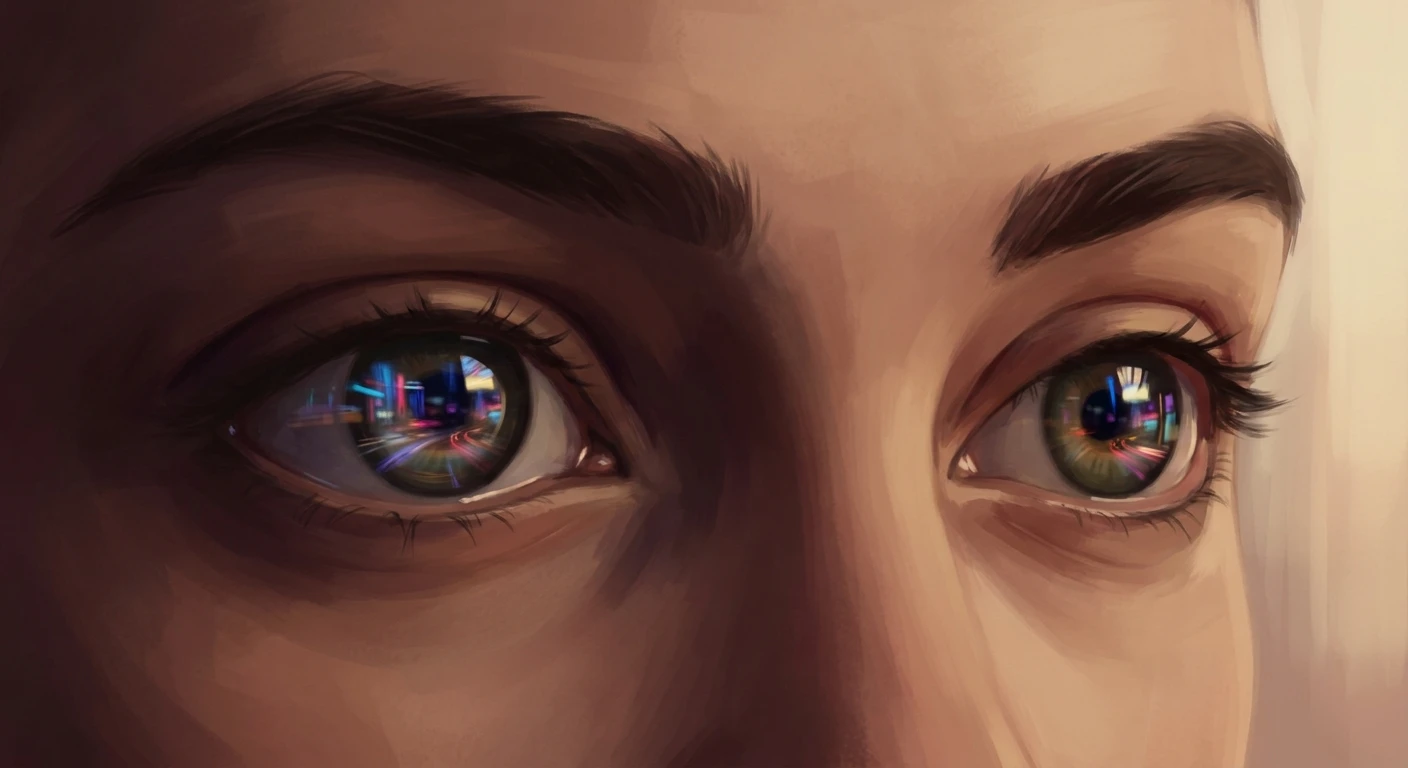
Manic Eyes: What Your Gaze is Telling the World
Have you ever looked at someone across a crowded room and instantly noticed their manic eyes? That wide, intense, almost unblinking stare communicates so much without a single word being spoken. Honestly, understanding what this intense look means is crucial for decoding human behavior and protecting our own mental health. Back in Kyiv, right before a massive tech startup launch, my friend Dmytro had not slept for three solid days. When we finally met up for coffee, his expression had shifted drastically. He had that exact unmistakable glare. His pupils were dilated, and you could see too much white above his irises. It was a physical manifestation of pure, unfiltered stress, and it taught me exactly how our nervous systems hijack our facial expressions. Look, I get it. We are living in a wildly fast-paced environment, especially now in 2026, where hustle culture pushes people to their absolute physical limits. But when your body reaches a breaking point, your face tells the story long before your words do. Grasping the nuances behind this gaze isn’t just about reading others; it is about recognizing when you or your loved ones desperately need a pause.
When you witness someone exhibiting this intense stare, you are essentially watching human biology running on overdrive. It happens when the body is flooded with adrenaline, usually due to severe sleep deprivation, acute anxiety, or an underlying mood fluctuation. Understanding these triggers is super helpful because it allows you to step back and assess the situation with empathy rather than fear.
Читайте також: Fix White Spots On Tongue: Causes & Tips; Understanding the Flat Affect Meaning and Symptoms.
| Physiological State | Physical Signs | Social Impact |
|---|---|---|
| Acute Sleep Deprivation | Widened eyelids, bloodshot sclera, slow blinking | People might pull away, assuming you are highly agitated or unapproachable. |
| Adrenaline Surge / Panic | Dilated pupils, rigid facial muscles, rapid eye movement | Can cause immediate tension in the room; others instinctively go on the defensive. |
| High-Energy Mood Elevation | Intense focus, lack of visual wandering, locked eye contact | Often interpreted as overly aggressive or intensely overwhelming during conversations. |
Being able to recognize this physical state offers massive benefits for your daily interactions. For instance, imagine you are having a heated argument with your partner. If you notice their gaze turning rigid and wide, you immediately know their nervous system is totally flooded. This is your cue to de-escalate the argument rather than pushing harder. Another great example is recognizing your own burnout. If you look in the mirror and see that exhausted, wired stare looking back at you, it is a hard signal that you need to log off and rest. If you want to handle these situations better, you need a solid protocol.
- First, immediately pause the conversation and assess the physical environment to ensure everyone feels safe and unpressured.
- Second, deliberately regulate your own breathing; speaking in a slow, calm voice can naturally prompt the other person to mirror your relaxed state.
- Third, gently suggest a break, offering a glass of water or a quick walk to help dissipate that overwhelming nervous energy.
- Fourth, seek professional guidance if this intense physical state becomes a chronic, everyday occurrence.
The Origins of the Intense Gaze
To really grasp why our faces react this way, we have to look back at our basic human origins. Long before we had complex language, early humans relied heavily on nonverbal cues to survive. If a member of the tribe was experiencing severe psychological distress or perceived an immediate physical threat, their eyes would widen to take in more visual information. This physical adaptation allowed our ancestors to scan their periphery for predators. The wide-eyed look was essentially an ancient alarm system. When one person showed it, the whole tribe knew something was up. Over centuries, this biological hardwiring stayed with us, even though the modern “predators” are usually just impending deadlines or financial stress.
Evolution of Recognizing Micro-expressions
As human societies grew more complex, our ability to read each other’s faces evolved dramatically. Psychologists in the mid-20th century began cataloging these specific facial movements, mapping out how different emotions correspond to muscle contractions around the eyes. They found that a relaxed gaze indicates safety, while a rigid, overly exposed eye area signals high arousal or distress. We evolved to subconsciously pick up on these cues because knowing who is stable and who is erratic dictates how we form social bonds. You do not even have to think about it; your brain registers a hyper-intense stare within milliseconds, sending a signal to your own body to proceed with caution. It is a brilliant, albeit sometimes problematic, evolutionary shortcut.
The Modern State of Mental Health Awareness
Today, our understanding of these physical cues is more nuanced than ever. Mental health professionals recognize that an excessively intense gaze is not just a random quirk; it is a clinical marker. With the rise of global connectivity and constant digital stimulation, our brains are frequently pushed into a state of chronic hyperarousal. We consume insane amounts of caffeine, stare at screens emitting blue light for hours, and compromise our sleep. All of these factors combined recreate the exact biological conditions that trigger a stressed, wide-eyed look. Fortunately, society is shifting. Instead of simply judging someone for looking unhinged, we are learning to ask the right questions and address the underlying exhaustion causing the symptoms.
The Neurological Trigger Behind the Gaze
Let me break down what is actually happening inside the brain when someone gets this look. It all starts deep within the limbic system, specifically the amygdala, which acts as your brain’s personal threat detector. When the amygdala senses extreme stress—whether from a lack of sleep, an emotional trigger, or chemical stimulants—it hits the panic button. This triggers the release of stress hormones like cortisol and adrenaline directly into your bloodstream. These hormones bypass your logical thinking centers and immediately hijack your physical body. The tiny muscles surrounding your eyes, particularly the levator palpebrae superioris, contract sharply. This pulls your eyelids back much further than normal, exposing the white part of your eye, known as the sclera.
Sympathetic Nervous System Overdrive
At the same time, your sympathetic nervous system kicks into high gear. This is the network responsible for your “fight or flight” response. When this system is running the show, your body shuts down non-essential functions like digestion and focuses purely on survival. Your heart rate spikes, your breathing becomes shallow, and your pupils dilate massively to let in as much light as possible. Here are a few hard scientific facts about this state:
- Pupil dilation during high-stress moments is an autonomic response, meaning it is entirely involuntary and cannot be consciously controlled.
- The increased exposure of the sclera is biologically intended to increase your field of vision by up to nine percent, allowing for better threat detection.
- Chronic activation of this nervous system state leads to severe muscle fatigue around the eyes, which is why people often experience twitching or tension headaches after a high-stress episode.
- Adrenaline decreases your blink rate significantly, causing the eyes to dry out and take on a glassy, reflective appearance.
Day 1: Grounding and Environmental Assessment
If you are struggling with a hyper-aroused nervous system and want to soften your physical tension, you need a structured plan. Day one is all about grounding yourself. Start by auditing your physical environment. Are the lights too bright? Is there constant background noise? Lower the sensory input in your home. Dim the overhead lights and spend at least twenty minutes sitting quietly, feeling your feet physically touching the floor to bring your awareness back to your body.
Day 2: The Sleep Quality Audit
On the second day, strictly focus on your sleep hygiene. Sleep deprivation is the number one culprit behind a wired, exhausted gaze. You need to commit to a hard cutoff time for electronics. Make sure your bedroom is completely dark and cool. If you cannot sleep, do not force it by tossing and turning; get up, read a physical book under dim light, and wait for natural drowsiness to hit.
Day 3: The Caffeine and Stimulant Detox
By day three, it is time to tackle the chemicals pushing your nervous system into overdrive. Look, caffeine is great, but drinking it past noon is destroying your natural cortisol curve. Cut your caffeine intake in half today. Swap your afternoon coffee for an herbal tea or just plain water. You might feel a little sluggish, but your facial muscles will finally start to relax.
Day 4: Intentional Digital Disconnect
Day four requires you to address digital eye strain. Staring intensely at screens forces your eyes into a fixed, rigid position for hours. Practice the 20-20-20 rule: every twenty minutes, look at something twenty feet away for twenty seconds. Better yet, take a full hour completely away from all screens to let your eye muscles recalibrate.
Day 5: Deep Breathwork Practice
On day five, introduce physiological sighs into your routine. When you notice your eyes feeling wide and tense, take two quick inhales through your nose, followed by one long, slow exhale through your mouth. Doing this just five times directly signals your parasympathetic nervous system to take over, instantly lowering your heart rate and softening your facial expressions.
Day 6: Hydration and Physical Reset
Day six is about internal hydration. Adrenaline naturally dehydrates the body, leaving your eyes looking glassy and irritated. Drink a massive amount of water today. Additionally, try placing a cool, damp cloth over your closed eyes for ten minutes. The cold temperature helps reduce inflammation and naturally signals the surrounding muscles to release their tension.
Day 7: Establishing Routine Stabilization
Finally, day seven is about locking in these habits. Your nervous system thrives on predictability. Wake up at the exact same time every day, eat at consistent intervals, and keep your bedtime strict. When your body knows exactly what to expect, it stops operating in survival mode, and that intense, stressed gaze will naturally fade away into a relaxed, approachable look.
Myths and Reality
There is a lot of misinformation out there about how people look when they are struggling. Let’s clear up some nonsense.
Myth: An intense, wide-eyed stare always means a person is dangerous or aggressive.
Reality: More often than not, the person is just severely sleep-deprived, highly caffeinated, or dealing with temporary, overwhelming anxiety. It is a sign of internal struggle, not external malice.
Myth: You can consciously control your pupil dilation if you just try hard enough to calm down.
Reality: Pupil dilation is entirely controlled by your autonomic nervous system. You cannot force your pupils to shrink; you can only change your environment to help your body feel safe again.
Myth: Only individuals with diagnosed mood disorders exhibit this specific look.
Reality: Anyone pushed past their physical limits can show these signs. Extreme stress impacts everyone’s biology in very similar ways.
Is it always related to mental health?
Not necessarily. While it can be a sign of emotional distress, it is frequently just a byproduct of consuming way too much caffeine or pulling an all-nighter for work or school.
How long does this physical state typically last?
It depends entirely on the trigger. If it is caffeine or acute stress, it might fade in a few hours. If it is linked to prolonged insomnia, it will persist until the person gets a few nights of restorative sleep.
Can staring at screens all day cause it?
Yes, absolutely. Digital eye strain decreases your natural blink rate and dries out your eyes, giving them a fixed, glassy appearance that mimics a high-stress biological response.
Should I point it out if I notice it in a friend?
Approach the situation delicately. Instead of commenting directly on their appearance, which might make them defensive, ask them how they are feeling or if they have been sleeping well lately.
What is the absolute fastest way to fix it?
The quickest intervention is deep, slow breathing combined with removing yourself from the highly stimulating environment. Get away from the bright lights and the noise.
Does drinking alcohol help calm the eyes down?
No, alcohol might act as a depressant initially, but it severely disrupts your REM sleep cycle, meaning you will likely wake up the next day looking and feeling even more exhausted.
Can simple hydration make a real difference?
Surprisingly, yes. Dehydration exacerbates the glassy, strained look. Drinking water helps your body flush out stress hormones slightly faster and keeps the tissues around your eyes healthy.
Ultimately, learning to read these physical signs is a superpower for building empathy. Next time you notice those intense, manic eyes in yourself or someone else, take a breath, show a little grace, and focus on resetting the nervous system. Ready to take control of your stress? Start your grounding routine today and share this guide with a friend who needs a breather!




Leave a Reply