

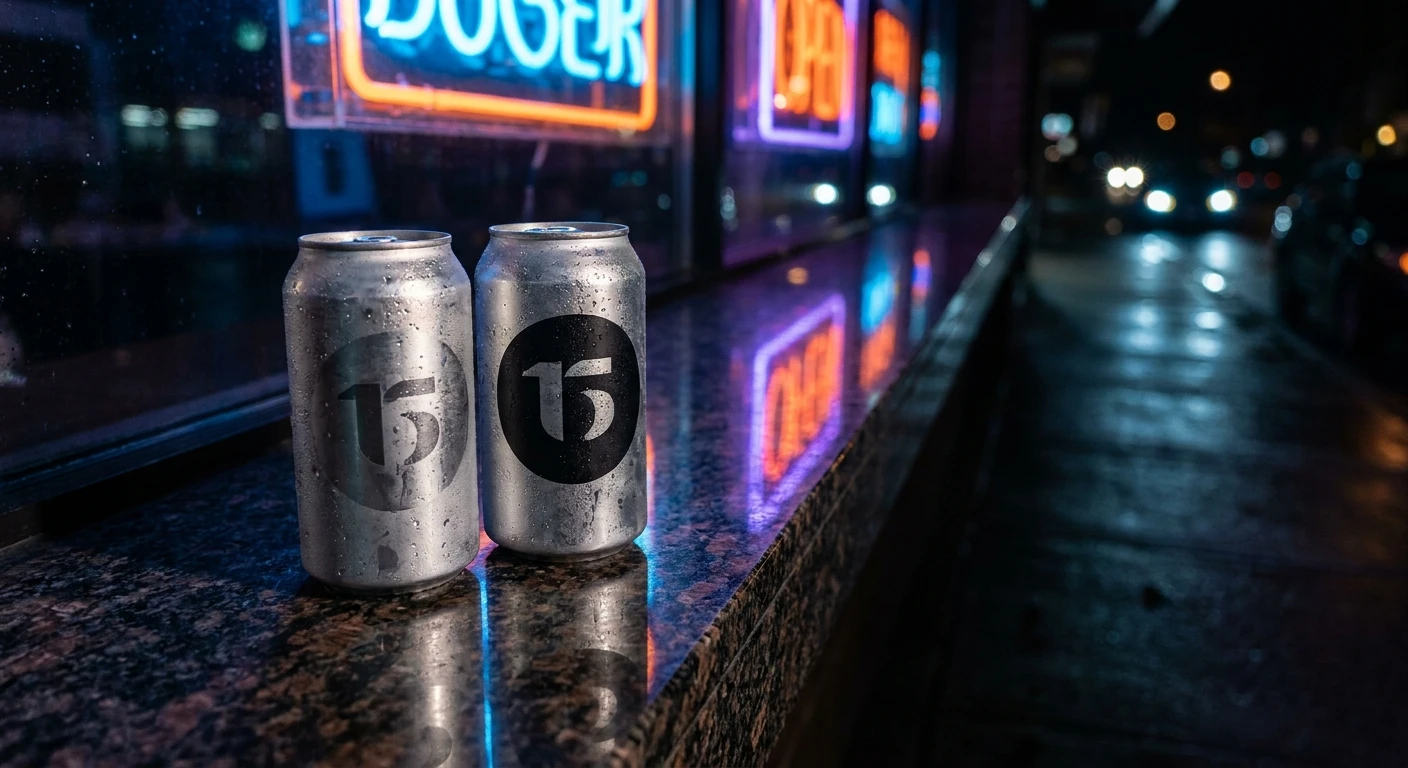
Decoding the difference between diet and zero sugar
When standing in the beverage aisle, figuring out the exact difference between diet and zero sugar can feel like solving a complex puzzle. You grab an icy can of your favorite soda, see the classic silver “Diet” label, then look right next to it and spot the bold, black “Zero Sugar” version. Both promise absolutely no calories, no sugar, and a totally guilt-free drinking experience. So, what actually separates these two incredibly popular choices? The truth lies deep within the ingredient lists, chemical formulations, and highly engineered flavor profiles developed by beverage giants. For decades, consumers simply accepted traditional diet drinks as the default low-calorie option, putting up with that distinct, lingering artificial aftertaste. But as flavor science advanced exponentially into what we now experience in 2026, companies engineered a completely new approach to accurately mimic the exact taste of original sugared drinks without the heavy caloric load.
This comprehensive guide breaks down the nutritional profiles, chemical sweeteners, and overall health implications of both beverage types. By completely stripping away the slick marketing jargon, you get a clear, highly factual look at how manufacturers formulate these drinks, which artificial sweeteners dominate the market, and how your digestive system processes them. Understanding these distinct characteristics allows you to make an informed, confident decision for your daily hydration and dietary habits. You will never have to guess what is inside your cup again.
Read also: Diet vs Zero Sugar: The Ultimate Soda Showdown Explained; How to Choose the Best low fat cheese.
Value Propositions and Core Characteristics
To truly grasp what separates these two massive drink categories, you have to look closely at their distinct value propositions and intended flavor goals. Diet sodas were originally formulated from the ground up as an entirely new beverage with its own unique, lighter flavor profile. For example, Diet Coke does not actually taste like regular Coca-Cola; it intentionally features a crisper, sharper, and lighter flavor profile. On the flip side, Zero Sugar lines are explicitly engineered to taste exactly like the original, full-sugar versions. Coca-Cola Zero Sugar uses a highly specific blend of synthetic sweeteners to mathematically replicate the exact mouthfeel, heavy bite, and flavor curve of a classic Coke.
| Beverage Type | Primary Sweetener Chemistry | Ultimate Flavor Goal |
|---|---|---|
| Diet Drinks | Aspartame (primarily) | Unique, crisp, and lighter flavor profile |
| Zero Sugar | Aspartame & Acesulfame Potassium | Exact replica of the original sugared drink |
| Full Sugar | High Fructose Corn Syrup / Sucrose | Classic, heavy, syrupy sweet taste |
Why does this actually matter for your daily habits? Knowing what you are consuming helps actively manage cravings, digestive tolerance, and long-term metabolic health. Both options carry highly specific benefits and potential drawbacks depending on your unique biology.
Here are the primary factors to evaluate when choosing your zero-calorie beverage:
- Flavor preference and craving satisfaction: If you desperately want the authentic, heavy taste of a traditional soda without the subsequent sugar crash, zero-sugar variations hit that mark precisely. If you actually prefer a lighter, crisper bite that does not coat your tongue, traditional diet versions remain vastly superior.
- Sweetener blends and digestive tolerance: Diet options primarily rely heavily on aspartame. Zero sugar product lines usually combine aspartame with acesulfame potassium (Ace-K) to round out the chemical flavor curve, which some sensitive stomachs might process differently, occasionally leading to mild bloating.
- Caffeine content and energy boosts: Product formulations differ wildly across brands. Often, zero sugar variants contain slightly more caffeine than their diet counterparts to simulate the energetic “bite” of full-sugar sodas, potentially impacting your sleep cycles if consumed late in the evening.
- Culinary mixing and dilution: When used as mixers for other beverages, zero sugar variants hold their heavy flavor profile much better when diluted with ice or other liquids, whereas diet sodas can quickly taste watered down.
By isolating these specific factors, you can align your everyday drink choices with your specific nutritional and lifestyle goals. Whether you are strictly tracking macros for a fitness competition or just trying to reduce your daily sugar intake to avoid dental issues and massive blood sugar spikes, understanding these chemical compositions puts you squarely in the driver’s seat.
The Origins of Calorie-Free Beverages
The fascinating journey of sugar-free drinks began much earlier than most people realize. Back in the early 1950s, the beverage industry noticed a growing demographic of consumers desperately looking to manage their body weight and actively monitor their blood glucose levels. The very first diet sodas were originally marketed almost exclusively toward diabetic patients in hospitals and pharmacies. These early pioneering drinks relied entirely on saccharin, an artificial sweetener that delivered massive sweetness but left a notoriously bitter, highly metallic aftertaste that lingered for hours. Despite the obvious flavor flaws, the core concept of a calorie-free sweet drink was absolutely revolutionary. By the 1960s and 1970s, major global brands recognized the immense mainstream commercial appeal, launching massive brands like TaB and Diet Pepsi. These early products created the robust foundation for an entirely new, highly profitable segment in the everyday grocery aisle.
The Evolution into Diet and Light Formulations
As the vibrant 1980s rolled around, aspartame officially received widespread regulatory approval, permanently changing the entire beverage landscape. Aspartame completely lacked the extreme metallic, bitter aftertaste of saccharin, allowing diet sodas to achieve massive, unprecedented commercial success. Diet Coke famously launched in 1982 and instantly became a global cultural phenomenon, consumed by celebrities and everyday workers alike. However, the major beverage companies never actually intended for diet sodas to taste exactly like their sugary counterparts. They were aggressively marketed as a distinct, lighter, fashion-forward lifestyle choice. For decades, consumers happily accepted this compromise: you get zero calories, but you have to accept a completely different flavor experience. Men, in particular, often flatly rejected the “diet” label due to targeted marketing demographics, prompting highly motivated companies to intensely look for a more universally appealing, authentic-tasting alternative to capture that missing market share.
The Modern State of Zero Sugar Innovation
By the mid-2000s, elite beverage scientists finally cracked the incredibly complex code on exact flavor mimicry. The global introduction of Coca-Cola Zero in 2005 marked a massive, foundational shift in how humans consume sweet drinks. By mathematically blending aspartame with acesulfame potassium (Ace-K), food chemists successfully mapped and fully replicated the sensory flavor curve of high-fructose corn syrup. Fast forward to the highly advanced market of 2026, and the zero sugar category has largely overshadowed traditional diet drinks entirely. Modern ingredient extraction and chemical blending techniques allow manufacturers to rapidly create zero-sugar versions of almost any liquid beverage—from hydrating sports drinks to intense energy formulas—that taste completely indistinguishable from the original sugar-loaded recipes, ending the era of flavor compromise forever.
Understanding Artificial Sweetener Chemistry
To fully grasp why these popular drinks taste so radically different, you have to look closely at the underlying chemistry of artificial sweeteners. Both diet and zero-sugar sodas masterfully achieve their intense sweetness without calories by using highly synthetic compounds that physically bind to the sweet taste receptors right on your tongue. Aspartame, the primary chemical engine behind traditional diet drinks, is a dipeptide perfectly composed of two naturally occurring amino acids: aspartic acid and phenylalanine. It is roughly 200 times sweeter than regular, everyday table sugar (sucrose). Because it is so intensely concentrated and sweet, manufacturers only need a microscopic amount to completely flavor a whole can of soda, which logically adds virtually zero measurable calories. However, aspartame’s biological flavor profile peaks entirely differently than actual sugar; it hits the sensitive taste buds slightly later and lingers much longer, which directly causes that famous, recognizable “diet” aftertaste. Zero sugar beverages perfectly solve this awkward lag time by introducing Acesulfame Potassium (Ace-K). Ace-K hits the human taste receptors instantly, exactly like real sugar, completely masking the delayed onset of the aspartame and tricking the brain perfectly.
Metabolic Impact and Biological Processing
When you drink either a diet or a high-tech zero-sugar beverage, your complex body goes through a highly fascinating biological process. Even though your tongue clearly registers intense, satisfying sweetness, your digestive system finds absolutely no actual glucose to process for energy.
Here are the core scientific facts regarding how your body naturally handles these modern beverages:
- Insulin response mechanisms: Despite the intense perception of sweetness, most non-nutritive sweeteners like pure aspartame and Ace-K do not trigger a massive, dangerous insulin spike in healthy adults, keeping your fasting blood sugar completely stable.
- Caloric absorption rates: The human body completely lacks the necessary digestive enzymes to break down Ace-K, meaning it passes entirely through your digestive tract completely unabsorbed and yields exactly zero usable calories.
- Amino acid breakdown: Aspartame is efficiently broken down in the gut into its basic constituent amino acids and a completely harmless, tiny amount of methanol, all of which are metabolized naturally in quantities much smaller than those typically found in common, everyday fruit juices like apple or tomato juice.
- Gut microbiome interactions: Emerging clinical research actively suggests that heavy, incredibly long-term consumption of certain artificial sweeteners might slightly alter the natural composition of your gut bacteria, though the exact physiological, long-term impact remains a heavily debated topic among modern gastroenterologists.
By engineering these precise chemical blends, giant beverage companies actively manipulate human sensory perception, beautifully delivering the strong neurological reward of sweetness without the heavy metabolic burden of glucose.
Day 1: Audit Your Current Sugar Intake
Start your transition by simply counting exactly how many full-sugar beverages you naturally consume daily. Do not change your normal habits yet. Read the printed nutrition labels and strictly calculate the total grams of liquid sugar you are actively drinking. This firmly establishes a realistic baseline and heavily highlights exactly why switching to a modern zero-calorie alternative will massively benefit your daily caloric budget and waistline.
Day 2: Introduce the Diet Variant
Replace exactly one of your daily sugary drinks with a classic, well-known diet soda. Pay incredibly close attention to the uniquely lighter, crisper flavor profile. Make sure to drink it ice cold, as much colder temperatures actively help suppress the lingering artificial aftertaste of pure aspartame. Notice exactly how the sweetness slightly lingers on your palate compared to regular, heavy syrup.
Day 3: Test the Zero Sugar Alternative
Swap out another regular, sugary soda, but this time intentionally use the highly engineered zero sugar equivalent of your absolute favorite brand. Focus deeply on the initial, sharp hit of sweetness. You will quickly notice that the advanced Ace-K and aspartame blend mimics the heavy, syrupy mouthfeel of the original beverage much more accurately and satisfyingly than yesterday’s lighter diet drink.
Day 4: The Blind Taste Test Challenge
Pour one glass of the diet soda and a separate glass of the zero sugar soda. Have a trusted friend mix them up completely. Taste both completely blindly and see if you can accurately identify which is which based entirely on the crispness of the diet versus the full-bodied mimicry of the zero-sugar option. This isolates your actual biological flavor preference without the heavy influence of marketing bias or colorful can designs.
Day 5: Monitor Digestive Reactions
Now that you are consistently consuming multiple types of advanced artificial sweeteners, pay extremely close attention to your daily digestion. Some sensitive individuals experience mild, uncomfortable bloating with heavy Ace-K consumption. Honestly assess exactly how your stomach physically feels after drinking the complex zero sugar blend versus the straight aspartame diet version from earlier in the week.
Day 6: Evaluate Your Caffeine Levels
Check the back labels on your chosen diet and zero sugar drinks. Zero sugar varieties frequently pack an unexpected extra punch of stimulating caffeine. Closely track your daily energy levels and nightly sleep quality. If you heavily feel jittery or seriously struggle to fall asleep at a normal time, you may definitely need to limit your beverage consumption exclusively to the early afternoon.
Day 7: Commit to Your Preferred Profile
Based firmly on your blind taste tests, digestive comfort tracking, and energy levels over the entire week, boldly make a final, permanent selection. Choose the specific beverage that deeply satisfies your sweet cravings the absolute most effectively, allowing you to completely, permanently phase out dangerous, high-calorie, full-sugar sodas from your daily routine for good.
Common Myths vs. Factual Reality
Myth: Diet soda makes you rapidly gain more weight than regular sugar soda.
Reality: A caloric surplus strictly dictates biological weight gain. While artificial sweeteners might mildly trigger psychological cravings in some specific individuals, the drinks themselves contain absolutely zero calories. Substituting a heavy 200-calorie drink with a 0-calorie drink instantly creates a massive calorie deficit, which biologically supports healthy weight loss.
Myth: Zero sugar drinks secretly contain hidden sugars to make them taste better.
Reality: Zero sugar formulations achieve their hyper-authentic taste completely through advanced chemical blending of purely non-nutritive sweeteners like Ace-K and aspartame, absolutely not hidden sugars. The federally regulated nutrition facts legally confirm the total absence of glucose and fructose.
Myth: Aspartame is completely banned in modern food production.
Reality: As of 2026, aspartame solidly remains one of the most rigorously and thoroughly tested food additives in human history. Major global health authorities, including the FDA and EFSA, actively continue to classify it as completely safe for human consumption within highly established daily limits.
Myth: Diet and zero sugar ultimately mean the exact same thing chemically.
Reality: They actively use entirely different chemical flavor formulas. Diet drinks intentionally maintain a unique, much lighter flavor, while zero sugar drinks are chemically engineered to perfectly mirror the brand’s original, heavy high-fructose corn syrup recipe.
Does zero sugar hydrate you like plain water?
Yes, these modern beverages are primarily made of heavily carbonated water, actively contributing to your overall daily hydration, though pure, plain water always remains the absolute healthiest choice for your body.
Is diet soda actually safer for diabetics than regular soda?
Absolutely. Because it completely lacks actual carbohydrates and processed sugar, it does not biologically spike your blood glucose levels, making it a perfectly safe alternative.
Why does diet soda usually fizz much more than regular?
The concentrated artificial sweeteners heavily reduce the physical surface tension of the liquid, causing the trapped carbonation bubbles to expand and react much faster and more violently when poured over ice.
Can small children drink zero sugar beverages safely?
While technically scientifically safe, pediatric health professionals generally strongly recommend actively limiting artificial sweeteners in growing children to constantly encourage the daily consumption of nutrient-dense fluids like fortified milk or plain water.
Does baking with zero sugar soda actually work?
It certainly can, but artificial sweeteners physically break down completely differently under intense oven heat, very often resulting in a remarkably bitter taste compared to just using real, crystallized sugar.
Do zero sugar drinks technically expire faster?
Yes, the sensitive aspartame molecules in diet and zero sugar drinks physically degrade over time, especially in warm, unconditioned environments, causing the drink to rapidly lose its intended sweetness much faster than heavily sugared soda.
Will these zero-calorie drinks break a fasting window?
Strictly speaking, they literally contain absolutely no calories and will not break a true metabolic fast, though some highly strict fasters actively avoid them to completely prevent potential cephalic insulin responses triggered by intense sweetness.
Are the exact caffeine levels completely identical across both types?
No, manufacturers very often adjust the specific caffeine levels completely independently; modern zero sugar versions occasionally have slightly more added caffeine to perfectly match the incredibly bold, aggressive profile of regular sodas.
The massive beverage aisle no longer has to be a confusing place of pure anxiety. By closely analyzing the incredibly unique sweetening blends, fascinating historical evolution, and actual metabolic impacts, the exact differences between these incredibly popular beverages become crystal clear. Whether you deeply prefer the classic, crisp bite of a traditional diet beverage or the masterful, heavy flavor mimicry of a highly modern zero-sugar blend, you now possess the hard facts to properly support your daily hydration habits. Make a smart choice that perfectly aligns with your personal palate and long-term health goals. Grab your preferred zero-calorie drink, enjoy the massive flavor, and skip the sugar completely. Share this ultimate guide with your friends who still cannot figure out which specific can to grab from the crowded fridge!





Leave a Reply