

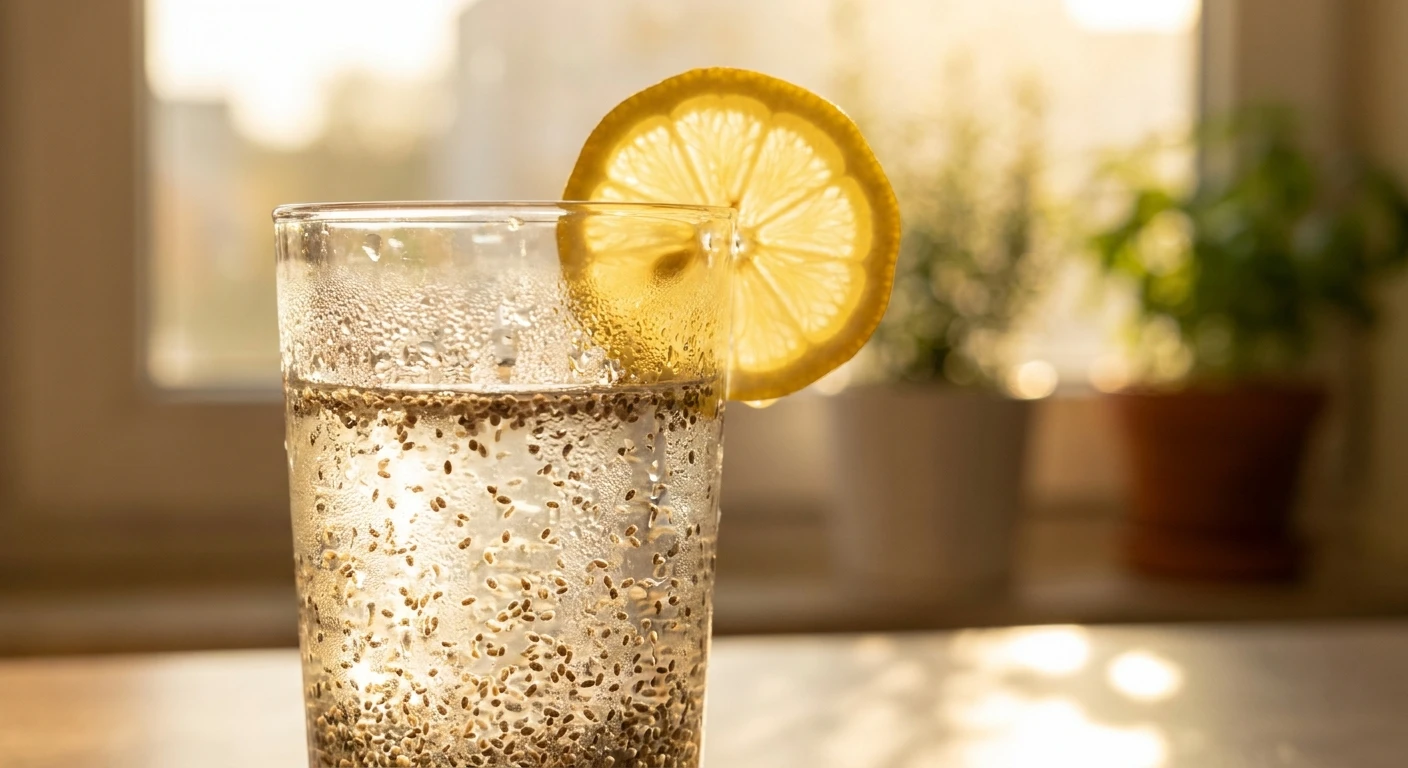
Best Time to Drink Chia Seeds for Weight Loss
Finding the absolute best time to drink chia seeds for weight loss can completely shift how your metabolism handles morning energy and evening cravings. Listen, you are probably tired of randomly mixing these tiny seeds into your water without knowing if you are actually doing it right. Timing is everything when it comes to human digestion. We are looking strictly at the physiological facts to show you exactly when and how to hydrate these seeds for maximum metabolic impact, optimal nutrient absorption, and sustained satiety throughout your busy schedule.
The concept of strategic nutrient timing is not new, but as we navigate through the wellness trends of 2026, precision nutrition has taken center stage. If you want to stop snacking on empty calories and build a sustainable routine, you need to treat this simple drink as a strategic tool. The gelatinous fiber coating that forms around a soaked chia seed works directly with your gut, but its effectiveness depends entirely on when it hits your stomach. We are breaking down the absolute best schedules, the raw science behind the expansion of the seeds, and exactly how you can implement this into a weekly plan without feeling overwhelmed or constantly bloated.
Read also: Proven pumpkin seed oil benefits For Health; Do Chia Seeds Make You Poop? The Final Verdict.
Why Timing Dictates Your Results
Understanding the mechanics of stomach emptying is the secret to leveraging chia water. When you drink a properly soaked chia beverage, the seeds form a thick gel known as mucilage. This gel physically slows down the speed at which your stomach empties its contents into the small intestine. Because of this mechanical delay, you feel full for drastically longer periods. Two powerful value propositions emerge from this process: first, drinking it before your largest meal prevents overeating by taking up physical volume in your stomach; second, drinking it mid-afternoon completely neutralizes the notorious 3 PM sugar crash by stabilizing blood glucose levels.
To make this practical, here is exactly how different timing strategies impact your body:
| Time of Day | Primary Benefit for Weight Management | Potential Drawbacks to Avoid |
|---|---|---|
| Early Morning (Fasted) | Kickstarts sluggish digestion and rehydrates the gut naturally. | Can cause mild bloating if you do not follow up with plain water. |
| 30 Minutes Before Lunch | Takes up physical space, forcing a natural calorie deficit. | May make you feel too full to eat nutrient-dense proteins. |
| Mid-Afternoon (3 PM) | Blocks cortisol spikes and sugar cravings effectively. | None, provided you limit the dose to one tablespoon. |
| One Hour Before Bed | Stops midnight snacking and feeds gut bacteria overnight. | Drinking too much liquid before sleep disrupts rest via bathroom trips. |
You cannot just throw dry seeds into a glass and gulp them down. The preparation is just as critical as the clock. Here is the absolute correct way to prepare your drink to ensure maximum safety and efficacy:
- Measure precisely: Never exceed one to two tablespoons per serving. More is not better; more is just extra calories.
- Hydrate thoroughly: Mix the seeds with at least 10 ounces of liquid and let them sit for a minimum of 20 minutes to fully expand.
- Stir frequently: Agitate the mixture multiple times during the soaking process to prevent the seeds from clumping at the bottom.
- Flavor smartly: Squeeze fresh lemon, lime, or add a dash of pure cinnamon instead of artificial sweeteners or heavy syrups.
Origins of the Super Seed
Long before modern blenders and glass mason jars, ancient civilizations mapped out the endurance benefits of these tiny seeds. The history stretches back thousands of years to Central America, where the Aztecs and Mayans revered them as staple crops, often valuing them more than gold. Aztec messengers, required to run vast distances across rugged terrains, reportedly carried small pouches of the seeds. They would mix them with water from streams to create a sustained energy source that kept them fueled without weighing down their stomachs. They did not call it weight loss; they called it survival and efficiency.
Evolution in Diets
Fast forward to the late 20th century, and the perception of this ancient crop took a bizarre detour. In the 1980s and 90s, the western world entirely forgot about the nutritional profile, repurposing the seeds for novelty terracotta pets that sprouted green hair. It was a massive commercial success but a nutritional tragedy. The seeds were relegated to toy store shelves. It was not until the early 2000s, driven by an explosion in long-distance running literature and a renewed search for natural whole foods, that the athletic community rediscovered the exact hydration techniques used by the Tarahumara runners. The focus shifted from sprouting them on clay to soaking them in water for endurance.
Modern State of Seed Nutrition
Currently, in 2026, clinical nutrition has completely validated what ancient runners knew through intuition. The focus is no longer just on basic energy, but on the gut microbiome. Scientists now view the chia seed as a prebiotic powerhouse. We understand that the way the seed’s fiber ferments in the lower intestine dictates how our bodies regulate weight. It is no longer a fad; it is a meticulously studied functional food. By understanding the historical context, you realize that drinking hydrated chia is one of the oldest, most reliable metabolic hacks in human history.
The Mucilage Matrix Explained
To grasp why these seeds are so effective, we have to look at the chemistry of the mucilage matrix. When a chia seed meets water, the outer layer undergoes a rapid physical change. The seed is highly hydrophilic, meaning it magnetically attracts water molecules. The outer shell exudes a sticky, gel-like substance made of soluble fiber. This is not just a texture change; it is a chemical trap. As this gel moves through your digestive tract, it acts like a sponge, absorbing cholesterol, slowing the breakdown of complex carbohydrates into raw sugars, and feeding the beneficial bacteria that reside in your colon. The slower sugar enters your bloodstream, the less insulin your body needs to pump out. Lower insulin directly correlates to reduced fat storage.
Metabolic Timing Mechanics
Your metabolism operates on a circadian rhythm. Insulin sensitivity is generally higher in the morning and decreases as the day goes on. Timing your fiber intake influences this rhythm. By drinking the gel matrix at strategic times, you mechanically manipulate your body’s hormonal response to food.
- A single seed can absorb up to 12 times its original weight in water, maximizing gastric distension.
- They are packed with alpha-linolenic acid (ALA), a plant-based omega-3 that helps manage cellular inflammation.
- The high concentration of antioxidants like quercetin protects the delicate fats inside the seed from oxidizing.
- Fermentation of chia fiber produces short-chain fatty acids (SCFAs) like butyrate, which send fullness signals to the brain.
- One tablespoon delivers approximately 5 grams of dense, soluble and insoluble fiber.
Day 1: The Morning Kickstart
Start your week by targeting morning hydration. Upon waking, your body is naturally dehydrated. Mix one tablespoon of seeds with 12 ounces of room-temperature water and the juice of half a lemon. Let it sit for 20 minutes while you get ready. Drinking this on an empty stomach rehydrates your digestive tract, provides a massive dose of vitamin C, and lines your stomach with fiber before you even think about breakfast. This limits your morning appetite drastically.
Day 2: The Afternoon Slump Buster
On Tuesday, shift the protocol to the afternoon. Around 2:30 PM, when energy levels typically crash and the vending machine looks tempting, prepare your drink. Brew a cup of green tea, let it cool completely, and mix in your seeds. The mild caffeine from the green tea pairs with the slow-digesting fiber to eliminate the 3 PM sugar craving. You will coast through the rest of the workday feeling completely satisfied and mentally sharp.
Day 3: Pre-Workout Hydration
Mid-week usually involves exercise. About 90 minutes before your workout, mix your seeds into natural coconut water. The potassium and electrolytes in the coconut water, combined with the slow-release hydration of the chia gel, act as the ultimate pre-workout fuel. You will not experience a heavy stomach while training, but you will notice a significant improvement in your stamina and sweat rate.
Day 4: The Evening Craving Crusher
Thursday night is when late-night snacking often derails weekly progress. At 8:00 PM, mix your seeds with warm (not boiling) chamomile tea and a tiny pinch of cinnamon. The warmth relaxes the stomach muscles, the chamomile induces sleepiness, and the fiber ensures you do not wake up at midnight craving carbohydrates. It is a brilliant physiological trick to close your eating window comfortably.
Day 5: Fasting Window Closer
If you practice intermittent fasting, Friday is the day to use chia to break your fast. Mix the seeds into a glass of water with one teaspoon of raw apple cider vinegar. Drink this 20 minutes before your first actual meal. The vinegar improves insulin sensitivity, while the seeds provide a soft, gentle re-entry for your digestive system, preventing the massive blood sugar spike that normally accompanies breaking a fast.
Day 6: The Digestion Reset
Saturday mornings call for a gut reset. Grate fresh ginger into cold water, add some mint leaves, and stir in your seeds. Ginger accelerates gastric emptying just enough to balance the slowing effect of the chia, creating a perfectly paced digestive rhythm. This eliminates weekend bloating and keeps your system incredibly regular, even if your weekend diet is less than perfect.
Day 7: The Hybrid Protocol
On Sunday, split the dose. Drink half a tablespoon in water right when you wake up, and half a tablespoon in water right before dinner. This hybrid approach bookends your day with high-quality fiber. It teaches your body to expect steady, slow digestion rather than massive influxes of calories. Assess how your body feels after this 7-day protocol and adjust the timing for the following week based on which day gave you the best energy.
Myths vs Reality
Myth: You can eat chia seeds completely dry and let them expand in your stomach for better weight loss.
Reality: Eating them dry is highly dangerous. They can rapidly absorb saliva and expand in your esophagus, causing a choking hazard or severe blockage. Always hydrate them outside the body first.
Myth: Chia seeds actively burn belly fat while you sleep.
Reality: No food magically burns localized fat. They simply create a calorie deficit by keeping you excessively full, which eventually leads to systemic fat loss.
Myth: You need to use boiling water to activate the outer shell.
Reality: Extreme heat actually damages the delicate omega-3 fatty acids. Room temperature or cold water works perfectly fine; it just takes a few extra minutes.
Myth: Drinking more seeds guarantees faster results.
Reality: They are still calorie-dense. Chugging four tablespoons a day will likely cause you to gain weight and experience agonizing gastrointestinal distress.
Can I drink chia seeds on an empty stomach?
Absolutely. It is one of the most effective ways to coat your digestive tract and stabilize early morning hunger.
How long should I soak them?
Aim for a minimum of 20 minutes. If the water looks thick and the seeds have a clear halo around them, they are ready.
Is it okay to leave chia water overnight?
Yes, storing it in the fridge overnight creates a much thicker, more pudding-like consistency that many people prefer.
Will chia seeds break my fast?
Yes. A tablespoon contains about 50-60 calories and macronutrients, which initiates an insulin response and breaks a strict water fast.
Can I mix them with black coffee?
You physically can, but the acidity and heat of the coffee create a very unpleasant texture. Stick to water or tea.
How much water per tablespoon?
A safe ratio is one tablespoon of seeds to roughly one cup (8-10 ounces) of liquid to ensure proper hydration.
Do I need to grind them first?
No. Unlike flaxseeds, which must be ground for your body to absorb their nutrients, chia seeds are easily broken down whole by stomach acid.
Summary and Next Steps
Figuring out the best time to drink chia seeds for weight loss comes down to analyzing your personal weak points during the day. If you struggle with morning hunger, start with Day 1. If late-night snacking is your downfall, implement Day 4. The science is incredibly clear: this ancient seed offers a modern, mechanical solution to appetite control and blood sugar management. Stop guessing, grab a glass of water, measure out one tablespoon, and take control of your metabolic health starting tomorrow morning!





Leave a Reply