

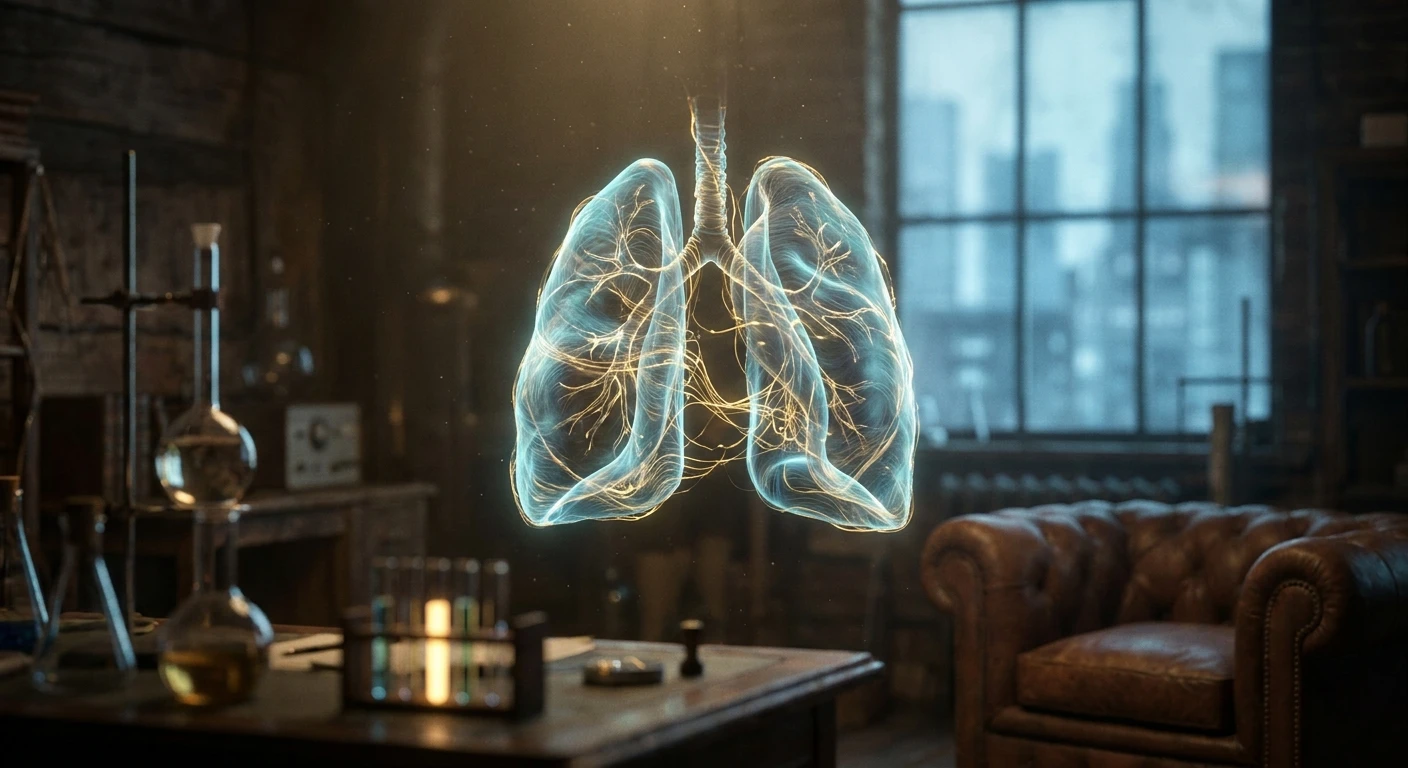
Understanding How Long Does It Take For Your Lungs To Heal From Vaping
If you recently tossed your electronic cigarette in the trash, you are likely wondering how long does it take for your lungs to heal from vaping. The human respiratory system possesses an incredible capacity for cellular regeneration, but the exact recovery timeline depends heavily on your specific history, the types of chemicals you inhaled, and your body’s innate cellular turnover rate. Making the decision to quit is tough, but witnessing your biological bounce-back is an incredibly rewarding process. As soon as you stop inhaling heated aerosols, your body initiates a complex sequence of repairs designed to clear out trapped debris, reduce tissue swelling, and restore optimal oxygen exchange.
You might be searching for a magic number or a specific date circled on a calendar, but respiratory healing is a gradual, multifaceted journey. Within the first few hours, your body begins normalizing its heart rate and blood pressure. However, the deeper tissue repair required to fully reverse the effects of inhaled propylene glycol, vegetable glycerin, and artificial flavorings operates on a much longer scale. By committing to a vape-free lifestyle, you give your body the exact environment it needs to reconstruct damaged pathways. Let us break down the physiological timeline, the biological mechanisms at play, and the proactive steps you can take to support your respiratory recovery.
Read also: How to Manage an Apron Belly Effectively; What is a Probiotic Drink? Complete Guide & Benefits.
The Core Benefits and Healing Timeline
When you inhale vaporized chemicals, you are coating the delicate inner lining of your respiratory tract with substances that provoke an acute immune response. This constant irritation leads to chronic swelling and excessive mucus production. Removing the source of this irritation allows your body to shift from a state of constant defense to a state of active rebuilding. To truly understand the benefits of cessation, you must look at the specific physiological milestones your body achieves over time. Here is a clear breakdown of the typical recovery phases.
| Timeframe Since Last Vape | Physiological Change | Noticeable Health Benefit |
|---|---|---|
| 24 to 72 Hours | Bronchial tube relaxation and nicotine clearance | Easier breathing patterns and improved energy levels |
| 1 to 3 Months | Cilia reactivation and improved circulation | Significant reduction in coughing and shortness of breath |
| 1 to 12 Months | Dramatic reduction in cellular inflammation | Lower risk of respiratory infections and restored capacity |
Beyond the internal biological repairs, quitting vaping adds immense practical value to your daily routine. For example, individuals who stop vaping often report a massive boost in their cardiovascular stamina, allowing them to engage in rigorous exercise like running or swimming without feeling immediately winded. Another profound benefit is the enhancement of sleep quality; without a constant influx of a stimulant like nicotine and the accompanying nighttime respiratory congestion, you achieve deeper, more restorative sleep cycles.
To actively accelerate this recovery timeline, you can adopt specific lifestyle habits:
- Maintain aggressive hydration: Drinking ample amounts of water helps thin out the thick mucus trapped in your airways, making it much easier for your body to expel it naturally.
- Engage in cardiovascular exercise: Regular aerobic workouts force your respiratory system to work harder, which naturally expands your lung capacity and improves pulmonary blood flow.
- Consume an antioxidant-rich diet: Foods high in vitamins C and E help combat the oxidative stress and free radical damage caused by prolonged exposure to aerosolized chemicals.
The Origins of the Vaping Phenomenon
To fully grasp why so many people are currently seeking respiratory recovery, it helps to look at the origins of the electronic cigarette. The modern device was invented in 2003 by Chinese pharmacist Hon Lik, who conceptualized the product as a theoretically safer alternative to traditional combustible tobacco. Initially, these devices were marketed aggressively as harmless smoking cessation tools. Because they produced a vapor rather than thick tar-filled smoke, early consumers and even some medical professionals assumed they were entirely benign. This rapid, widespread adoption occurred long before comprehensive clinical studies could evaluate the long-term respiratory impacts of inhaling heated chemical solvents.
The Evolution of E-Cigarette Devices
The hardware itself has undergone massive changes over the last two decades, which directly impacts the type of respiratory damage users sustain. The earliest models, known as cigalikes, were low-powered and produced a very small amount of aerosol. Soon after, the market shifted to vape pens and high-wattage sub-ohm mods. These powerful devices heated the e-liquid to much higher temperatures, fundamentally altering the chemical composition of the aerosol and producing dangerous degradation byproducts like formaldehyde. Most recently, the rise of compact pod systems introduced highly concentrated nicotine salts, which allowed users to inhale massive amounts of nicotine without the harsh throat hit, leading to unprecedented levels of continuous daily usage.
The Modern State of Vaping Awareness
Today, the medical community’s consensus has shifted dramatically. The initial illusion of harmless water vapor has been shattered by outbreaks of severe acute respiratory distress, most notably EVALI (E-cigarette or Vaping Use-Associated Lung Injury). Doctors and researchers now understand that the aerosol is a complex chemical mixture containing ultrafine particles, heavy metals, and volatile organic compounds. This heightened medical awareness has triggered a massive wave of users actively choosing to quit, shifting the global conversation from device innovation to cellular recovery and respiratory rehabilitation.
Cellular Repair and Cilia Regeneration
At the microscopic level, your respiratory tract is lined with millions of tiny, hair-like structures called cilia. These cilia act as a biological escalator, constantly sweeping mucus, dirt, and bacteria out of your airways. The chemicals in e-cigarette aerosol effectively paralyze these cilia, causing mucus and pathogens to pool in the lower lobes. When you stop vaping, one of the first major biological events is the reawakening of these cilia. As they regain their mobility, they immediately begin clearing out the backlog of debris. This rapid cellular repair is exactly why many people experience a temporary increase in coughing shortly after they quit; it is a highly productive, cleansing cough indicating that the biological escalator is finally working again.
Inflammation and Macrophage Activity
Deep within the alveolar sacs where oxygen exchange occurs, specialized immune cells called alveolar macrophages act as the frontline defense against foreign particles. Vaping severely impairs the ability of these macrophages to engulf and destroy bacteria, leaving the user highly susceptible to respiratory infections. Upon cessation, the systemic inflammation begins to subside, and macrophage function slowly returns to normal baseline levels. This reduces the chronic swelling of the bronchial tubes, allowing for a much smoother, unobstructed flow of oxygen into the bloodstream.
- Aerosols from e-cigarettes contain ultrafine particles that lodge deep within the smallest bronchioles, causing localized inflammatory responses.
- Propylene glycol, a primary base ingredient, can degrade into toxic carbonyl compounds when exposed to the high heat of modern coils.
- Respiratory tissue elasticity begins to show measurable signs of improvement within 30 to 60 days of complete cessation.
- Because nicotine acts as a potent vasoconstrictor, removing it from your system immediately improves pulmonary blood flow and oxygen delivery to peripheral tissues.
Day 1: The Initial Clearance
The first 24 hours are critical for detoxification. Your heart rate normalizes, and the residual carbon monoxide and nicotine begin to exit your bloodstream. Focus heavily on drinking at least a gallon of water to help your kidneys flush out the remaining toxins. Avoid strenuous activity today, allowing your body to rest as it adjusts to the sudden absence of chemical stimulants.
Day 2: Battling the Cough
As your cilia wake up from their chemical-induced paralysis, you will likely develop a productive cough. Do not suppress this cough with over-the-counter medication unless directed by a doctor. This is your body physically expelling the stagnant mucus. Utilize steam inhalation by sitting in a hot shower or leaning over a bowl of hot water to help loosen the chest congestion naturally.
Day 3: Cardiovascular Priming
By the third day, the acute withdrawal symptoms usually peak and begin to subside. You may notice a slight easing in the tightness of your chest. Start incorporating light cardiovascular priming, such as a brisk 20-minute walk in fresh air. This gentle aerobic activity encourages deep breathing and helps expand the lower sections of your respiratory tract.
Day 4: Dietary Detoxification
Your tissues need the right building blocks to repair cellular damage. Introduce strong anti-inflammatory foods into your meals. Focus on ingredients like ginger, turmeric, blueberries, and leafy greens. These foods contain specific compounds that help soothe irritated tissues and neutralize the free radicals left behind by the aerosolized chemicals.
Day 5: Deep Breathing Exercises
Your bronchial tubes are noticeably less inflamed by day five. Capitalize on this by practicing diaphragmatic breathing exercises. Sit up straight, place a hand on your stomach, and breathe in deeply through your nose, ensuring your stomach expands outward. Exhale slowly through pursed lips. Do this for five minutes twice a day to retrain your diaphragm and maximize oxygen intake.
Day 6: Environmental Optimization
Healing lungs are highly sensitive to secondary irritants. Take this day to optimize your living environment. Change the air filters in your home, vacuum thoroughly to remove dust and pet dander, and strictly avoid exposure to second-hand smoke or strong chemical cleaning agents. Creating a pristine breathing environment reduces the workload on your recovering immune cells.
Day 7: Establishing the Long-Term Routine
Congratulations on reaching a full week. Your physical dependence on nicotine is largely broken, and your respiratory system is well into its long-term healing phase. Now is the time to establish a sustainable routine. Schedule regular aerobic workouts three to four times a week to continuously challenge and strengthen your pulmonary capacity over the coming months.
Myths: Separating Fiction From Reality
Myth: Vaping leaves permanent pools of water inside your chest cavity.
Reality: While e-liquids contain vegetable glycerin and propylene glycol which attract moisture, you are not literally drowning in water. The heavy feeling is caused by severe cellular inflammation and excess mucus production, which your body can naturally clear out once you quit.
Myth: If you start coughing aggressively after quitting, your condition is rapidly deteriorating.
Reality: A productive cough after cessation is actually a fantastic biological sign. It signifies that your paralyzed cilia have reactivated and are successfully sweeping out trapped foreign debris.
Myth: The cellular damage caused by electronic cigarettes is instantly irreversible.
Reality: While extreme, rare cases like EVALI can leave permanent scar tissue, the vast majority of standard device-induced inflammation and irritation heals significantly over several months of strict abstinence.
Can my lungs fully recover from vaping?
For most healthy individuals who quit entirely, the respiratory system can heal a vast majority of the inflammation and cellular damage, though complete recovery depends on how long and how heavily you used the devices.
Will I gain weight after I stop vaping?
Nicotine is an appetite suppressant, so some users experience an increase in hunger. However, by substituting the habit with drinking water and exercising, you can easily manage and mitigate potential weight gain.
How do I clean my lungs out naturally?
Your body is fully equipped to clean itself. You can support this natural process by staying highly hydrated, doing cardiovascular workouts, eating anti-inflammatory foods, and practicing daily deep breathing exercises.
Is it normal to feel chest tightness after quitting?
Yes, temporary chest tightness is a common withdrawal symptom. It is usually caused by anxiety, the physical clearing of mucus, or muscle tension as your body adjusts to the lack of nicotine.
What is the so-called quitter’s flu?
This refers to the temporary physical symptoms experienced shortly after cessation, including coughing, slight sore throat, and fatigue, as the body actively expels accumulated toxins and repairs tissue.
Does running help repair tissue?
Running does not directly generate new cells, but it forces deep breathing and dramatically improves blood circulation, which delivers vital nutrients and oxygen necessary for cellular regeneration.
How long does nicotine stay in the respiratory tract?
Nicotine and its primary metabolite, cotinine, generally clear from your bloodstream and tissues within three to four days after your last session, though cravings may persist due to neural adaptations.
Understanding exactly how your body repairs itself provides excellent motivation to stay on track. The journey of respiratory recovery is a testament to human biology. By maintaining a clean environment, exercising, and eating well, you are giving yourself the best possible chance to breathe freely again. Stay committed, trust the biological process, and enjoy the lifelong benefits of a healthier, vapor-free lifestyle.



Leave a Reply