

The Big Question: Can You Get Tonsil Stones Without Tonsils?
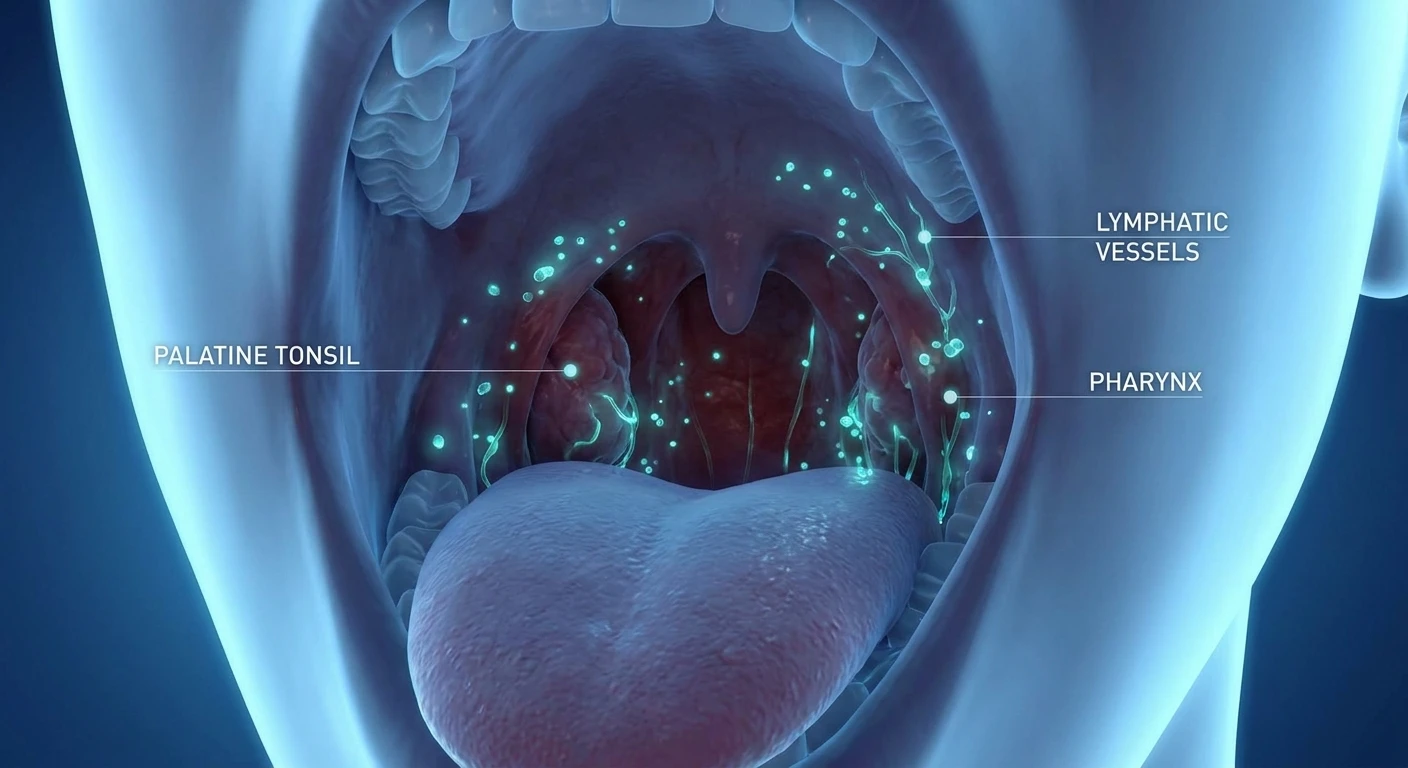
It is one of the most frustrating medical mysteries for patients who have undergone throat surgery. You might find yourself frantically searching, can you get tonsil stones without tonsils? The short and direct answer is yes, though it is considered incredibly rare. When you undergo a tonsillectomy to remove your palatine tonsils—the two fleshy, glandular pads sitting prominently at the back of your throat—you logically assume you are permanently saying goodbye to those annoying, foul-smelling white lumps. After all, if the structure is gone, how can the stones form? However, human anatomy is highly complex and fiercely resilient.
The throat contains a vast network of lymphoid tissues known collectively as Waldeyer’s ring. This includes not just the palatine tonsils, but also the lingual tonsils located at the very base of the tongue, and the pharyngeal tonsils (commonly known as adenoids) situated higher up near the nasal cavity. Furthermore, if even a microscopic fraction of tonsil tissue is left behind during your initial surgery, that tissue can slowly regenerate over time. When this tissue regrows, new crypts and crevices can form. Dead cells, food debris, mucus, and anaerobic bacteria can once again accumulate in these tiny pockets, calcifying into the exact same sulfur-producing stones you thought you had eliminated forever. Understanding the biological mechanisms behind this persistence is essential for finally achieving a healthy, stone-free mouth.
Read also: Fix White Spots On Tongue: Causes & Tips; How to Manage an Apron Belly Effectively.
Understanding Post-Surgical Throat Dynamics
To fully grasp the phenomenon of returning stones, we need to carefully examine the mechanical and structural layout of your throat after a tonsillectomy is completed. The primary harm here is deeply psychological and physical: you went through a notoriously painful adult recovery period specifically to stop these calcifications, yet the symptoms persist. The major benefit of recognizing that these stones can return is being able to seek precise medical follow-up rather than living in fear that you have a completely unrelated, more dangerous throat condition. Knowledge is power when navigating post-operative symptoms.
Understanding your post-surgical throat anatomy gives you immense clarity. For example, knowing that lingual tonsils exist perfectly explains why you might suddenly feel the familiar sensation of a stone, but it feels much lower down your throat than before. Another practical example is recognizing that a regenerated tonsil stump—a small nodule of regrown tissue—can easily catch sharp food particles like popcorn kernels or seeds, saving you from unnecessary health anxiety when you feel something lodged back there.
| Tonsil Type | Anatomical Location | Stone Risk Post-Surgery |
|---|---|---|
| Palatine Tonsils | Back of the throat (sides) | Very Low (unless tissue regenerates) |
| Lingual Tonsils | Base of the tongue | Moderate (can trap debris) |
| Pharyngeal (Adenoids) | Upper throat / nasal cavity | Low (rarely form calcifications) |
There are several distinct biological pathways that explain exactly what causes stones to mysteriously appear after a surgical removal:
- Partial tissue regrowth: Remaining microscopic lymphoid cells can naturally divide and rebuild functional tonsillar tissue over several years, complete with deep crypts.
- Lingual tonsil overcompensation: The lingual tonsils at the base of the tongue may hypertrophy (enlarge) to compensate for the lost palatine tonsils, creating new crevices for debris to hide in.
- Heavy biofilm and bacterial buildup: The posterior pharynx can develop thick bacterial biofilms that trap dead white blood cells and calcium, mimicking the exact structure of a traditional tonsillolith.
Origins of Tonsil Surgery
The practice of removing tonsils is far from a modern medical invention. In fact, historians have documented rudimentary tonsillectomies dating back over two millennia to ancient Hindu medicine. Early medical practitioners recognized that chronically inflamed throat tissue caused severe breathing and swallowing issues. However, these early procedures were brutally primitive, often involving simply scraping or tearing the tissue away with unsterilized hooks. Because the base of the tissue was rarely fully excised, regrowth was practically guaranteed, and patients undoubtedly continued to suffer from chronic throat debris and calcifications long after the crude operations.
Evolution of the Procedure
As medicine advanced into the 19th and 20th centuries, surgical techniques evolved drastically. The invention of the tonsil guillotine allowed doctors to quickly slice off the protruding part of the tonsil. While faster and slightly more humane, this “guillotine” method routinely left large portions of the tonsillar capsule firmly attached to the throat wall. Throughout the mid-1900s, it was incredibly common for adults who had their tonsils “removed” as children to discover they still had functioning, albeit scarred, tonsils. These leftover pockets were prime real estate for severe tonsil stones. It was only when surgeons shifted to complete extracapsular dissection—removing the entire tonsil and its protective sheath—that regrowth rates plummeted.
Modern State of Post-Surgical Care
Today, otolaryngologists (ENTs) utilize highly advanced tools such as electrocautery, coblation (radiofrequency ablation), and harmonic scalpels to ensure the complete eradication of the glandular tissue. Yet, despite these technological leaps, the modern medical community readily acknowledges that human biology is stubborn. ENTs now recognize the rare but scientifically documented phenomenon of lymphoid regeneration. Modern post-surgical care actively includes warning patients about the lingual tonsils. Doctors today are much more transparent about the fact that while the classic “tonsil stone” factories are gone, the broader lymphatic system in the throat can occasionally still produce tiny, foul-smelling calcifications if oral hygiene is not meticulously maintained.
The Anatomy of Lingual Tonsil Stones
To deeply understand how a stone forms without the main tonsils, we must dive into the specific anatomy of the lingual tonsils. Unlike the palatine tonsils, which are encapsulated and sit neatly in the tonsillar fossa, the lingual tonsils are a sprawling collection of non-encapsulated lymphatic bumps spread across the back of the tongue. They are covered in a mucous membrane that dips down into single, unbranched crypts. Because they are located at the very bottom of the oral cavity’s slope, gravity naturally pulls mucus, post-nasal drip, and microscopic food particles directly across them. When a person swallows, the base of the tongue compresses, often pushing this slurry of debris directly into the lingual crypts. Once trapped in this dark, moist, oxygen-deprived environment, the organic matter begins to break down.
The Calcification Process Explained
The actual formation of a stone is a fascinating, if slightly repulsive, biochemical process. The scientific term for a tonsil stone is a tonsillolith. When organic matter rots in a throat crevice, it attracts legions of immune cells, primarily neutrophils and macrophages, which rush to the site to attack the invading bacteria. As these white blood cells die off, they leave behind cellular debris. To isolate this decaying matter and protect the surrounding throat tissue from infection, the body naturally deposits minerals around the debris. This mineralization hardens the soft mass into a solid, yellowish-white stone.
- Chemical Composition: Tonsilloliths are primarily composed of hydroxyapatite and calcium carbonate, though they frequently contain trace amounts of phosphorus, magnesium, and ammonia.
- Bacterial Action: Anaerobic bacteria thrive specifically in the oxygen-deprived depths of throat crevices, breaking down proteins to produce highly volatile sulfur compounds, which cause the signature foul odor.
- Lymphoid Regeneration: Lymphoid tissue possesses a unique, intrinsic regenerative capacity, heavily influenced by local immune responses and chronic antigen exposure, meaning persistent allergies can trigger tissue regrowth.
Day 1: Aggressive Hydration and Saline Rinses
The absolute foundation of flushing out lingering throat debris is water. Begin your regimen by increasing your water intake to at least three liters a day. A constantly moist throat prevents mucus from becoming thick and sticky. Follow up every meal with a warm, heavily salted water gargle. The salinity creates a hostile osmotic environment for sulfur-producing bacteria, shrinking swollen tissues and naturally coaxing out superficial debris hiding at the base of the tongue.
Day 2: Assessment of the Lingual Tonsils
Take a flashlight and carefully inspect the very back of your tongue, extending it as far out as possible. You are looking for asymmetrical bumps or white spots sitting horizontally across the tongue base. Do not aggressively poke this area, as it is highly sensitive and prone to bleeding. This day is strictly for visual mapping and understanding exactly where your localized irritation is originating from.
Day 3: Dietary Adjustments to Reduce Debris
Certain foods are notorious for accelerating stone formation. Dairy products, in particular, coat the throat in thick proteins that anaerobic bacteria feed on. Refined sugars cause rapid bacterial proliferation. For this phase, completely eliminate milk, cheese, and high-sugar snacks. Transition to a diet rich in crisp, fibrous vegetables like carrots and apples, which act as a natural mechanical toothbrush for the back of the throat as you swallow.
Day 4: Implementing Oxygenating Mouthwashes
Standard alcohol-based mouthwashes severely dry out the oral mucosa, ultimately worsening stone formation. Switch entirely to an oxygenating mouthwash containing chlorine dioxide. Because the bacteria that form these stones are strictly anaerobic—meaning they cannot survive in the presence of oxygen—flooding your oral cavity with an oxygen-rich solution neutralizes the bacteria instantly and dramatically reduces the foul odor associated with residual stones.
Day 5: Gentle Water Flossing Techniques
If you suspect a stone is lodged in a regrown tonsil stump, you can utilize a low-pressure oral irrigator. Fill the tank with a mixture of warm water and a splash of non-alcoholic mouthwash. Set the device to the lowest possible pressure setting. Gently aim the stream at the scarred tonsillar pillars, allowing the gentle hydraulic pressure to flush out any hidden food particles. Never aim a high-pressure stream directly at the throat tissue.
Day 6: Probiotic Intervention for Oral Flora
Long-term prevention requires changing the actual microbiome of your mouth. Start utilizing an oral probiotic specifically formulated with strains like Streptococcus salivarius K12. These beneficial bacteria actively colonize the mouth and throat, aggressively competing with the sulfur-producing, stone-forming bacteria for nutrients and physical space. Over time, cultivating a healthy oral microbiome makes it biologically impossible for stone-forming bacteria to thrive.
Day 7: Consulting an ENT for a Scope
If you have followed a stringent hygiene protocol and still feel a persistent, painful lump, it is time to escalate. Schedule an appointment with an otolaryngologist. They can perform a quick, painless procedure using a flexible fiber-optic laryngoscope to look deep into the base of the tongue and vocal cords. This guarantees that what you are feeling is actually a harmless stone and not a cyst, scar tissue banding, or a more serious throat pathology.
Myth: Removing your palatine tonsils makes tonsil stones completely impossible forever.
Reality: While removing the main palatine tonsils drastically reduces your chances by over 95 percent, the lingual tonsils at the base of your tongue, as well as microscopic tissue regrowth in the surgical beds, can still create small crevices that effectively trap dead cells and debris, leading to the formation of new stones.
Myth: If a stone forms after surgery, it means the surgeon made a terrible mistake.
Reality: Human lymphoid cells are highly resilient. Microscopic cellular remnants can naturally regenerate functional tissue over several years, especially in young adults with highly active immune systems. It is a documented biological phenomenon of tissue regeneration, not necessarily a sign of surgical incompetence.
Myth: You can dig out lingual tonsil stones just like you used to dig out palatine ones.
Reality: Lingual tonsils are located far down the slope of the tongue, dangerously close to the airway and major blood vessels. Attempting to blindly extract them manually with cotton swabs or tools is highly dangerous, incredibly painful, and can easily cause severe injury, bleeding, or life-threatening infections.
Are post-surgery tonsil stones painful?
Generally, they are not acutely painful, but they are highly uncomfortable. Patients frequently describe the sensation as feeling like a coarse popcorn kernel or a small pill is permanently stuck to the side or base of their throat. Severe pain usually indicates an active infection or abscess rather than a simple stone.
Can adenoids get stones?
While technically possible, it is exceedingly rare. The pharyngeal tonsils (adenoids) are located high up in the nasal pharynx, where they are constantly flushed by nasal mucus and are not directly exposed to chewed food debris. When blockages happen there, they usually manifest as chronic sinus infections rather than solid calcified stones.
Does tonsil tissue always grow back?
No. In fact, significant regrowth is quite rare, occurring in less than a single-digit percentage of patients who undergo a full extracapsular tonsillectomy. However, when it does happen, it is usually triggered by chronic upper respiratory infections or severe untreated allergies forcing the local immune system into overdrive.
Should I scrape the back of my tongue?
Yes, absolutely. Daily tongue scraping is one of the most effective mechanical methods for preventing lingual tonsil stones. Using a copper or stainless steel scraper removes the thick layer of bacteria, dead cells, and post-nasal drip before it has a chance to slide down and settle into the lingual crypts.
Are lingual tonsil stones normal?
They are less common than traditional palatine stones but are still considered a normal variant of human biology. Many adults possess small lingual stones and never notice them because they are eventually swallowed harmlessly during meals without ever causing symptoms or foul breath.
Can dairy cause throat stones?
Dairy itself does not magically transform into a stone. However, dairy products are dense in specific proteins that oral bacteria thrive upon. Furthermore, dairy significantly thickens the consistency of your natural mucus, making it much more likely that food debris will stick to the throat walls rather than washing down cleanly.
Will I need a second surgery?
It is incredibly rare to require a revision tonsillectomy solely for recurring stones. In most cases, rigorous oral hygiene, water flossing, and dietary changes are sufficient to manage the symptoms. Surgery is generally only considered if the regrown tissue is causing severe sleep apnea or chronic, debilitating strep throat infections.
Dealing with throat issues after you thought you had permanently solved them is undeniably maddening. But knowing the intricate biology of your mouth empowers you to take back control. Maintain rigorous oral hygiene, utilize oxygenating rinses, and never hesitate to reach out to an ENT if something feels wrong. If you found this breakdown helpful, share it with others who might be struggling with hidden throat stones, and take a proactive step in managing your health today!





Leave a Reply