

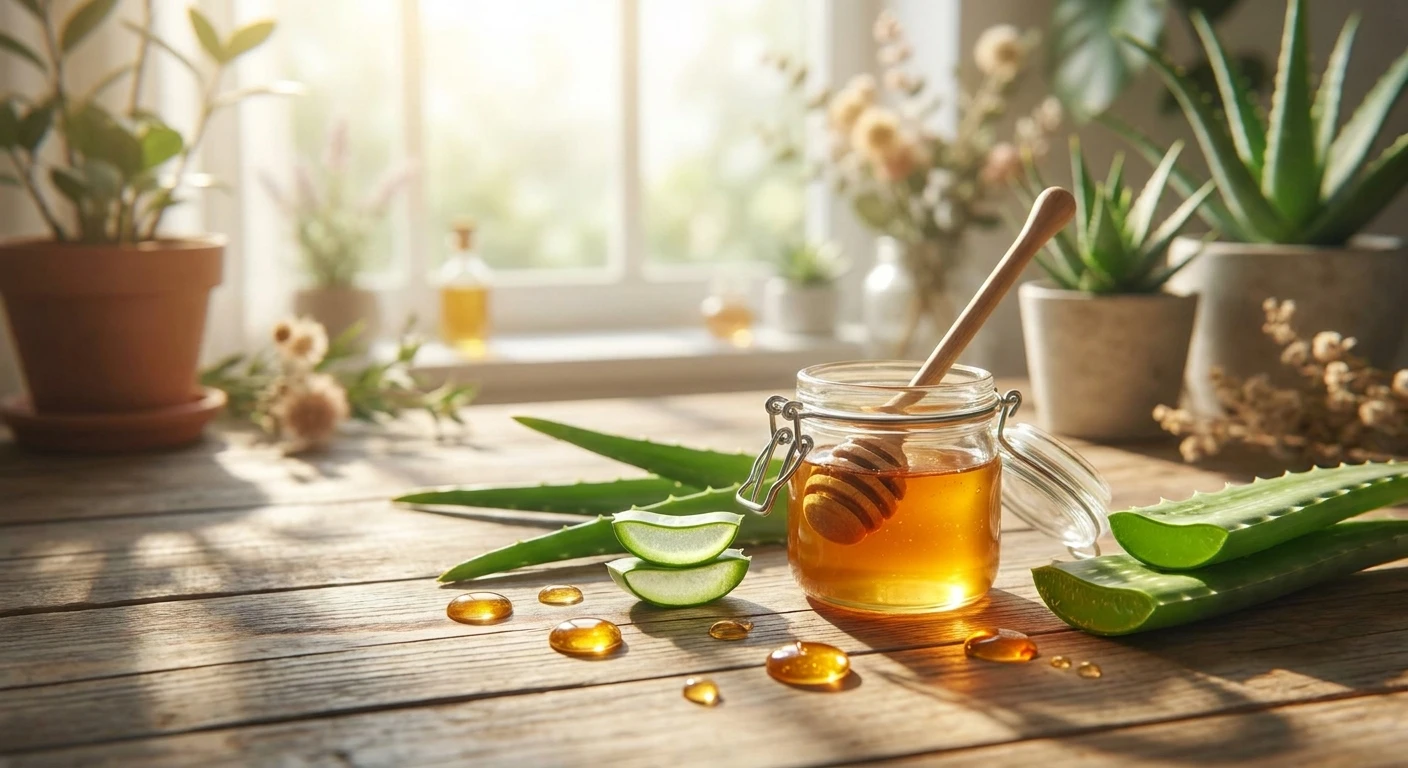
Mastering How to Fade Burn Scars Naturally
Figuring out exactly how to fade burn scars naturally can feel overwhelming when your skin is recovering from a sudden mishap in the kitchen or a brush with a hot styling tool. The truth is, your body possesses an incredibly sophisticated, built-in mechanism for cellular healing, and supporting that biological process with gentle, botanical elements makes a massive difference in your skin’s final texture and tone. Minor thermal burns leave behind dark or raised marks that often disrupt our confidence, but rushing immediately to harsh chemical peels or aggressive laser treatments is not the only viable answer. Botanical oils, natural humectants, and potent anti-inflammatory plant compounds offer a highly soothing, effective pathway to cellular renewal. This guide breaks down the biological science behind dermal regeneration and provides a concrete, actionable roadmap for fading those stubborn marks safely at home. By understanding the intricate phases of tissue repair, you equip yourself with the exact knowledge needed to nourish your damaged dermal layers effectively. We will look closely at the botanical tools that actually yield results, the critical timing of applying them, and the holistic daily habits that encourage flawless skin repair without unnecessary irritation.
The primary benefit of using pure, organic compounds on recovering skin is that they harmonize seamlessly with your skin’s natural lipid barrier instead of aggressively stripping it away. Think about the deeply soothing impact of fresh, raw aloe vera versus a synthetic, chemical-laden bleaching cream. Aloe delivers immediate hydration and calms localized inflammation, while harsh synthetics might provoke redness, itching, and secondary damage to the delicate new tissue. Another fantastic example of natural efficacy is cold-pressed rosehip seed oil. This powerhouse oil is densely packed with vitamin A, vitamin C, and essential fatty acids, directly supporting collagen synthesis and cell turnover without the severe dryness and irritation typical of synthetic prescription retinoids. When you supply the skin with bioavailable nutrients, you accelerate the fading process safely.
Read also: Fungal Infection on Face: A Complete Care Guide; Best Anti Inflammatory Tea Blends for Healing.
| Natural Ingredient | Primary Active Compound | Best Used For |
|---|---|---|
| Raw Manuka Honey | Enzymes & Amino Acids | Deep moisture retention and antibacterial protection during early healing |
| Rosehip Seed Oil | Trans-retinoic acid | Rapid cell turnover and post-inflammatory hyperpigmentation reduction |
| Aloe Vera Inner Gel | Acemannan polysaccharide | Cooling intense inflammation and speeding up epidermal tissue repair |
To successfully integrate these ingredients into a daily routine, you need to follow a few fundamental principles of scar management. Ignoring these rules can render even the best ingredients useless. Here are the core practices you must adopt:
- Keep the scarred area meticulously moisturized at all times to prevent the new collagen bundles from drying out, shrinking, and turning rigid.
- Apply gentle, consistent massage techniques using a high-quality carrier oil to physically break up the stubborn fibrous bands of scar tissue forming just under the epidermis.
- Protect the new, highly delicate skin from ultraviolet light exposure using mineral barriers or physical clothing to stop permanent dark pigmentation from setting into the scar.
Origins of Botanical Skin Care
The practice of treating skin trauma with elements found in the wild dates back thousands of years across multiple continents. Early human civilizations did not have access to sterile pharmacies or synthetic ointments. Instead, they relied heavily on what grew locally in their immediate environment. Extensive medical records from ancient Egypt, most notably the Ebers Papyrus, show the frequent and highly effective use of raw honey, propolis, and animal fats to dress minor wounds and burns. These natural substances created an occlusive, antibacterial barrier that promoted rapid healing, kept dirt out, and significantly minimized the formation of thick, raised scarring.
Evolution of Folk Remedies
As global trade routes expanded over the centuries, so did the traditional apothecary’s botanical arsenal. Indigenous tribes throughout the Americas widely utilized the clear, viscous inner gel of the desert aloe plant for its remarkable, immediate cooling properties on sun-scorched skin and fire burns. Meanwhile, across the oceans, European and Asian herbalists were extensively experimenting with pressed seed oils and floral waters. Over centuries of generational knowledge, these folk remedies were refined through careful trial and error. People learned that certain plant oils, when applied consistently over a long period, effectively softened the thick, raised hypertrophic tissue that often followed a severe blister.
Modern State of Natural Scar Management
Today, rigorous dermatological science routinely validates what these ancient practitioners knew intuitively through experience. We now possess the advanced analytical laboratory tools necessary to break down exact molecular structures within plants. For instance, we can identify the specific tocopherol content in raw sunflower seed oil or isolate the exact antioxidant catechins present in green tea extract. Modern holistic dermatology successfully merges this ancient, earth-based wisdom with modern clinical understanding, giving us incredibly potent, highly targeted routines for scar fading that completely bypass synthetic preservatives, artificial fragrances, and petroleum-based fillers.
The Biology of Scar Tissue Formation
To successfully fade a permanent mark, you must first understand exactly how it forms on a cellular level. When intense heat damages the skin, the human body immediately rushes to patch the structural breach. It produces collagen rapidly to close the wound. However, instead of the neat, beautiful basket-weave pattern characteristic of normal, healthy skin, this emergency collagen forms in dense, thick, parallel bundles. This chaotic cellular arrangement is exactly why a scar looks and feels so wildly different from the surrounding tissue—it is structurally thicker, highly dense, and completely lacks hair follicles, sebaceous glands, and normal elasticity.
How Botanicals Break Down Fibrous Bands
Natural botanical oils and plant extracts work to reverse this damage through two highly effective primary mechanisms: deep cellular hydration and targeted enzymatic action. Natural humectants actively draw ambient water into the stratum corneum, making the rigid, hardened tissue significantly more pliable and soft. Once the scar tissue is sufficiently softened, gentle physical massage helps mechanically realign the tangled collagen fibers. Simultaneously, potent plant-based antioxidants vigorously scavenge the damaging free radicals that trigger persistent post-inflammatory hyperpigmentation.
- Vitamin C found abundantly in citrus extracts and rosehip oil helps actively inhibit excess melanin production, gradually lightening the dark, muddy color of the scar.
- Linoleic acid, a crucial fatty acid in many seed oils, actively restores the skin’s compromised lipid barrier, effectively preventing transepidermal water loss and keeping the tissue supple.
- Active organic enzymes present in raw honey produce very low, safe levels of natural hydrogen peroxide, providing a highly mild, non-abrasive exfoliating effect over several weeks.
- Consistent manual massage drastically increases local blood microcirculation, rapidly delivering much-needed oxygen, vitamins, and nutrients directly to the healing dermal site.
Fading stubborn marks is undoubtedly a long marathon, not a quick sprint. This comprehensive seven-day rolling routine meticulously builds the necessary foundation for long-term dermal tissue remodeling.
Day 1: Gentle Cleansing and Hydration Baseline
Start your routine by gently washing the scarred area with a mild, soap-free, sulfate-free botanical cleanser. Pat the skin dry with a clean microfiber towel—never rub aggressively. Apply a thick, generous layer of pure aloe vera gel to establish a strong, cooling hydration baseline for the week.
Day 2: Introducing Enzymatic Exfoliation
On the second day, spread a thin, even layer of raw, medicinal-grade Manuka honey directly over the scar. Leave this sticky mask on for twenty full minutes before rinsing with lukewarm water. The natural enzymes will gently dissolve dead surface cells without any harsh scrubbing.
Day 3: Lipid Barrier Restoration
It is time to bring in the heavy hitters for deep moisture. Vigorously massage a few drops of cold-pressed, organic rosehip seed oil into the scar using firm, deliberate circular motions for five minutes. This helps mechanically align the collagen fibers while delivering a high dose of natural vitamin A.
Day 4: Soothing Inflammation with Chamomile
Brew a remarkably strong cup of organic chamomile tea, let it cool completely in the refrigerator, and use it as a soothing cold compress. The potent bisabolol compound found in chamomile acts as a powerful anti-inflammatory agent, immediately taking down any lingering pinkness or redness.
Day 5: The Cocoa Butter Deep Condition
Raw cocoa butter naturally melts precisely at normal human skin temperature. Take a raw, unrefined piece and massage it deeply and firmly into the scar for at least five full minutes. This specific physical manipulation is absolutely crucial for breaking down rigid, dense scar tissue.
Day 6: Antioxidant Boost with Vitamin E
Carefully puncture a high-quality, liquid Vitamin E capsule and apply the thick, viscous oil directly to the mark before bed. Vitamin E works tirelessly overnight to repair cellular damage and protect the newly forming skin from environmental oxidative stress.
Day 7: Rest and Sun Protection
Give the sensitive skin a necessary rest from heavy manipulation and active ingredients. Apply a basic, fragrance-free natural moisturizer. Crucially, ensure the scar is fully covered with a mineral zinc-oxide sunscreen if it will be exposed to daylight, as UV rays make scars permanently darker.
Myth: Applying pure lemon juice will safely bleach the scar away overnight.
Reality: Pure, undiluted lemon juice is highly acidic and violently phytophototoxic. It can cause severe chemical burns, immense irritation, and extreme hyperpigmentation if exposed to sunlight, making the original burn scar look much worse.
Myth: You should scrub the scar aggressively with physical exfoliants to remove the dead skin quickly.
Reality: Aggressive physical scrubbing triggers a severe inflammatory response, which signals the body to produce even more protective, thick, raised collagen. Gentle chemical or enzymatic exfoliation is far safer.
Myth: If a burn scar is years old, natural remedies cannot help fade it at all.
Reality: While fresh, newly healed scars certainly respond faster, older scars can still be significantly softened and noticeably faded over time with persistent daily massage and deep botanical oil hydration, which drastically improves overall tissue elasticity.
How long does it take for natural remedies to work?
You need highly consistent daily application for at least three to six months to see significant, undeniable fading.
Can I use essential oils directly on a burn scar?
Never apply highly concentrated, undiluted essential oils directly; always mix them meticulously with a gentle carrier oil to prevent severe irritation.
Is coconut oil good for all types of scars?
Coconut oil is wonderfully moisturizing, but it is highly comedogenic. Avoid using it on acne-prone areas like the face.
Does massage actually flatten raised scars?
Yes, regular, firm manual massage directly helps break down dense fibrous tissue, encouraging the fresh collagen to lay flat.
Should I keep the scar covered or let it breathe?
During the crucial early healing stages, keeping it moist and properly covered prevents thick scab formation.
Can diet affect how my scar heals?
Absolutely. A healthy diet rich in vitamin C gives your body essential raw materials for skin regeneration.
When should I see a dermatologist?
If the scar becomes highly painful or severely restricts your joint movement, seek immediate professional medical advice.
Remember, utmost patience and unyielding consistency are your best tools in this journey. Grab your fresh aloe and organic rosehip oil, stick to your daily routine, and start your successful natural skin healing journey today!





Leave a Reply