

Understanding Exactly Why Does Back Hurt When Breathe
Have you ever taken a sudden, sharp gasp of air and instantly wondered: why does back hurt when breathe? It is genuinely one of the most terrifying sensations you can experience. You just want to fill your lungs with oxygen, but your body responds with a stabbing sensation right between your shoulder blades or in your lower lumbar region. My goal is to break down exactly what is happening inside your physical structure so you can stop panicking and start fixing the issue. Last winter, right here in Kyiv, I was rushing to a meeting and slipped on an icy patch near the metro station. I didn’t fall, but I aggressively twisted my torso to keep my balance. By the time I got home, every single inhale felt like a hot knife sliding between my ribs. I practically convinced myself I was having a major pulmonary crisis. After finally getting it checked out, I realized it was just a severe intercostal muscle strain. It was a brutal wake-up call about how mechanically complex our breathing process actually is.
Now that we are fully entrenched in 2026, the remote work lifestyle has absolutely ruined our collective posture, making this specific type of respiratory back pain incredibly common. The thesis here is simple: while the pain feels entirely life-threatening, it is overwhelmingly caused by musculoskeletal dysfunctions that you can manage and resolve from home, provided you know the right steps. Let’s dig into the mechanical reality of your body.
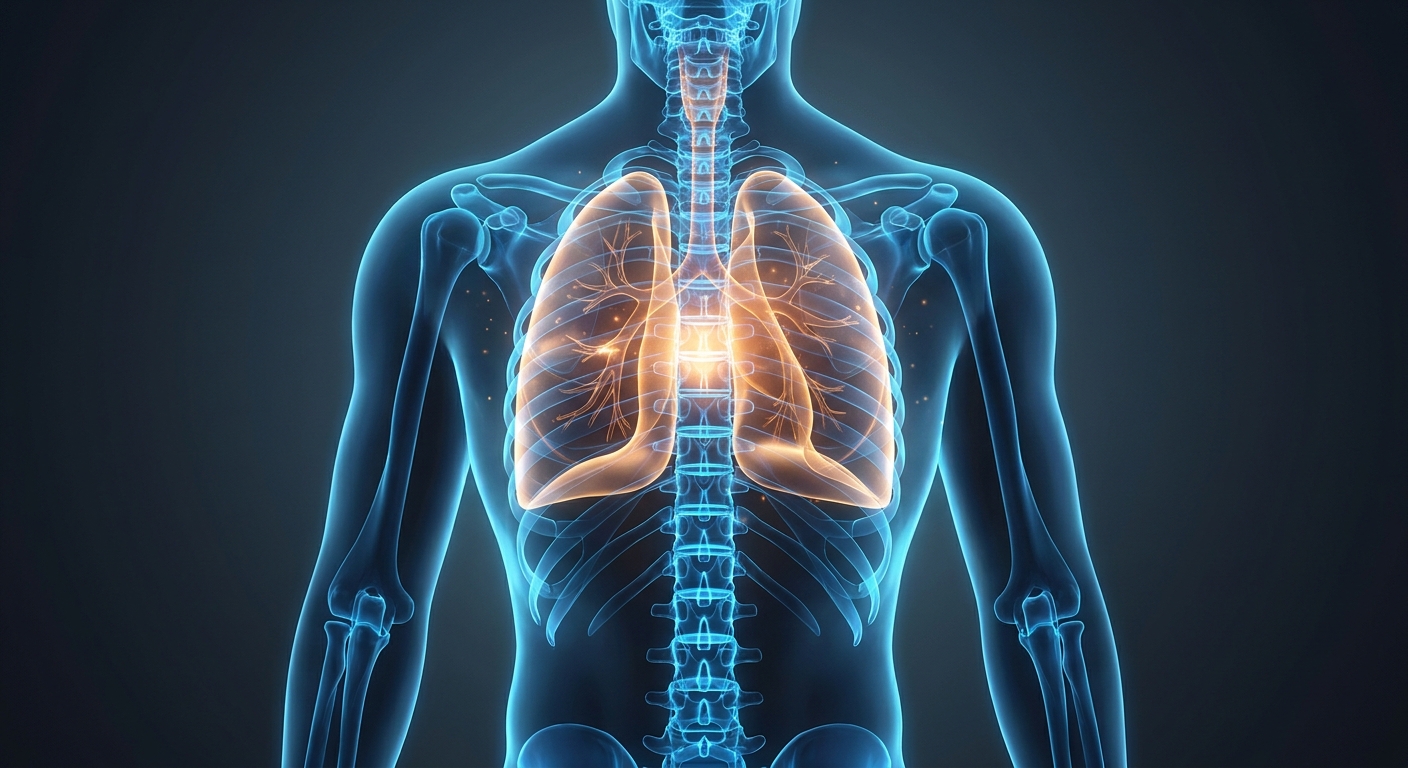
It is crazy how everything in the body is mechanically tethered together. Your spine is the central anchor point for your entire respiratory system. When you breathe in, your ribcage expands, your diaphragm drops downward, and multiple layers of muscle stretch and contract to make room for your inflating lungs. If any part of that complex mechanical chain is irritated, locked up, or inflamed, you feel it instantly.
The most crucial thing to understand is that back pain associated with breathing usually falls into specific categories. You need to identify what type of pain you are dealing with before you try to treat it. Here is a straightforward breakdown of the most common causes:
- Musculoskeletal Strain: The absolute most common culprit. You have tiny muscles between your ribs called intercostal muscles, and larger back muscles like the rhomboids and latissimus dorsi. If you sleep wrong, lift heavy weights with bad form, or sit hunched over a laptop for ten hours, these muscles become inflamed. When you breathe, they stretch, triggering a sharp protective spasm.
- Spinal and Rib Joint Misalignment: Your ribs connect to your spine at the costovertebral joints. If you twist awkwardly, a joint can temporarily lock or lose its proper mobility. Every time your lungs push against the ribcage, the locked joint protests aggressively.
- Internal Medical Conditions: Sometimes the lungs or surrounding tissues are genuinely inflamed. Conditions like pleurisy (inflammation of the lung lining) or even pneumonia can cause severe radiating pain.
Knowing the exact value of identifying your pain type cannot be overstated. It saves you extreme anxiety and unnecessary medical bills. For example, if the pain completely disappears when you hold your breath and casually twist your torso, it is likely lung-related because the skeletal movement didn’t trigger it. However, if twisting while holding your breath still hurts fiercely, it is almost certainly a muscle or joint issue. Another prime example: a dull, constant ache paired with a deep, wet cough points to illness, whereas a sudden sharp pinch right after a gym workout screams muscle spasm.
| Pain Characteristics | Most Probable Cause | Urgency Level |
|---|---|---|
| Sharp pain localized to one specific spot, worsens with movement or stretching | Muscle strain or locked rib joint | Low (Treat at home, rest, ice) |
| Sharp stabbing pain, worse with deep breaths, accompanied by coughing, chills, or fever | Pleurisy or respiratory infection | Moderate (Consult a doctor promptly) |
| Crushing pressure radiating to the jaw or arm, severe shortness of breath, dizziness | Cardiovascular event or pulmonary embolism | Extreme Emergency (Call ambulance immediately) |
Origins of Muscular Back Pain
To truly grasp why our breathing mechanics can cause so much physical distress, we have to look way back into human evolution. When early hominids transitioned from walking on all fours to a bipedal stance, the structural demands on the spine changed drastically. The spine went from functioning like a horizontal suspension bridge to acting as a vertical weight-bearing pillar. This massive shift placed immense pressure on the lower back and drastically altered how the ribcage supported the lungs. Our ancient ancestors evolved strong core musculature to support this upright running and hunting, meaning their intercostal muscles and spinal erectors were highly conditioned and rarely prone to the random spasms we experience today. They didn’t wake up with a stiff neck from a terrible mattress or suffer from locked ribs after sending emails.
Evolution of Sedentary Lifestyles
Fast forward to the industrial and technological revolutions. Human beings completely stopped moving the way nature intended. Instead of reaching, pulling, running, and climbing, we began sitting in factories, and eventually, at desks. The human spine is simply not designed to remain in a stationary, flexed C-curve for eight to twelve hours a day. As our shoulders rolled forward and our chests collapsed, the muscles in our upper backs became chronically overstretched and severely weak, while the muscles in our chests became tight and shortened. This structural imbalance fundamentally changed our breathing patterns. We shifted away from deep, natural diaphragmatic breathing to shallow, stressful chest breathing, constantly overworking the tiny accessory breathing muscles in the neck and upper back.
Modern State of Posture-Related Breathing Pain
Now, living in the highly digital year of 2026, we are dealing with the absolute peak of this anatomical crisis. Between fully immersive virtual reality workstations, remote home offices built on soft couches, and endless doom-scrolling on mobile devices, our thoracic mobility is the worst it has ever been in human history. A stiff thoracic spine means your ribcage literally cannot expand properly. When you try to take a deep sigh or a massive breath of fresh air, the locked joints and stiffened muscles aggressively resist the movement. This modern lack of mobility is the leading driver of random respiratory back aches, proving that our technological advancements have severely outpaced our biological adaptations.
Biomechanics of the Ribcage and Spine
Let’s get slightly technical without making it overly complicated. Your thoracic spine consists of twelve vertebrae, and attached to these specific vertebrae are your twelve pairs of ribs. The attachment points are called costovertebral and costotransverse joints. These joints are supposed to act like tiny, well-lubricated hinges. Every single time you inhale, your ribs need to swing upward and outward like a bucket handle to allow the lungs to fully inflate. If the surrounding tissue is inflamed due to poor posture or physical trauma, these hinges get jammed. When you force a deep breath, the lungs push against a rigid, jammed cage, sending highly concentrated pain signals through the intercostal nerves directly to your brain. This creates a severe pinching sensation in your upper back that you literally cannot escape.
The Diaphragmatic Connection
The diaphragm is the absolute powerhouse of your respiratory system. It is a massive, parachute-shaped muscle that sits right below your lungs, separating your chest cavity from your abdominal cavity. What most people completely misunderstand is where this muscle actually anchors itself. The diaphragm does not just attach to the front of your ribs; its posterior tendons, formally called the crura, attach directly to the front of your lower lumbar vertebrae (specifically L1 through L3). This anatomical fact means that every single breath literally pulls on your lower spine. If your lower back is already injured, excessively tight, or highly fatigued, the simple act of the diaphragm contracting can trigger a painful lower back spasm.
- Intercostal Neuralgia: This is the clinical term for sharp nerve pain originating between the ribs. It happens when the intercostal nerves are compressed or inflamed, often perfectly mimicking the symptoms of a severe organ issue.
- Pleural Friction Rub: The lungs are surrounded by a double-layered membrane called the pleura. If these thin layers become inflamed (pleurisy), they rub against each other like rough sandpaper during every single breath, sending sharp pain radiating right through to the back.
- Respiration Rate Load: The average human takes roughly 20,000 to 25,000 breaths per day. If a single rib joint is slightly out of alignment, that means you are micro-aggravating that specific joint tens of thousands of times every 24 hours.
- Accessory Muscle Overuse: When the main diaphragm is weak or restricted, the body forcibly recruits the scalene muscles in the neck and the rhomboids in the upper back to pull the heavy ribcage open. This chronic overuse leads to massive trigger points and knots that hurt fiercely when you inhale.
Day 1: Immediate Assessment and Rest
The very first day the sharp pain hits, your only job is immediate damage control. Do not try to stretch it out aggressively or hit the gym to force yourself through the pain. Take a moment to assess the pain using the medical table provided earlier. If it feels strictly muscular, find the absolute most comfortable resting position. Usually, lying flat on your back with a large pillow under your knees takes the mechanical load off your spine and diaphragm, allowing the central nervous system to finally calm down.
Day 2: Heat and Cold Therapy Application
By the second day, localized inflammation has likely peaked. Start your morning with an ice pack wrapped in a thin towel directly on the painful spot on your back for fifteen solid minutes. The cold intensely numbs the nerve endings and constricts blood vessels to heavily reduce swelling. In the evening, switch the protocol to a heating pad or take a hot shower. The heat will increase blood flow to the damaged muscle fibers, bringing essential oxygen and nutrients specifically required for rapid cellular repair.
Day 3: Gentle Diaphragmatic Breathing Exercises
You have likely been taking highly shallow panic-breaths for two straight days to consciously avoid the pain. It is time to reset your mechanics. Lie on your back and gently place your hands on your stomach. Slowly breathe in through your nose, explicitly trying to make your stomach rise without letting your chest or shoulders move upward. This entirely isolates the diaphragm and stops the overworked upper back and neck muscles from straining. Do this for five minutes, three times a day.
Day 4: Thoracic Mobility Stretches
Once the acute stabbing pain has subsided to a manageable dull ache, you desperately need to unlock the thoracic spine. Try the basic “Cat-Cow” yoga stretch on your hands and knees. Gently arch your back upward toward the ceiling, then slowly let your stomach drop downward toward the floor. Move incredibly slowly and deliberately. This motion naturally lubricates the rigid costovertebral joints and helps gently stretch the tight intercostal muscles without tearing them further.
Day 5: Posture Correction and Ergonomic Check
It is completely useless to heal your back if you immediately ruin it again the next morning. Vigorously evaluate your daily workspace. Ensure your primary monitor is at exactly eye level. Your feet should be flat on the floor, and your lower back should be perfectly supported by a firm lumbar cushion. Stop intensely hunching over your smartphone. Bring your devices up to your face rather than dropping your heavy neck down to your chest.
Day 6: Strengthening the Core and Mid-Back
To fundamentally prevent this from happening ever again, you must build muscular armor around your spine. Begin integrating low-impact strengthening exercises into your routine. Standard planks are fantastic for overall core stability, which directly supports the heavy diaphragm. To target the mid-back, try prone cobra extensions or resistance band face-pulls. Stronger rhomboids and traps will easily hold your shoulders back, allowing your ribcage to expand entirely effortlessly.
Day 7: Evaluating Progress and Maintenance
By the end of the week, the sharp breathing pain should be entirely resolved or at least heavily reduced. Take an honest mental inventory. If the pain is 90% gone, continue with your daily mobility work. If the pain has not improved at all, or if you have somehow developed new symptoms like a lingering deep cough or extreme fatigue, this is the exact moment you pick up the phone and aggressively schedule an appointment with a medical professional.
There is so much terrible information floating around the internet about back and chest pain. Let’s clear up the nonsense immediately.
Myth: If it hurts your back to breathe, you are absolutely having a massive heart attack.
Reality: While serious cardiac events can refer pain to the back, heart attack pain is typically a crushing, heavy pressure that does not dramatically change if you hold your breath or twist your physical body. If the pain changes mechanically with your breathing or movement, it is overwhelmingly likely to be a musculoskeletal issue.
Myth: You should bind your ribs or wear a tight corset to stop the pain from spreading.
Reality: Restricting your ribcage physically is incredibly dangerous. It promotes extremely shallow breathing, which can cause fluids to severely build up in the base of your lungs, drastically increasing your overall risk of developing severe pneumonia.
Myth: Only elite athletes or heavy lifters get painful rib joint dysfunctions.
Reality: Sleeping on a bizarrely soft mattress, sneezing too violently, or just sitting on the living room couch in a twisted posture for hours can easily lock a sensitive rib joint.
Myth: You need immediate spinal surgery to fix breathing-related upper back pain.
Reality: Over 95% of these specific cases are perfectly resolved through basic rest, anti-inflammatory measures, physical therapy, and just basic time.
Can anxiety cause back pain when breathing?
Yes, absolutely. Severe anxiety leads to rapid hyperventilation and chronic muscle tension. Your upper back and neck muscles completely lock up in a stress response, which can cause intense pain when your expanding lungs try to force them open during a panic attack.
Should I go directly to the emergency room?
You should only rush to the ER if the pain is accompanied by sudden severe shortness of breath, pain radiating down your left arm, severe dizziness, coughing up visible blood, or a high fever. Otherwise, an urgent care or standard doctor’s visit is entirely sufficient.
How long does a severe intercostal strain last?
A mild to moderate intercostal muscle strain typically takes between three to six full weeks to heal completely. The absolute worst of the sharp pain usually subsides within the first week if managed properly with rest and ice.
What exactly is pleurisy?
Pleurisy is a painful medical condition where the two large, thin layers of tissue that safely separate your lungs from your chest wall become aggressively inflamed, usually due to an unexpected viral infection.
Does my daily sleeping position affect breathing pain?
Absolutely. Sleeping flat on your stomach forces your neck into an extreme rotated position and puts immense, unnatural downward pressure on your ribcage. Side sleeping with a thick, supportive pillow is always best for spinal alignment.
Can a local chiropractor fix breathing pain?
If the pain is explicitly caused by a mechanical rib subluxation or locked spinal joint, a highly licensed chiropractor or physical therapist can perform a controlled, safe adjustment to restore proper mechanical mobility.
Is it normal to hear a loud popping sound?
Hearing a distinct pop or crack at the exact moment of your injury usually indicates a minor ligament or muscle tear, or a joint forcefully popping out of its standard, healthy alignment.
Can chronic acid reflux cause this?
Severe acid reflux (GERD) can intensely irritate the esophagus, causing strange referred pain in the absolute middle of the back. However, this is usually tied directly to eating food rather than the physical act of inhaling oxygen.
In the end, dealing with unexpected pain every single time your lungs expand is undeniably frightening. It disrupts your sleep, ruins your daily focus, and puts your entire nervous system on edge. But hopefully, you now clearly understand the complex mechanics operating behind the curtain. From simple strained intercostals to heavily locked rib hinges, your spine and lungs operate as a singular, highly sensitive, interconnected unit. Protect your daily posture, stretch your rigid thoracic spine regularly, and always listen to your body’s early warning signals. If you found this breakdown incredibly helpful, share it with that one friend who is constantly complaining about random back aches, and leave a comment below about what exact stretching routine worked best for your personal recovery!





Leave a Reply