

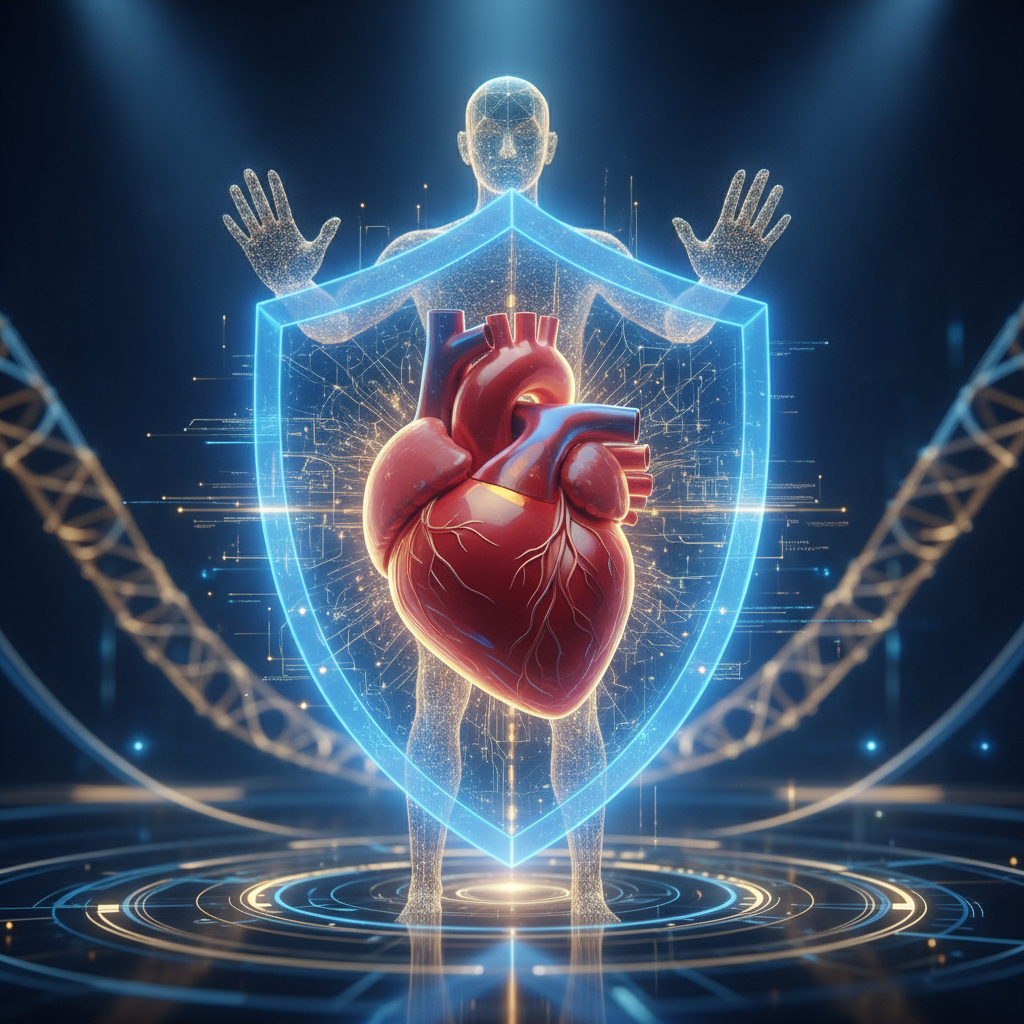
Surviving a mini heart attack: What you need to know right now
If you have ever felt that sudden, terrifying squeeze in your chest, you might be wondering if you just experienced a mini heart attack. Listen, I get it. Anything related to your heart is genuinely terrifying. Understanding the early signals your body sends is the absolute best way to protect your long-term cardiovascular health. I remember sitting in a busy, dimly lit cafe in Kyiv just last month. The espresso machine was hissing, people were chatting, and I was watching a close friend suddenly go completely pale and clutch his chest, struggling to catch a breath. We honestly thought it was just the heavy stress from the daily sirens and the relentless pace of life we all navigate right now. He brushed it off, drank some water, and said he was fine. But he wasn’t. The doctor later confirmed he had experienced a mild cardiac event.
People throw this term around casually whenever they get scared, but medically speaking, it is a very real phenomenon. Often called a non-ST elevation myocardial infarction (NSTEMI) or severe angina, it is your body screaming for help. Let me walk you through exactly what happens when your biological engine hits that panic button. We are going to look closely at the physical realities without sugarcoating a single thing. It is incredibly crucial to spot the difference between sheer anxiety and a genuine cardiovascular emergency. The signs are there if you know exactly what to look for, and recognizing them early can literally buy you decades of healthy life.
The core reality: What actually happens during an episode
Look, your heart is basically a high-performance engine. When a fuel line gets slightly clogged, the engine stutters. It doesn’t necessarily blow up immediately, but it definitely misfires. That is exactly what happens during these mild cardiac events. A partial blockage in a coronary artery temporarily deprives your heart muscle of the oxygen it desperately needs. The immediate harm of ignoring this is severe: that small, temporary blockage can rapidly evolve into a complete occlusion, leading to massive, irreversible muscle death. The massive benefit of catching it early, however, is that medical professionals can intervene with medications or stents before any permanent damage occurs.
Here are the non-negotiable physical signs you absolutely cannot ignore:
- Chest pressure that lingers: We are not talking about a quick, sharp pain that vanishes when you shift your posture. We are talking about an uncomfortable, heavy squeezing sensation that lasts for several minutes or keeps coming back in waves.
- Radiating discomfort: This is classic, but people still miss it. Pain or numbness shooting down the left arm, radiating up into the jaw, or even burning between the shoulder blades.
- Unexplained, crushing fatigue: Suddenly feeling completely wiped out, sweating profusely, or feeling incredibly nauseous out of absolutely nowhere, without any physical exertion.
Let’s look at the immense value of rapid action. Example one: A colleague feels a tight jaw and minor chest heaviness after dinner. Instead of sleeping it off, he visits the emergency room, gets a tiny stent placed, and is back to work safely three days later. Example two: A woman feels profound, dizzying fatigue and shortness of breath. She recognizes it as a warning, calls for an ambulance, and prevents a major fatal cardiac arrest that was hours away from happening.
| Symptom Factor | Standard Panic Attack | Mini Heart Attack |
|---|---|---|
| Duration of Pain | Usually peaks quickly within 10 minutes | Can last for hours or come in continuous waves |
| Type of Sensation | Sharp, stabbing, highly localized pain | Dull pressure, squeezing, heavy elephant-on-chest feeling |
| Primary Triggers | Often severe psychological stress or anxiety triggers | Physical exertion, heavy meals, or completely random |
You absolutely must know the difference outlined in that table. Misinterpreting these signals happens thousands of times a day globally, and the consequences of guessing wrong are disastrous.
The hidden history of cardiac terminology
Origins of heart event classification
Back in the early 20th century, doctors did not have the vocabulary or the technology to classify mild cardiac events. If someone clutched their chest but survived, it was frequently misdiagnosed as acute indigestion, a “weak spell,” or simply exhaustion. The medical community essentially treated all chest pains as a massive mystery unless the patient actually suffered a massive, catastrophic myocardial infarction. There was no gray area, which meant countless individuals walked around with severely compromised arteries, completely oblivious to the ticking clock inside their chests.
The evolution of diagnostic precision
As the decades progressed, especially into the 1970s and 1980s, the development of the electrocardiogram (EKG) changed the entire game. Doctors began to see subtle variations in the heart’s electrical rhythm. They noticed that some patients had clear ischemic events—where blood flow was restricted—without the massive electrical shifts seen in major attacks. This is where the medical distinction of NSTEMI was truly born. We finally moved past guessing and started using physical evidence to identify these smaller, yet equally dangerous, blockages. Blood tests tracking specific cardiac enzymes revolutionized our ability to detect even microscopic damage to the heart muscle.
The modern state of cardiovascular awareness
Now that we are deep into 2026, wearable technology has gotten incredibly precise at catching these subtle arrhythmias and warnings faster than ever. Smartwatches are practically functioning as on-the-go cardiologists. The modern state of care relies heavily on prevention and microscopic early detection. We don’t wait for a patient to collapse anymore. We look at digital biomarkers, continuous heart rate variability, and high-sensitivity blood assays. Yet, despite all this phenomenal technology, the human element—actually paying attention to what you feel and acting on it—remains the weakest link in the chain.
The scientific mechanics: A deep biological dive
Understanding coronary ischemia
Let’s talk science, friend-to-friend, without the confusing jargon. Ischemia is simply a fancy medical word for “starving for oxygen.” Your heart is entirely dependent on a network of coronary arteries to deliver oxygen-rich blood. Over time, cholesterol, fat, and cellular waste build up on the inner walls of these arteries, forming what we call plaque. During a mild event, a tiny piece of this plaque might rupture. Your body treats this rupture like a cut on your skin, sending blood platelets to clot it. Unfortunately, inside a narrow artery, this clot acts like a massive traffic jam. Blood flow drops drastically. The heart muscle starts to panic because it is suffocating, and that suffocation is the crushing pressure you feel in your chest.
Biomarkers and collateral circulation
Why do some people survive these episodes easily while others don’t? Part of the answer lies in collateral circulation. Think of this as your heart’s ability to automatically build tiny, organic detour roads around a major traffic jam. If a blockage happens slowly over years, the heart sometimes builds new, microscopic blood vessels to bypass the blocked artery. However, when the heart muscle does get slightly damaged, it cries for help by releasing specific chemicals into your blood. Here are the undeniable scientific facts about these biological distress signals:
- Troponin enzymes: These proteins are exclusively found in heart muscle cells. If they leak into your bloodstream, it is absolute, undeniable proof that cardiac tissue is currently taking damage.
- CK-MB levels: Another specific enzyme that spikes relatively quickly after a cardiac injury, helping doctors pinpoint exactly when the damage started occurring.
- Endothelial dysfunction: This is the breakdown of the inner lining of your blood vessels, which precedes plaque buildup and is heavily influenced by smoking and high blood pressure.
- Electrical misfires: Lack of oxygen alters the flow of sodium and potassium ions across heart cell membranes, which is exactly why an EKG looks chaotic during an episode.
Your 7-day action plan following a cardiac scare
If you or someone you love just experienced a severe chest pain episode and got cleared by the ER, the work has only just begun. You cannot just go back to your normal routine. You need a strict, structured protocol to stabilize your system. Here is a definitive 7-day reset plan to get your biological engine back on a safe track.
Day 1: Absolute systemic rest and hydration
Your body has just survived a massive trauma, even if it was mild. Cancel all your meetings. Turn off your phone. Spend the entire first day lying down, focusing strictly on deep, diaphragmatic breathing. Drink at least three liters of pure water to ensure your blood volume remains optimal, which prevents your heart from having to pump too hard.
Day 2: The aggressive sodium purge
Salt forces your body to retain water, which brutally spikes your blood pressure and forces the heart to work overtime. Go through your kitchen and throw out processed meats, canned soups, and salty snacks. For this entire day, consume zero added salt. Rely entirely on fresh herbs, lemon juice, and spices for flavor. You need to drop your blood pressure baseline immediately.
Day 3: Introducing extreme gentle movement
Do not go for a run. Do not lift weights. Day three is about restoring basic circulation. Take a slow, flat, ten-minute walk around your living room or a perfectly flat park. The goal is simply to get blood moving gently through the calves and arms to prevent blood clots from forming while you recover.
Day 4: Evaluating psychological stressors
Your brain and your heart are directly connected via the vagus nerve. Massive stress literally tightens your arteries. Take a hard, brutal look at your life. Is it your job? A toxic relationship? Financial panic? Write down the top three things causing you extreme anxiety and formulate a strict, non-negotiable plan to distance yourself from them.
Day 5: The strict Mediterranean shift
It is time to overhaul the fuel you put in the engine. Shift your entire diet to focus heavily on wild-caught fish, extremely dark leafy greens, extra virgin olive oil, and walnuts. These foods are packed with Omega-3 fatty acids, which actively calm inflammation inside the blood vessels. Make this your permanent lifestyle, not just a diet phase.
Day 6: Scheduling advanced specialized screenings
A basic EKG in the ER is totally insufficient for long-term planning. Call your cardiologist and demand advanced testing. You need an echocardiogram to check structural valve damage, a stress test to see how the heart performs under load, and a full lipid panel to check your specific cholesterol particle sizes.
Day 7: Building your permanent blueprint
By the end of the week, you need to establish a new normal. Write down your daily pill schedule if medications were prescribed. Set alarms for your new walking routine. Share your blueprint with a close family member or friend so they can hold you perfectly accountable. Consistency is the only thing that prevents a second, fatal attack.
Separating dangerous myths from strict reality
There is so much garbage information floating around out there. Let’s permanently debunk some of the most dangerous misconceptions that get people killed.
Myth: You will always fall to the floor dramatically clutching your chest.
Reality: Hollywood completely lied to you. Many genuine episodes just feel like moderate heartburn, a weird ache in your jaw, or a strange tingling in your left shoulder. You do not have to collapse for it to be deadly.
Myth: Only older, overweight men have these episodes.
Reality: Absolute nonsense. Young, completely fit individuals in their 30s experience them constantly due to hidden genetic cholesterol issues, severe chronic stress, or undiagnosed autoimmune inflammation.
Myth: If the pain naturally goes away, you are completely fine.
Reality: The pain subsiding might just mean your heart temporarily adjusted to the terrible blood flow, or that specific piece of muscle died and stopped sending pain signals. The massive arterial blockage is still sitting there waiting to strike again.
Myth: A normal resting EKG means you absolutely didn’t have a cardiac event.
Reality: NSTEMI episodes frequently do not show up on a standard resting EKG. You strictly require specialized blood tests checking for troponin over several hours to completely rule out damage.
Frequently asked questions about mild cardiac episodes
Can a mini heart attack cure itself?
No. Your body might temporarily stabilize the clot, but the underlying severe plaque buildup and arterial disease remain. Medical intervention is entirely mandatory.
How long do the warning symptoms typically last?
Symptoms can range wildly from 15 minutes of dull pressure to several hours of intermittent, heavy squeezing. Never wait to see if it stops.
Is it ever safe to drive yourself to the hospital?
Absolutely not. If your condition deteriorates into full cardiac arrest while driving, you will crash and likely die. Always call an ambulance immediately.
What is the precise medical name for this?
Doctors typically refer to this as a Non-ST-elevation myocardial infarction (NSTEMI) or unstable angina, depending on whether actual muscle damage occurred.
Can extreme emotional stress alone trigger it?
Yes. Massive sudden emotional trauma causes a massive surge of adrenaline, which can temporarily narrow the arteries and provoke an ischemic episode, sometimes called broken heart syndrome.
Does chewing aspirin actually help during an episode?
Yes, chewing a regular 325mg aspirin severely inhibits blood platelets from clumping together, which can slow down the massive clot forming in your artery. Always chew it, do not just swallow it whole.
How is this functionally different from stable angina?
Stable angina happens predictably during exercise and stops when you rest. A mild cardiac event is wildly unpredictable, happens at rest, and indicates a highly unstable, dangerous plaque rupture.
Do women experience drastically different symptoms?
Yes, women frequently report profound fatigue, severe nausea, upper back pain, or dizziness rather than the classic elephant-on-the-chest feeling, which sadly leads to frequent misdiagnosis.
Are there early warning signs days before the event?
Often, yes. Many patients recall feeling unusually exhausted, experiencing mild chest tightness during normal activities, or having strange, heavy breathing a few days leading up to the main episode.
Listen closely, the human body is incredibly resilient, but it only gives you so many warnings. If you ever suspect you are having a mini heart attack, drop your ego, stop worrying about being an inconvenience, and seek immediate emergency medical care. Taking aggressive, proactive steps right now can change the entire trajectory of your life. Share this guide with someone you genuinely care about and book a preventative doctor’s appointment today. Your future self will be endlessly grateful you took the time to listen.



Leave a Reply