

The Ultimate Guide to Life Expectancy After Cardiac Ablation
Wondering about the exact life expectancy after cardiac ablation? You are absolutely not alone in asking this question. When my uncle from Kyiv was diagnosed with severe atrial fibrillation last year, our entire family went into a total panic. He was eventually treated at a specialized cardiac center, but before that, we spent endless hours scrolling through medical forums, terrified that his chaotic heart condition was going to cut his life drastically short. Then, his brilliant cardiologist suggested a catheter intervention. Fast forward to today, sitting here in 2026, and he is back to hiking the rugged trails of the Carpathian mountains, looking significantly healthier and more vibrant than he did a full decade ago. The honest truth is, for the vast majority of people dealing with severe arrhythmias, fixing the heart’s faulty electrical pathways does not merely improve daily comfort—it essentially resets your biological clock to normal.
You might be feeling incredibly anxious right now, picturing a fragile, restricted future, but the clinical data tells a completely different, highly optimistic story. This intervention is a refined, sophisticated procedure designed specifically to permanently eliminate the misfiring tissues that cause chaotic, dangerous heartbeats. By successfully knocking out those rogue electrical signals, your heart immediately goes back to pumping efficiently and smoothly. This means significantly less wear and tear on your cardiovascular system over the coming decades. We are going to look closely at exactly how this procedure impacts your long-term survival, what the recovery actually feels like on a day-to-day basis, and why getting your rhythm fixed is arguably one of the smartest, most effective investments you can possibly make in your future longevity.
How Restoring Rhythm Maximizes Your Lifespan
So, how exactly does fixing an irregular heartbeat translate into extra years on your calendar? The value proposition of this specific treatment is wonderfully simple: restoring a completely normal sinus rhythm directly prevents progressive heart failure and massively reduces your long-term stroke risk. Untreated arrhythmias force the heart to flutter instead of squeezing firmly, causing blood to pool and the heart muscle to become dangerously exhausted over time. By eliminating the flutter, you eliminate the cascading health failures that typically shorten a patient’s life.
Take two quick, real-world examples to illustrate this. Example one: Sarah, a 55-year-old high school teacher, suffered from chronic atrial fibrillation (AFib). Before her treatment, her heart was constantly working overtime, leading to extreme daily fatigue and a progressively weakened heart muscle. Post-treatment, her stroke risk plummeted back to baseline, bringing her projected lifespan right back to the healthy national average. Example two: Mark, an avid marathon runner who developed ventricular tachycardia. Fixing his heart’s electrical circuits didn’t just let him run again safely; it entirely eliminated his immediate risk of sudden cardiac arrest, allowing him to live without the shadow of sudden death hanging over his daily workouts.
Let’s break down the tangible, life-extending benefits into a specific numbered list so you know exactly what to expect from your recovery:
- Massive Stroke Reduction: Erratic heartbeats allow blood to pool sluggishly in the upper chambers and clot. Fixing the rhythm permanently stops this pooling, keeping your brain completely safe from devastating ischemic strokes.
- Complete Reversal of Heart Failure: When your heart beats efficiently again, the muscle can actually heal itself. Many patients see their ejection fraction—a critical measure of pumping power—return entirely to normal within a few months.
- Elimination of Toxic Medications: Anti-arrhythmic drugs often come with incredibly harsh, compounding side effects that can slowly damage the liver, lungs, and thyroid gland. Getting off these potent drugs directly boosts your overall physical resilience and extends your healthy years.
Here is a clear breakdown of how the procedure changes the long-term outlook for various specific heart conditions:
| Heart Condition | Pre-Procedure Risks | Post-Procedure Outlook |
|---|---|---|
| Atrial Fibrillation (AFib) | High stroke risk, severe heart muscle fatigue, breathlessness | Normal lifespan restored, greatly reduced need for blood thinners |
| Supraventricular Tachycardia (SVT) | Daily terrifying palpitations, dizziness, frequent fainting spells | Complete lifelong cure, excellent long-term survival rates |
| Ventricular Tachycardia (VT) | Exceptionally high risk of sudden cardiac arrest and collapse | Stabilized rhythm, significantly extended life, structural healing |
Origins of Cardiac Rhythm Control
To truly appreciate the gift of modern cardiology, we have to look back at how primitive our tools used to be. Back in the day, doctors relied almost entirely on heavy, poorly tolerated medications to force erratic heart rates into submission. The origins of physical intervention were actually brutally surgical. In the late 1980s, the famous Maze procedure was introduced. It required cracking open the patient’s chest and physically cutting the heart tissue with scalpels to create intricate scar patterns that blocked chaotic electrical signals. It absolutely worked to stop the arrhythmias, but it was incredibly harsh on the body. Survival rates were decent, but the immediate surgical recovery was a long, painful nightmare that kept patients hospitalized for weeks.
The Evolution of Catheter Techniques
Then came the brilliant, paradigm-shifting move to minimally invasive methods. The evolution of catheter techniques changed absolutely everything for heart patients. Instead of utilizing massive open-heart surgery, doctors figured out how to cleverly thread incredibly thin, flexible tubes through a simple vein in the groin straight up into the beating heart. Using radiofrequency energy—which is essentially localized heat—they could safely burn away the tiny microscopic clusters of cells causing the electrical misfires. Early on in the 1990s, the success rates were a bit shaky, and the procedures took many exhausting hours, but the profoundly positive impact on patient longevity and comfort was immediately clear to the medical community.
The Modern State of Electrophysiology
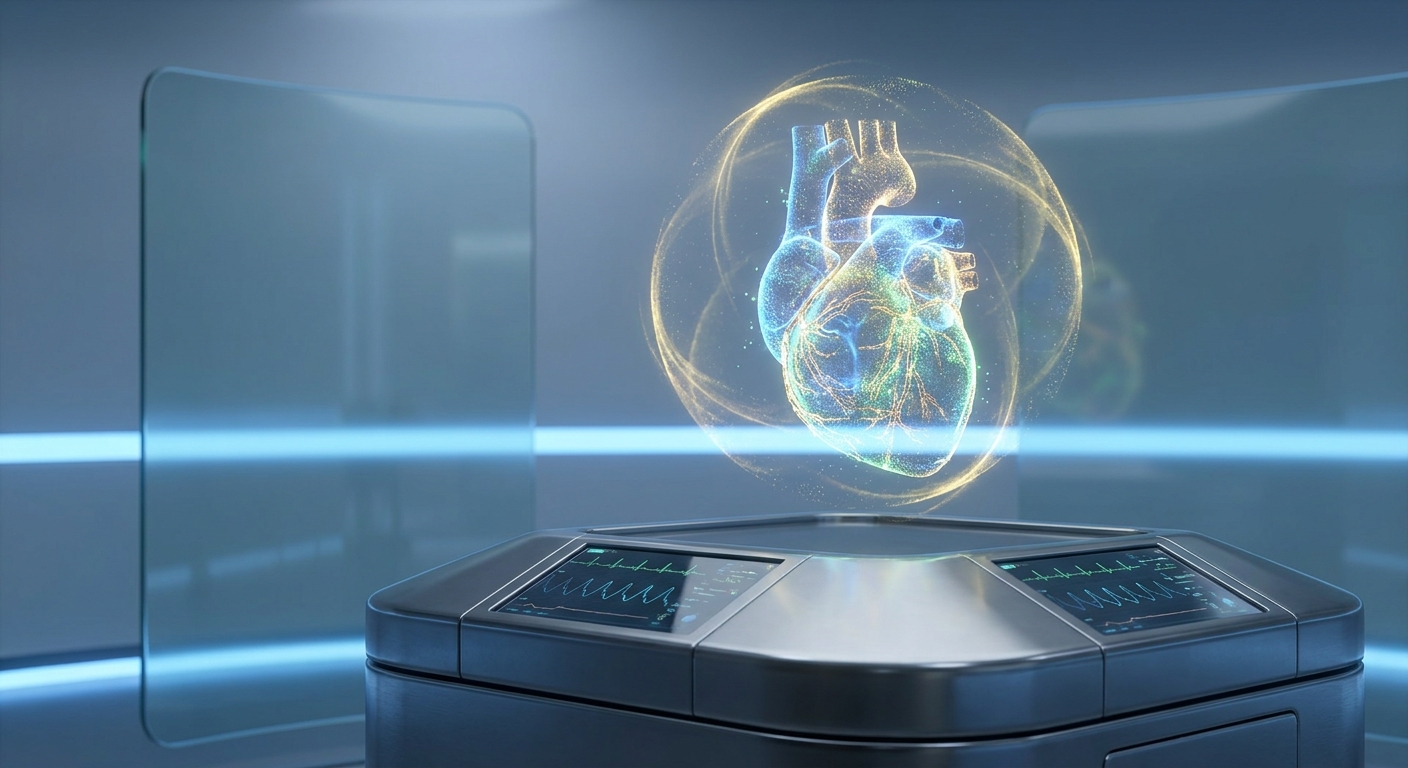
Fast forward to the modern state of heart rhythm management. We are now utilizing spectacular 3D cardiac mapping systems that look like something straight out of a high-budget sci-fi movie. Cardiologists can digitally map and pinpoint the exact millimeter of rogue tissue causing the problem. We also have advanced cryoablation techniques, which use extreme, targeted cold to instantly freeze the problematic tissue, offering an even safer alternative for certain delicate areas of the heart. The sheer precision is so high today that serious complications are incredibly rare. Patients routinely walk right out of the hospital the very next day, their normal life expectancy fully secured and their terrifying symptoms entirely gone forever.
The Deep Science Behind Fixing Your Heart
Understanding Cellular Electrophysiology
To really grasp how this seemingly small intervention easily adds decades to your life, you need to understand basic electrophysiology. Think of your beautiful, complex heart as a large house heavily wired with its own internal electrical system. The main generator is called the sinus node, which reliably sends a steady, perfectly timed electrical spark to make the heart muscle squeeze in rhythm. Sometimes, sneaky extra wires develop during our lifetime, or certain damaged areas of the heart start firing off their own rapid, random sparks. This chaotic electrical storm causes the heart muscle to quiver violently instead of pumping properly. Over time, a constantly quivering heart stretches out, physically weakens, and eventually begins to fail. Stopping that quiver is the absolute key to saving the organ.
How Strategic Scar Tissue Saves Your Life
The pure science behind the ultimate fix is actually beautifully simple and incredibly elegant. Electricity simply cannot travel through dead, scarred tissue. When an electrophysiologist performs this procedure, they are intentionally creating tiny, highly strategic scars inside the walls of the heart. These tiny scars act as permanent, impenetrable roadblocks for the chaotic electrical signals that try to run amok. By blocking the bad signals, the main generator can easily take over again.
Here are some hard, fascinating scientific facts about what actually happens inside your chest during and after the procedure:
- Targeted Cellular Necrosis: The precise application of heat (radiofrequency) or intense cold (cryotherapy) causes immediate targeted cellular necrosis, permanently disabling the faulty electrical pathways without harming the surrounding healthy muscle.
- Rapid Endothelialization: Within just a few short weeks, the heart’s slick inner lining completely heals over the ablated spots, creating a perfectly smooth, secure surface that naturally prevents dangerous blood clots from forming.
- Hemodynamic Stabilization: By instantly restoring a steady, regular rhythm, the heart’s stroke volume (the exact amount of blood pumped per single beat) completely normalizes, drastically improving vital oxygen delivery to the brain, kidneys, and liver.
- Ventricular Reverse Remodeling: A heart that was previously weakened and enlarged by months of chronic fast rates will literally shrink back down to its healthy, normal, compact size once the rhythm is fixed—a miraculous biological process known as reverse remodeling.
Your Ultimate 7-Day Post-Procedure Recovery Plan
If you want to absolutely maximize your longevity after leaving the hospital doors, the very first week of home recovery is absolutely critical. Do not rush this process. Here is a totally manageable, highly effective 7-day plan to keep you strictly safe, totally relaxed, and healing perfectly.
Day 1: The Ultimate Rest and Flush Day
You literally just had a catheter threaded into your beating heart. Your only job today is to stay in bed, keep your puncture leg perfectly straight to prevent any bleeding at the groin site, and let the medical staff wait on you hand and foot. Drink plenty of fresh water to actively flush the medical contrast dye completely out of your kidneys.
Day 2: The Gentle, Slow Homecoming
You will most likely be discharged to go home today. The absolute goal is zero physical or mental stress. Walk very slowly from the car directly to the couch. Do not lift anything heavier than a small cup of coffee. Your chest might feel a little unusually sore or bruised inside, which is totally normal as the tissue reacts to the treatment.
Day 3: Calmly Monitoring for Palpitations
Do not freak out if you suddenly feel a few random skipped beats today. The inner heart tissue is actively inflamed from the procedure, and these early blanking period arrhythmias are incredibly common. Just quietly track them in a small notebook, take your prescribed medications, and keep resting horizontally.
Day 4: Introducing Short, Slow Walks
It is finally time to get the blood moving gently to prevent deep vein clots, but keep it strictly indoors or on a perfectly flat street. A simple five-minute, slow-paced stroll around the living room every couple of hours is absolutely perfect. Listen to your body and sit down if you feel lightheaded.
Day 5: Diet Check and Deep Hydration
Focus entirely on heart-healthy, low-sodium foods today. Cellular healing requires massive amounts of good, clean nutrition. Avoid huge, heavy meals that can easily trigger severe indigestion, which sometimes directly mimics chest pain and causes totally unnecessary anxiety flare-ups.
Day 6: Mental Health and Anxiety Reset
Psychological anxiety about your heart rhythm suddenly returning can sharply spike right about now as you start feeling normal again. Take 15 dedicated minutes to do deep, slow, intentional breathing. Remind yourself constantly that the long-term clinical success rates are massively in your favor.
Day 7: Expanding Your Physical Horizon
You can finally start doing extremely light household chores, but absolutely no vigorous vacuuming, heavy lawn work, or lifting heavy boxes yet. Celebrate your first fully successful week of deep healing. Your heart is already getting fully accustomed to its brand-new, healthy, life-extending rhythm.
Separating Scary Myths from Clinical Reality
People love to share incredibly scary, poorly researched medical stories on the internet, so let’s firmly clear up the absolute nonsense right now.
Myth: The procedure permanently damages your whole heart and significantly shortens your life.
Reality: The exact opposite is completely true. The microscopic tiny scars created during the intervention actually save your whole heart muscle from fatal exhaustion, letting you live a perfectly normal, long life.
Myth: If the arrhythmia comes back a month later, the entire procedure was a total failure and you are doomed.
Reality: It is extremely common to need a minor touch-up procedure later on. A second mapping often easily catches the very last hiding rogue cells, resulting in a completely permanent fix the second time around.
Myth: You will definitely have to be on heavy blood thinners for the absolute rest of your natural life anyway, so why bother?
Reality: Many completely cured patients can safely stop taking strong blood thinners just a few months post-procedure, provided their doctor officially confirms the rhythm is perfectly stable and their stroke risk score is low.
Myth: Your heart will feel noticeably different, mechanical, or stiff after being burned inside.
Reality: You absolutely cannot feel the tiny internal scars inside your heart at all. Most people just feel significantly more energetic, totally relieved, and far less physically anxious.
Frequently Asked Questions & Final Thoughts
Is it completely normal to feel random skipped beats after the procedure?
Yes, massive local tissue inflammation directly causes temporary misfires during the first three months of healing.
How long does the actual hospital stay usually last?
Usually, it is just one simple overnight stay for standard telemetry observation and groin site checks.
Can I ever drink strong coffee again?
Eventually, yes, but always ask your specific doctor. Most cardiologists allow moderate caffeine once the heart is fully healed.
Will I absolutely need a permanent pacemaker later in life?
Very rarely. This intervention safely targets very specific rogue cells, not your heart’s main natural pacemaker node.
When can I safely start exercising normally again?
Usually after a week or two for very light cardio, but wait a full month for heavy, intense weightlifting.
Does this provide a complete cure for AFib forever?
It offers a robust, long-term cure for many patients, though some specific individuals might need a second minor procedure years later.
Can this specific catheter intervention directly cause a massive heart attack?
The statistical risk is incredibly low. It is a highly localized electrical rhythm treatment, not a procedure that blocks your major coronary arteries.
Getting your irregular heartbeat completely fixed isn’t just about stopping annoying daily palpitations; it is fundamentally about reclaiming your entire future. By tackling the dangerous electrical chaos head-on, you are actively protecting your delicate heart muscle, dramatically slashing your massive stroke risk, and perfectly setting yourself up for many happy decades of active, vibrant living. If you are totally tired of living in constant, daily fear of your own racing pulse, make sure to talk to a certified electrophysiologist today and take the very first step toward a much longer, healthier life!



Leave a Reply