

MiraLAX vs Metamucil: Navigating Digestive Health Options
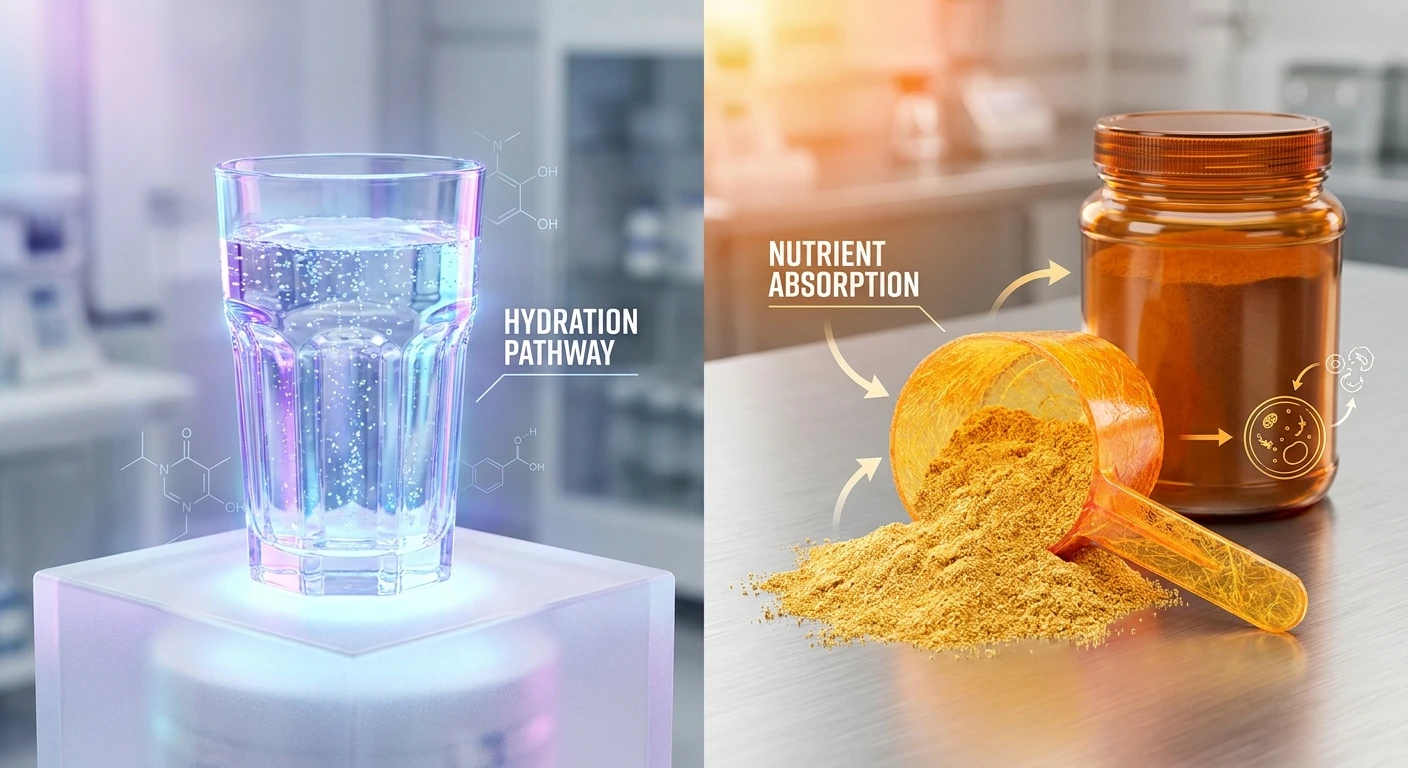
When you are standing in the pharmacy aisle comparing MiraLAX vs Metamucil, the sheer number of options for digestive relief can feel absolutely overwhelming. Let’s clear the confusion right now. Both of these over-the-counter powerhouses are explicitly designed to get your digestive system moving again, but they achieve that physiological goal through completely different biological mechanisms. MiraLAX is primarily an osmotic laxative that pulls surrounding water into your colon to soften stools, whereas Metamucil acts as a bulk-forming fiber supplement made from psyllium husk that adds dense substance and sweeps through your intestines like a gentle sponge. Understanding exactly how each specific product interacts with your body is critical for finding the exact right relief without triggering unwanted side effects like bloating, cramping, or sudden urgency. Whether you deal with occasional irregularity due to travel, chronic constipation stemming from medication, or simply want to proactively improve your daily gut health, picking the right formula dictates how quickly and comfortably your system recovers. This comprehensive guide breaks down the science, the exact applications, and the strategic protocols for using both products effectively. By grasping the distinct physiological differences between these two common remedies, you can stop guessing in the pharmacy aisle and start actively supporting your digestive tract with surgical precision. Let’s look at exactly what sets these two treatments apart, how their active ingredients function, and how to definitively choose the right one for your specific gastrointestinal symptoms.
Comparing these two highly popular digestive aids requires a thorough understanding of their primary benefits, targeted use cases, and potential physiological drawbacks. MiraLAX is exceptionally effective for people suffering from stubborn, acute constipation because it acts as a highly efficient hydrating agent for your bowels, physically changing the consistency of the blockage. Metamucil, conversely, serves a much broader, long-term purpose by regulating daily bowel movements, naturally lowering serum cholesterol, and even assisting in managing blood sugar spikes thanks to its rich soluble fiber content.
Read also: Do Chia Seeds Make You Poop? The Final Verdict; Best Time to Drink Chia Seeds for Weight Loss.
| Feature Category | MiraLAX (Polyethylene Glycol) | Metamucil (Psyllium Husk) |
|---|---|---|
| Active Ingredient | Polyethylene glycol 3350 (PEG 3350) | Psyllium husk (Plantago ovata seeds) |
| Primary Biological Mechanism | Osmotic action (draws existing water directly into the colon) | Bulk-forming action (adds soluble fiber to create gel-like mass) |
| Recommended Timeline of Use | Short-term, acute relief (typically recommended up to 7 days) | Long-term, daily nutritional dietary supplement |
| Effect on Blood Sugar & Cholesterol | None. It remains completely inert in the digestive tract. | Positive. Soluble fiber binds to cholesterol and slows digestion. |
Let’s examine a couple of highly practical, real-world examples to clarify their distinct roles. If you are experiencing sharp, acute constipation due to a sudden shift in time zones, heavy travel, or a short-term prescription medication, taking MiraLAX will deliver predictable, gentle, and highly targeted relief, usually within a window of one to three days. Your body needs a flush, and the osmotic action provides exactly that. On the other hand, if your goal is to utilize a daily supplement to maintain seamless regularity, support your microbiome, and boost long-term cardiovascular health, consistently stirring a spoonful of Metamucil into your morning water glass makes significantly more sense as a lifestyle habit.
To determine the absolute best approach for your specific gut ecosystem, ask yourself these crucial questions:
- Are you actively looking for immediate relief from an uncomfortable, active bout of constipation, or are you trying to build a foundation for long-term bowel regularity?
- Does your current daily dietary intake severely lack sufficient natural soluble fiber from whole food sources like fruits, vegetables, legumes, and whole grains?
- Do you suffer from any underlying chronic medical conditions, such as specific variants of irritable bowel syndrome (IBS) or advanced kidney issues, that might strictly dictate utilizing a specific type of gastrointestinal therapy?
- How well do you currently hydrate throughout the day, given that both treatments absolutely require substantial water intake to function correctly without causing further blockages?
Answering these detailed questions clarifies whether your body immediately needs the water-pulling mechanical power of an osmotic laxative or the slow, sweeping, structural bulking action of a pure fiber supplement.
The Ancient Origins of Psyllium Husk Supplements
The story of Metamucil and its active ingredient traces its deep roots far back to 1934 when an innovative physician named G.D. Searle officially formulated and patented a commercial psyllium husk powder. However, the raw ingredient, psyllium itself, naturally comes from the husks of the seeds of the Plantago ovata plant. This resilient plant has been heavily utilized in traditional Ayurvedic medicine in India for many centuries. Early eastern medical practitioners astutely recognized that the unique mucilage found naturally in these tiny seeds absorbed ambient water at a rapid pace. This created a thick, soothing, gel-like substance that effectively eased severe digestive distress and diarrhea. Searle’s brilliant formulation simply modernized and stabilized this ancient, highly effective remedy. By adding slight flavoring and milling the husk to a fine consistency, he made it highly palatable and extremely easy to dose for the general public. This single pharmaceutical advancement effectively launched the modern dietary fiber supplement industry as we know it today, shifting the paradigm toward preventative gut health.
The Complex Evolution of Osmotic Laxatives
The development of MiraLAX represents a much newer, heavily engineered chapter in the history of gastrointestinal pharmacology. The active synthetic ingredient, polyethylene glycol 3350 (commonly referred to in medical literature as PEG 3350), was originally synthesized and developed for use in various complex industrial, biochemical, and medical applications. Scientists highly valued its completely unique ability to aggressively bind with water molecules without undergoing chemical degradation. By the late 1990s, sharp medical researchers successfully identified that administering lower, carefully regulated doses of PEG 3350 orally provided exceptional, safe relief for chronic constipation. Crucially, it did so without triggering the harsh, painful abdominal cramping heavily associated with older, traditional stimulant laxatives like senna or bisacodyl. The United States Food and Drug Administration officially approved MiraLAX as a highly regulated prescription medication in 1999, an event that fundamentally changed how gastroenterologists approached and treated chronic, stubborn constipation in clinical settings.
The Modern State of Advanced Gut Health Treatments
Fast forward to today’s modern pharmaceutical landscape, and both of these specialized treatments occupy massive, prominent spaces on pharmacy shelves globally. Their general availability and public acceptance have expanded drastically over the past two decades. In the pivotal year of 2006, MiraLAX successfully transitioned from a heavily guarded prescription-only medication to an easily accessible over-the-counter remedy, making it instantly available to millions of suffering patients. Meanwhile, Metamucil has aggressively expanded its commercial product line to include convenient travel capsules, chewable gummies, and artificially sweetened sugar-free formulations to cater to diabetic consumers. Modern preventative gastroenterology now heavily emphasizes a highly customized, patient-centric approach to gut health. Medical professionals often recommend a balanced, tiered combination of holistic dietary adjustments, daily bulk-forming agents like psyllium, and highly targeted osmotic relief exactly when lifestyle modifications inevitably fall short.
The Exact Biological Mechanism of Polyethylene Glycol
When you consume a dissolved dose of MiraLAX, the active polymer, polyethylene glycol 3350, travels smoothly down your esophagus, through your stomach, and directly into your intestines completely intact. It is never absorbed into your bloodstream. It acts purely locally within the confined space of the gastrointestinal tract. PEG 3350 is structurally a very large, biologically inert polymer molecule that binds exceptionally tightly to free water molecules. By stubbornly holding onto this water as it travels, it dramatically increases the overall fluid volume inside the intestinal lumen. This excess moisture heavily softens the impacted, hardened stool and gently stimulates the natural, rhythmic peristaltic movement of the bowel walls. Because the polymer relies entirely on physical hydration mechanics rather than harsh chemical nerve stimulation, it completely bypasses the severe, painful cramps and sudden, uncontrollable urges that older, stimulant-based laxatives notoriously caused in patients. It simply rehydrates the system to allow natural bodily functions to resume.
How Psyllium Husk Biomechanically Transforms in the Gut
Metamucil operates on a radically different biomechanical principle entirely. The finely milled psyllium husk is densely packed with highly viscous, readily soluble fiber. When this powdered fiber is actively mixed with water or stomach acid, it rapidly swells up to nearly fifty times its original dry size, physically forming a thick, dense, gelatinous mass within the upper digestive tract. As this bulky mass slowly moves through the convoluted pathways of the intestines, it acts like a soft internal broom. It traps lingering waste particles, dead cellular matter, and excess bile acids, which the body then safely packages and excretes.
Here are the core scientific facts detailing exactly how these treatments physiologically impact the human body:
- Polyethylene glycol 3350 is entirely biologically inert, meaning your digestive enzymes cannot break it down, your body does not metabolize it, and you extract absolutely zero calories from it.
- Psyllium husk naturally ferments at a very slow, highly controlled rate in the colon, which significantly helps reduce the sudden excess gas production and painful bloating often seen with other rapid-fermenting dietary fibers like inulin or chicory root.
- Osmotic laxatives absolutely require adequate systemic hydration to work efficiently; if you are heavily dehydrated, pulling residual water into the colon becomes a massive physiological strain for the body.
- The soluble fiber in psyllium actively binds to cholesterol-rich bile acids roaming in the digestive tract, forcibly pulling them out of the body. This action forces the liver to physically pull existing cholesterol directly from the bloodstream to produce more bile, thereby measurably lowering overall serum cholesterol levels.
- Neither compound crosses the blood-brain barrier, ensuring zero central nervous system interference during the digestive treatment process.
Day 1: Assessing the Blockage and Initiating Hydration
Begin your protocol by honestly evaluating your specific level of gastrointestinal discomfort. If you have not had a successful bowel movement in several days and feel physically heavy, take a standard, precise 17-gram dose of MiraLAX. Dissolve the powder completely in eight solid ounces of room-temperature water or light juice. Drink it slowly but entirely. Focus the rest of your day on drinking plain water.
Day 2: Waiting for the Critical Osmotic Effect
MiraLAX is not a magic, instant-acting bullet; it typically takes anywhere from 24 to 72 hours to physically produce a bowel movement. Drink an absolute minimum of two full liters of water throughout the course of the day to ensure the polyethylene glycol polymer has enough available fluid to actively draw into your dry colon. Keep your meals light and easy to digest.
Day 3: Achieving Initial Gastrointestinal Relief
By the middle of the third day, the persistent osmotic action usually results in a very soft, completely painless, and easy-to-pass stool. Once the primary, stubborn blockage is successfully cleared from your lower tract, you must immediately discontinue the MiraLAX dosage to prevent the onset of overly loose stools or minor dehydration.
Day 4: Carefully Introducing Soluble Fiber
Now that your internal system is successfully cleared and reset, it is time to introduce a half-dose of Metamucil (approximately one leveled teaspoon) into your morning routine. Starting with a deliberately smaller dose physically prevents initial gas and bloating as your sensitive gut microbiome slowly adjusts to the new influx of complex carbohydrates.
Day 5: Monitoring Digestion and Hydration Levels
Pay close, analytical attention to exactly how your stomach and lower abdomen feel. The psyllium husk should actively start forming bulkier, well-formed, and highly satisfying stools. Continue drinking plenty of water, as introducing dense fiber without adequate fluid intake can actually reverse your progress and trigger a brand new constipation episode.
Day 6: Stepping Up the Maintenance Dosage
If you feel comfortable and bloat-free, boldly increase your daily Metamucil intake to a full, standard recommended dose (usually one fully rounded tablespoon). Stir it briskly into eight to ten ounces of cool water and drink it immediately before the mucilage visibly turns into a thick, unpalatable gel in the glass.
Day 7: Establishing the New Daily Routine
Thoroughly evaluate your overall week of progress. You should now be experiencing highly regular, perfectly predictable, and strain-free bowel movements. Maintain this exact daily psyllium routine to aggressively support ongoing, long-term gut health, strictly keeping the MiraLAX bottle pushed to the back of your medicine cabinet for rare, acute emergencies only.
There is an overwhelming amount of persistent misinformation and locker-room advice surrounding these common digestive aids. Let’s aggressively clear up the confusion and state the medical facts.
Myth: You can easily become physically addicted to MiraLAX if you use it for more than a few days, destroying your natural bowel function.
Reality: MiraLAX is absolutely not a stimulant laxative like senna. It does not artificially force muscle contractions, meaning it does not cause your smooth bowel muscles to become lazy, atrophied, or chemically dependent on it to function properly.
Myth: Metamucil works instantly to cure severe constipation and immediately clear out blockages.
Reality: Psyllium husk is primarily a preventative maintenance tool. It slowly adds structural bulk to stools over time but will not provide instant, same-day relief for acute constipation and can sometimes violently worsen a severe, impacted blockage if taken without enough water.
Myth: Both of these products belong in the exact same medicinal category because they treat the stomach.
Reality: While both heavily aid overall digestion, one is a targeted osmotic laxative designed for short-term, acute clearing, and the other is a daily dietary fiber supplement used for comprehensive gastrointestinal sweeping and long-term cardiovascular health maintenance.
Myth: You can blindly mix both powders together in one glass for incredibly fast, supercharged results.
Reality: Combining an aggressive osmotic laxative with a dense bulk-forming agent without direct medical supervision can easily cause severe bloating, massive gas cramps, and dangerous systemic dehydration.
Is it truly safe to take MiraLAX every single day?
It is generally recommended by pharmacists for short-term use only (typically up to seven consecutive days) unless you are explicitly supervised by a licensed gastroenterologist treating a chronic condition.
Does daily Metamucil actively help with sustainable weight loss?
The dense soluble fiber physically expands in your stomach, promoting a lasting feeling of physical fullness and satiety which can massively help control your appetite and reduce daily caloric intake.
Can I safely take these specific products on an entirely empty stomach?
Yes, both can be taken empty, but Metamucil is often best utilized when taken directly with or immediately before meals to help effectively control post-meal blood sugar spikes and bind to dietary cholesterol.
Do these supplements heavily interact with other daily prescription medications?
Yes, thick fiber can severely delay the bodily absorption of some critical oral drugs, so always remember to take important medications at least two full hours before or after consuming your Metamucil dose.
Are there fully sugar-free options available for diabetic patients?
MiraLAX is naturally and completely sugar-free, containing only the raw polymer, while Metamucil offers highly specific, artificially sweetened sugar-free formulations tailored directly for those managing diabetes.
Which exact product is scientifically better for Irritable Bowel Syndrome (IBS)?
This highly depends on your specific IBS sub-type; however, soluble fiber (Metamucil) is heavily recommended for IBS-C and IBS-D for stabilization, but always consult your primary doctor first.
Can young children safely use these adult digestive products?
Both compounds absolutely have legitimate pediatric applications and are used in hospitals, but you must strictly follow a licensed pediatrician’s highly specific weight-based dosing instructions to prevent dehydration.
What actually happens if I don’t drink enough water while taking them?
MiraLAX simply won’t work effectively without free water to pull, and taking Metamucil dry can actually cause terrifying intestinal blockages and severe choking hazards.
Whether you urgently require the deep, hydrating power of an osmotic laxative or the daily, sweeping action of natural soluble fiber, understanding your specific internal symptoms is the very first step toward lasting relief. Evaluate your personal gut health today, boldly choose the correct, scientifically backed product, and permanently reclaim your total digestive comfort!





Leave a Reply